
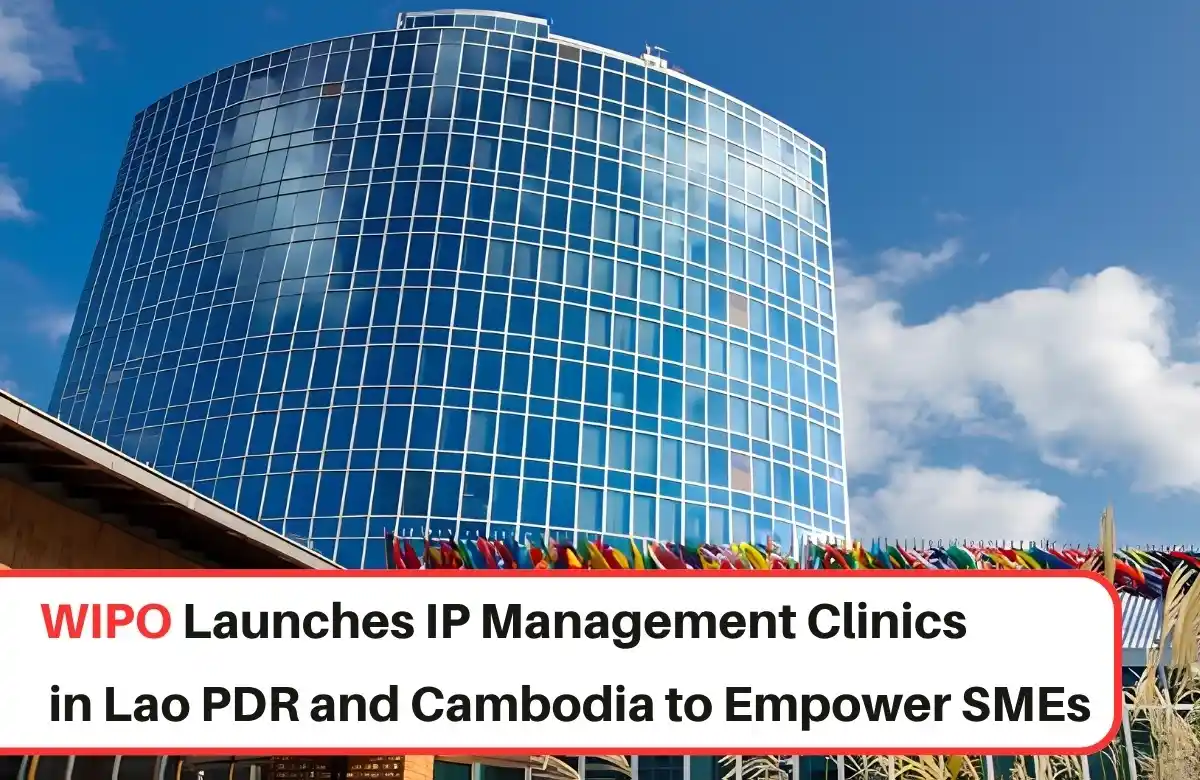
All small and medium-sized enterprises (SMEs) in Southeast Asia are advised to prioritize the formal protection of their intellectual property. The WIPO launches IP Clinics in Lao PDR and Cambodia to address a specific legal vulnerability: the lack of enforceable rights for unregistered assets. Relying on product quality is no longer a viable legal defense. You must implement a formal strategy to secure your inventions and brand identifiers. These clinics provide the direct technical guidance required to protect your business under both local and international laws.
Navigating the Essential Legal Framework for Intellectual Property Protection in Southeast Asia
The legal issue is immediate. If you do not register your assets, you possess no statutory grounds to stop others from using them. In the Lao PDR and Cambodia, intellectual property rights are strictly territorial. This means a trademark registered in a neighboring jurisdiction does not protect within these specific borders. Furthermore, most countries in this region operate under a “first-to-file” system. This rule grants legal ownership to the entity that files the paperwork first, regardless of who created or used the brand name first.
You must register your patents and trademarks locally to gain the standing required to pursue an infringement claim. But registration is only the first step. The legal framework also expects you to monitor the market for unauthorized use. We recommend establishing a clear protocol for identifying potential violations. Without a firm understanding of this legal framework, your business remains vulnerable to external threats that can devalue your brand reputation.
Read More: Delhi High Court Rules Against Ilaiyaraaja in ‘En Iniya Pon Nilave’ Copyright Case
Strategies for Implementing a Comprehensive Intellectual Property Plan for Sustainable Business Growth
We require you to begin with a thorough audit of your current commercial assets to determine what is actually protectable. The WIPO clinics offer the technical expertise needed to categorize these assets into legal groups, such as patents for technical inventions or industrial designs for aesthetic features. An effective strategy must include a rigorous documentation process. You must create a paper trail at every stage of development to establish ownership and defeat prior art claims.
Your strategy must also address your internal team and external contractors. You must ensure that all employment contracts and vendor agreements include specific clauses that assign all intellectual property rights to your company. If these contracts are missing, the legal rights to your products likely remain with the individual creator. By following these professional steps, you build a strategy that prevents internal ownership conflicts and supports long-term growth.
Identifying and Managing Statutory Liability and Potential Legal Risks for Small Enterprises
Poor management of your intellectual assets creates significant statutory liability. Many small enterprises face severe legal risks because they fail to perform due diligence before launching a new product. If you accidentally use a trademark that is already registered by another party, you face the risk of expensive litigation and court-ordered injunctions. These legal risks can result in the total seizure of your inventory or a forced rebranding process that can destroy a growing company.
To manage these risks, we recommend that you conduct a “freedom to operate” search within national registries. This search identifies whether your proposed product or brand name conflicts with existing statutory rights held by other entities. Identifying these conflicts early allows you to change your branding before you invest capital in marketing. Reducing your legal risks ensures that your capital is spent on expansion rather than on settling infringement claims.
Read More: Dupe Culture and Trademark Law: When Does Copying Become Infringement?
Utilizing International Intellectual Property Registration Systems to Access Global Markets
Your domestic registration does not protect you once your goods cross an international border. If you intend to export, your strategy must align with international registration systems like the Madrid System for marks or the Patent Cooperation Treaty (PCT) for inventions. These systems allow you to seek protection in over 120 countries through a single, streamlined application. They are the most cost-effective way to protect your work as you scale.
But you must act quickly. International systems often have strict deadlines based on your initial filing date. Without these protections, your products can be legally copied in foreign markets. By securing your rights through these established systems, you maintain the exclusive right to sell and distribute your products globally. This access is essential for any small business looking to transition into an international competitor while remaining legally sound.
The Role of Intellectual Property Management Clinics in Strengthening Local and Regional Economies
The introduction of these clinics is a vital step in strengthening the local economies of Lao PDR and Cambodia. When you secure your intellectual property, you create a tangible legal asset that adds real value to your balance sheet. These assets can be used as collateral for business loans or to attract private equity investment. Professional clinics provide the specialized knowledge that allows you to compete on a level playing field with global corporations.
Investors prioritize markets where intellectual property rights are respected and legally enforceable. By following professional management practices, you help position Lao PDR and Cambodia as reliable hubs for trade. This program ensures that the wealth generated by local inventors stays within the local economy. And as more businesses participate, the region builds a foundation for sustainable financial success.
Read More: Delhi High Court Rules Against Ilaiyaraaja in ‘En Iniya Pon Nilave’ Copyright Case