
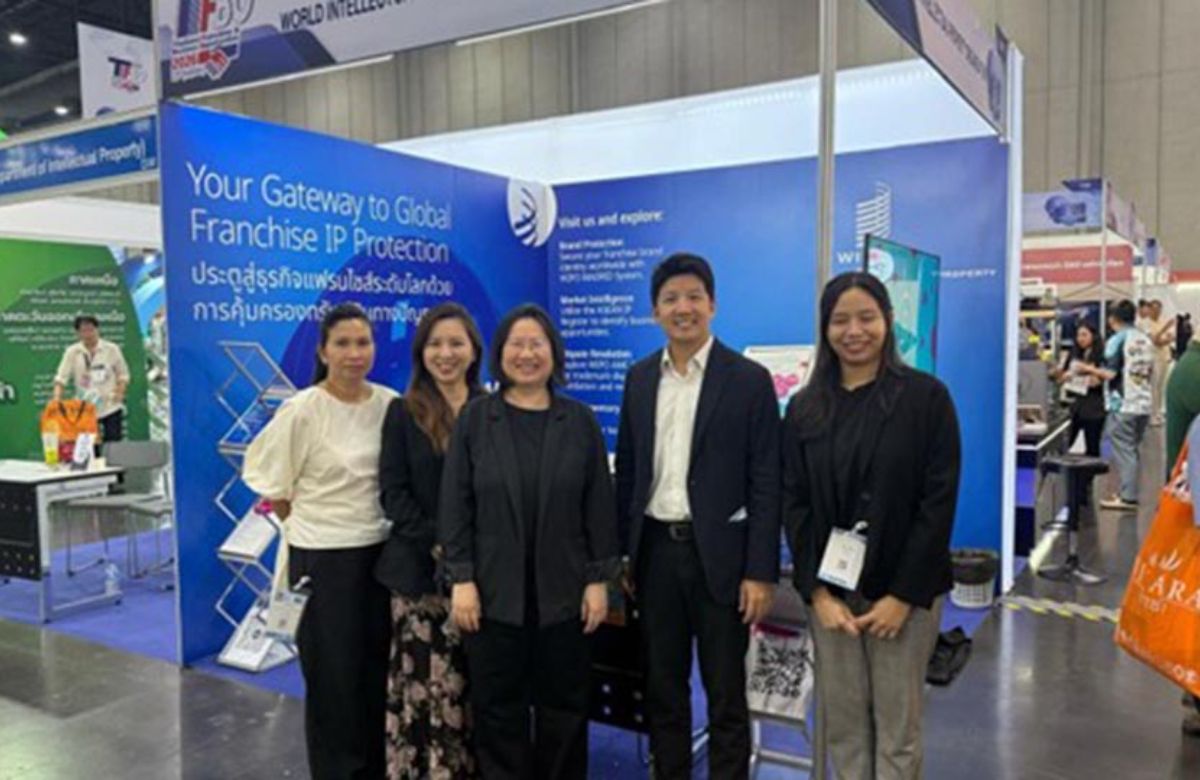
The Thailand Franchise Business Opportunity Expo, or TFBO 2026, highlighted exactly how intellectual property protection drives commercial growth. At the event, the World Intellectual Property Organization (WIPO) Singapore Office made one point clear: you must secure your brand assets before entering new markets. Without proper WIPO trademark registration, scaling your business cross-border invites severe legal exposure. Why risk unauthorized third-party exploitation? For expanding enterprises, aligning with WIPO TFBO 2026 practices is non-negotiable for statutory asset protection. Intellectual property rights form the absolute legal foundation of a franchise. If you intend to scale across borders, early filing must be your top operational priority.
Understanding the Legal Importance of WIPO Trademark Registration for International Franchisors
Franchising relies on replicating a protected business model. This model is legally bound to your brand identity, logos, and trade dress. But here is the catch: your domestic trademark registrations carry no legal weight in foreign jurisdictions. Because intellectual property rights are strictly territorial, you must secure statutory protection in every single target country.
That’s where WIPO trademark registration changes the landscape. By utilizing the Madrid System, which is administered by WIPO, an applicant files just one centralized international application. This single filing extends your claim to over 130 countries simultaneously. It blocks bad-faith actors from registering identical or confusingly similar marks in your expansion markets. But what happens if you delay? Local competitors can legally hijack your brand name, strip you of your priority rights, and completely block your market entry.
Read More: Philippines Launches First Creative Ecosystem National Diagnostic Report with WIPO
How the WIPO TFBO 2026 Initiative Supports the Global Expansion of Local Brands?
International trade laws are notoriously complex. Fortunately, the legal frameworks presented during the WIPO TFBO 2026 sessions offer clear, structured solutions to mitigate risk. By utilizing these established global systems, we see regional brands scale into international networks with minimal legal friction.
At the expo, legal experts emphasized that a registered trademark is a core corporate asset. It is the legal instrument that allows you to execute enforceable franchise agreements abroad. This structural control ensures your foreign franchisees maintain strict quality standards. To help you manage this process, the event highlighted several vital digital tools and resources:
- The ASEAN IP Register: A regional digital platform to run clearance searches and verify your freedom to operate in Southeast Asia.
- The Madrid System: A centralized filing structure that cuts administrative costs and establishes a single renewal date for your entire international portfolio.
- On-Site Advisory Services: Direct consultations with registry officials to clarify specific national filing requirements and legal procedures.
Key Takeaways from TFBO 2026 Regarding Strategic Brand Protection and Risk Mitigation
If TFBO 2026 proved anything, it’s that trademark protection isn’t an afterthought. It is a core commercial strategy. Regulatory officials at the event noted that a trademark functions as the legal backbone of your entire network. If you do not protect that asset locally, your expansion cannot legally survive.
Think about corporate restructuring or rebranding. When you modify your corporate identity, you must immediately file corresponding updates to your international registrations. True risk mitigation requires proactive clearance searches before entering any new territory. By integrating international filing protocols directly into your early business planning, you avoid costly infringement litigation, prevent forced rebranding, and protect your licensing revenue from day one.
Read More: Caleb Williams’ Attempt to Trademark ‘Iceman’ Nickname Refused by USPTO