
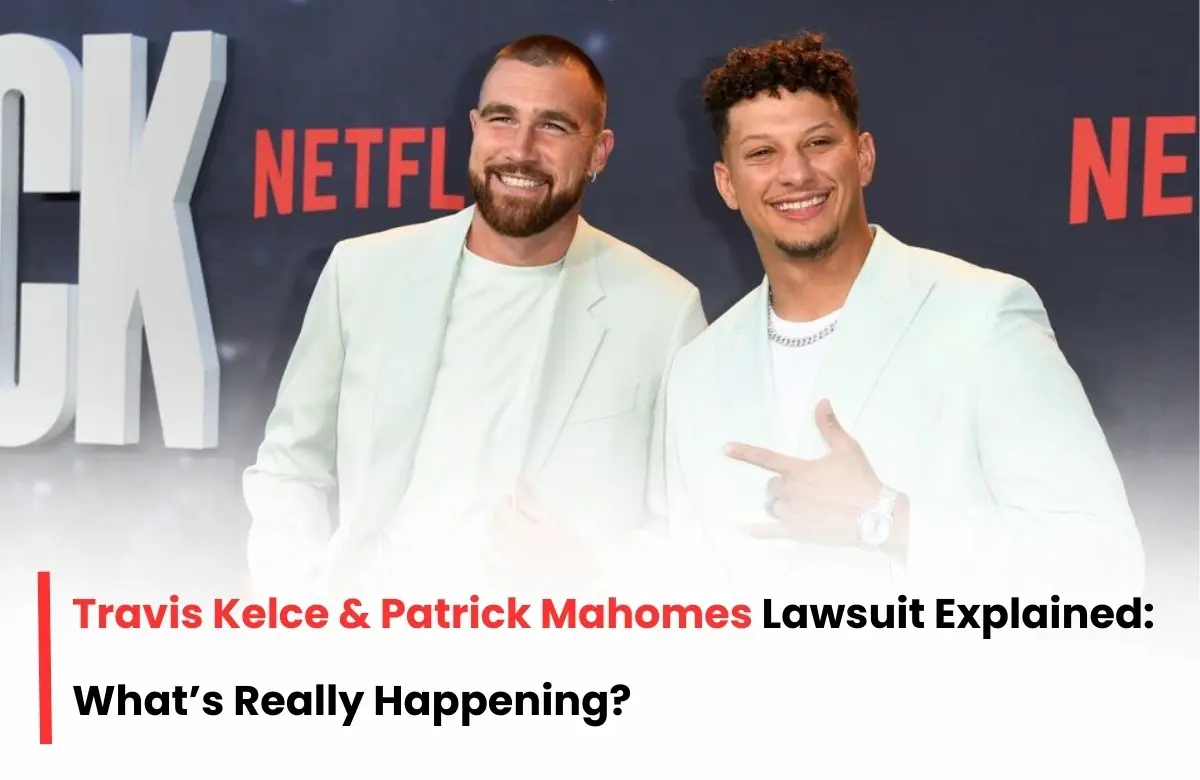
Kansas City Chiefs stars Patrick Mahomes and Travis Kelce are usually in the headlines for their championship rings and record-breaking plays. However, a recent legal development has shifted the focus from the football field to the courtroom. A legal dispute involving a trademark infringement claim has emerged, placing the duo at the center of a complex intellectual property battle. Understanding the Travis Kelce and Patrick Mahomes lawsuit requires a look at the intersection of celebrity branding and the legal protections afforded by federal law.
The Foundation of the Travis Kelce and Patrick Mahomes Lawsuit
The lawsuit centers on the use of specific branding elements that a third party claims ownership over. At the heart of most IP Litigation is the question of who holds the exclusive right to use a name, logo, or slogan in commerce. In this instance, the plaintiffs allege that the business ventures associated with the athletes have utilized branding that is confusingly similar to their own registered marks.
When a person or entity applies for Trademark Registration, they are seeking a legal shield that prevents others from using their intellectual property in a way that might cause consumer confusion. The plaintiffs in this case argue that they took the necessary steps to secure these rights long before the athletes began their specific commercial projects. Consequently, the lawsuit seeks to address what they characterize as a clear case of unauthorized use.
Read Also: Big Announcement by USPTO: Utah Selected as Location for New Community Engagement Office
Understanding Trademark Infringement
To understand the Travis Kelce and Patrick Mahomes lawsuit, one must understand the basic principles of Trademark Infringement. In the eyes of the law, infringement occurs when a party uses a mark that is identical or very similar to a registered trademark for related goods or services. The primary goal of these laws is to protect the public from being misled about the source of a product.
In the context of the Travis Kelce and Patrick Mahomes trademark infringement allegations, the court will likely examine whether an average consumer would mistakenly believe that the athletes’ products are endorsed by or affiliated with the plaintiff’s brand. This “likelihood of confusion” is the standard metric used in Trademark and Patent Litigation to determine liability. If the court finds that the branding is too similar, the defendants could be ordered to cease using the marks and potentially pay significant damages.
The Role of Trademark Registration in Travis Kelce and Patrick Mahomes Lawsuit
A critical component of this legal battle is the timeline of Trademark Registration. In the United States, rights are often granted to the party that can prove “priority,” or who used the mark in commerce first. However, having a formal registration with the United States Patent and Trademark Office (USPTO) provides a higher level of protection and serves as public notice of ownership.
The plaintiffs in the Travis Kelce and Patrick Mahomes lawsuit assert that their prior registration should have prevented the athletes from launching their similar branding. This highlights why business owners and celebrities alike must conduct thorough searches before launching a new brand. Even if the Travis Kelce Patrick Mahomes trademark infringement was unintentional, the law often holds the infringing party responsible regardless of their intent.
Read More: WIPO Japan Office Organizes Special IP Dialogue with Sumitomo Chemical President
Potential Outcomes and Legal Implications
As this case moves through the federal court system, several outcomes are possible. Often, high-profile IP Litigation ends in a private settlement where the parties agree on a licensing fee or a rebranding strategy. If the case proceeds to trial, the court will scrutinize the “strength” of the plaintiff’s mark and the similarity of the marketing channels used by both parties.
For the average observer, this case serves as a reminder that intellectual property laws apply to everyone, regardless of their fame or status. The Travis Kelce and Patrick Mahomes trademark infringement claims underscore the necessity of respecting Trademark Registration and performing due diligence in the business world.
Conclusion
The Travis Kelce and Patrick Mahomes lawsuit is more than just a celebrity news story. It is a significant example of how Trademark Infringement laws function in the modern economy. By defending their marks, the plaintiffs are utilizing the standard tools of IP Litigation to protect their commercial identity. As the legal process unfolds, the sports world and the legal community will be watching closely to see how the court balances the rights of established trademark holders against the branding power of global superstars. This case reinforces the idea that in the realm of commerce, a properly secured Trademark Registration is a vital asset that must be respected by all parties.