
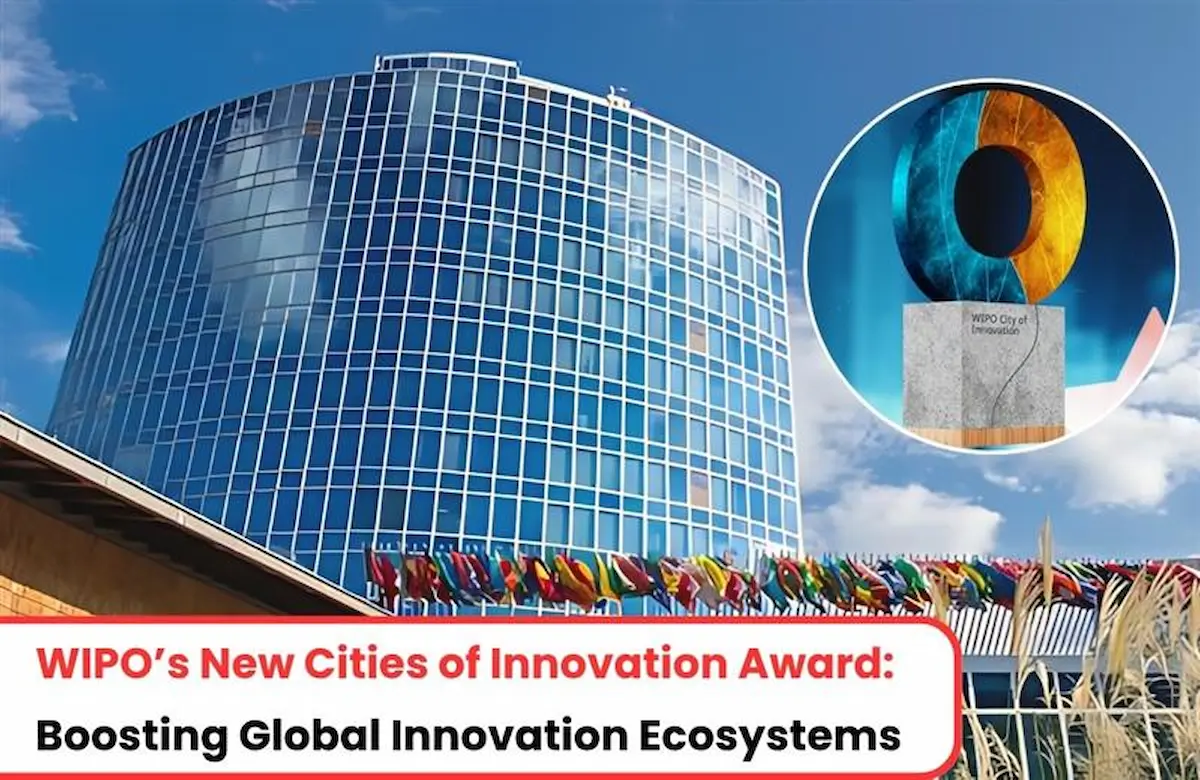
The landscape of international intellectual property is undergoing a significant transformation as the World Intellectual Property Organization (WIPO) continues to broaden its recognition of excellence. In a strategic move to foster urban development through creative and technological advancements, WIPO has introduced a specialized focus on municipal excellence. The WIPO City of Innovation Award Program represents a new frontier for urban centers that prioritize the integration of intellectual property rights into their economic and social frameworks. This initiative aims to highlight how metropolitan areas can serve as the primary engines for global progress by effectively managing and promoting native creative assets.
Understanding the Core Objectives of the WIPO City of Innovation Award Program
The fundamental purpose of the WIPO City of Innovation Award Program is to identify and celebrate urban environments that have successfully created a robust ecosystem for creators and inventors. By evaluating cities based on their ability to facilitate commercial growth through legal frameworks, WIPO seeks to establish a global benchmark for urban innovation. This program is not merely a recognition of technological output but rather a comprehensive assessment of how a city utilizes the WIPO City of Innovation Award Program to attract investment and talent. Central to this evaluation is the implementation of effective IP protection protocols that ensure local businesses can scale their operations without the fear of unauthorized exploitation. By securing the legal rights of its citizens, a city can effectively transform from a simple residential hub into a global leader in the knowledge economy.
Read Also: Bombay High Court Grants Interim Injunction to JSW Steel in Trademark Suit
The Critical Role of IP Protection in Modern Urban Ecosystems
A primary criterion for any candidate under the WIPO City of Innovation Award Program is the demonstrable strength of its local intellectual property infrastructure. For a city to thrive in the modern era, it must offer more than just physical infrastructure; it must provide a secure legal environment where ideas are treated as valuable assets. Consistent and reliable IP protection acts as a catalyst for both domestic and foreign direct investment. When a municipality prioritizes Trademark and Patent protection, it signals to the global market that it is a safe harbor for high-value research and development. This legal certainty is what differentiates a standard urban center from a true “City of Innovation” under the new WIPO guidelines.
Evaluating the Socioeconomic Impact of the WIPO City of Innovation Award Program
The introduction of the WIPO City of Innovation Award Program serves as a bridge between high-level international policy and localized economic development. Beyond the prestige of the accolade, the WIPO City of Innovation Award Program offers winners a platform to showcase their unique cultural and technological contributions to a global audience. This visibility is crucial for emerging cities looking to compete with established global hubs. Furthermore, the program emphasizes the importance of sustainable development goals, urging cities to use their intellectual assets to solve pressing social challenges. Through this lens, the award becomes a tool for holistic growth, ensuring that innovation leads to tangible improvements in the quality of life for all urban residents.
Read Also: Luke Littler Applies to Trademark His Face to Combat AI Deepfakes
Navigating the application and selection process for global municipalities
Municipalities interested in the WIPO City of Innovation Award Program must undergo a rigorous selection process that examines their legislative and promotional efforts regarding intellectual property. The international jury looks for evidence of strategic planning that incorporates IP protection as a cornerstone of city policy. To be successful, a city must prove that it has not only the vision but also the practical mechanisms to support its innovative community. This includes the presence of IP clinics, support for small enterprises, and public awareness campaigns that demystify the complexities of legal filings. As cities prepare their submissions, the focus remains on demonstrating a clear and sustainable path toward a future where creativity is protected, valued, and rewarded on a global scale.