
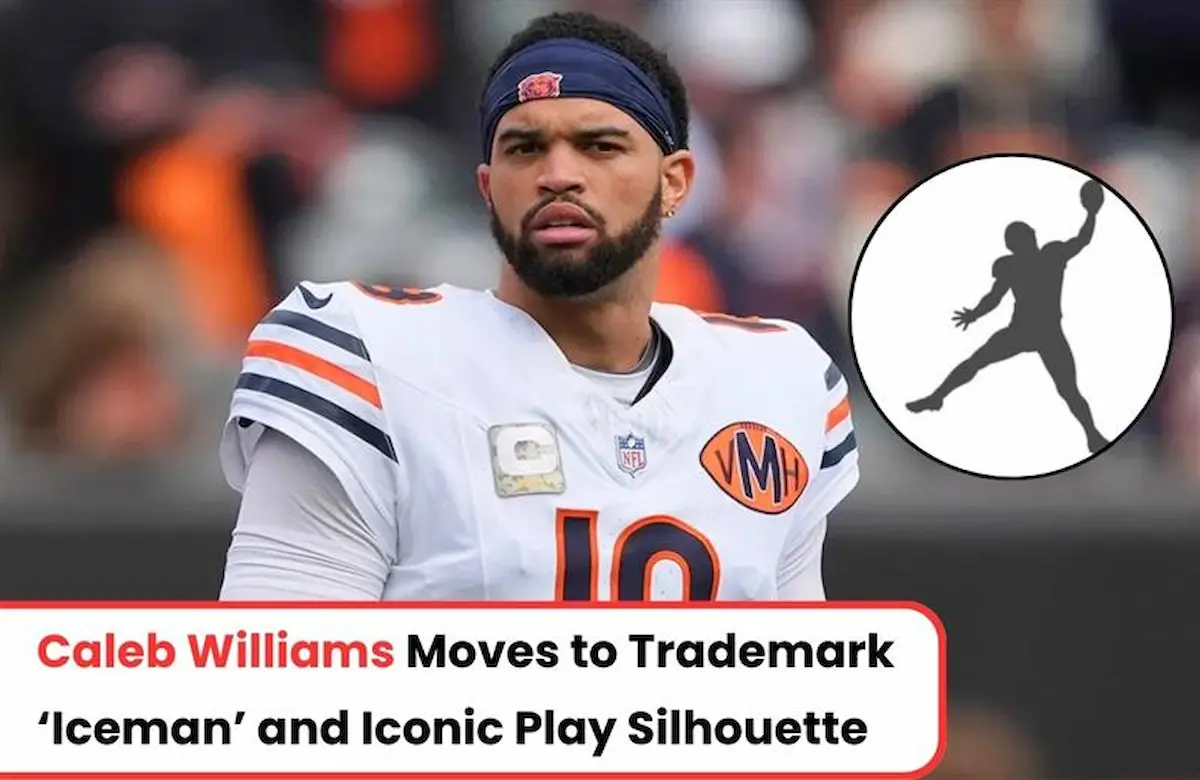
The intersection of professional sports and intellectual property law has reached a new milestone as Chicago Bears quarterback Caleb Williams takes proactive steps to secure his brand identity. In a strategic legal move, the young athlete has officially initiated the process to protect his personal brand through formal filings. The Caleb Williams Iceman trademark applications represent a significant shift in how modern athletes approach their commercial likeness and proprietary assets before they even conclude their rookie seasons.
Understanding the Legal Basis of the Caleb Williams Iceman Trademark Applications
At the core of this development is the intent to establish a clear legal boundary around the quarterback’s brand. By seeking a Trademark Registration for the moniker “Iceman,” Williams is looking to secure exclusive rights to use the name in connection with specific goods and services. This type of filing is governed by the United States Patent and Trademark Office and serves as a public notice of ownership. The Caleb Williams Iceman trademark is not merely a nickname but is being positioned as a commercial identifier that distinguishes his officially licensed merchandise from unauthorized third-party products.
The Significance of the Play Silhouette in Trademark Law and Branding
In addition to the verbal nickname, Williams has filed for a stylized silhouette of one of his most famous plays on the field. This graphic representation falls under the category of a design mark. Just as iconic logos have defined legendary athletes in the past, this silhouette is intended to become a visual shorthand for the Williams brand. Securing a Trademark Registration for a physical pose or action shot requires the applicant to demonstrate that the image is distinctive and functions as a source identifier. For Williams, the silhouette captures a moment of athletic prowess and converts it into a protectable piece of intellectual property that can be used on apparel and footwear.
Read Also: Encyclopedia Britannica vs OpenAI Copyright Infringement Case: A New Legal Frontier
How the Caleb Williams Iceman Trademark Protects Against Potential Infringement
The primary motivation behind these filings is the prevention of brand dilution and unauthorized commercial exploitation. When an athlete secures a Caleb Williams Iceman trademark, they gain the legal standing to pursue litigation against entities that use their likeness or name without permission. Intellectual property rights are essential in the modern sports economy, where “bootleg” merchandise can quickly flood the market. By establishing a formal Trademark Registration, the legal team representing Williams ensures that any use of the “Iceman” name or the specific play silhouette in a commercial context must be officially licensed, thereby maintaining the value and integrity of the athlete’s professional image.
Broad Commercial Categories Targeted in the Recent Trademark Filings
The scope of these trademark applications is notably broad, covering various classes of goods. The filings associated with the Caleb Williams Iceman trademark include categories such as athletic clothing, headwear, and potentially electronic media. This comprehensive approach is a standard practice in intellectual property law to ensure that the brand is protected across all likely avenues of commerce. By listing these specific categories, the applicant provides a clear roadmap of where the “Iceman” brand intends to operate, ensuring that the legal Trademark and Patent protection is as robust as possible across the retail landscape.
The Future of Athlete Branding and Intellectual Property Management
This move by Caleb Williams highlights a growing trend where collegiate and professional athletes prioritize their legal portfolios alongside their on-field performance. The pursuit of the Caleb Williams Iceman trademark serves as a blueprint for other players looking to navigate the complexities of name, image, and likeness rights. As the sports industry continues to evolve, the reliance on formal legal structures to safeguard personal brands will only increase. This strategic Patent filing ensures that Williams remains the sole beneficiary of his creative and athletic identity, setting a high standard for intellectual property management in professional football.