
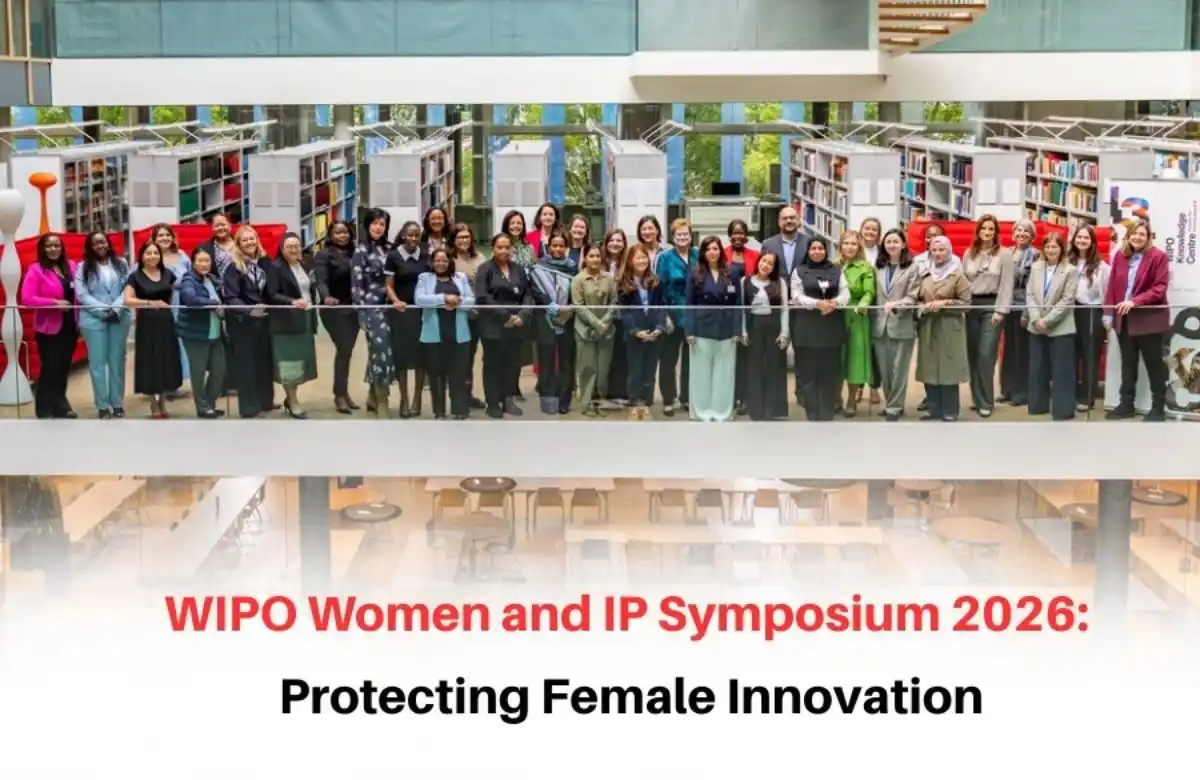
The gender gap in global patent filings limits economic growth and stalls technological progress. We organized the WIPO Women and IP Symposium 2026 to address the legal and procedural hurdles that specifically affect female inventors and creators. This consultation outlines how intellectual property (IP) frameworks are changing to support more inclusive innovation.
Current Legal Disparities in Global Intellectual Property
Current statistics from the World Intellectual Property Organization show a significant imbalance in the use of the patent system. Most international patent applications still list men as the primary inventors. This gap isn’t just a social issue; it’s a legal failure to capture the full scope of global innovation.
The law requires that an invention must be novel, non-obvious, and useful to receive patent protection. But if women don’t have equal access to the legal resources required to prove these elements, their work remains unprotected. At the WIPO Women Innovation Symposium, we analyzed how high costs and complex filing requirements often discourage female entrepreneurs from securing their statutory rights.
Mandatory Compliance and the Strategic Use of IP Rights
You must understand that intellectual property is a business asset. If you don’t secure your trademarks or patents, you lose the right to exclude others from using your work. This creates a high risk of infringement. During the WIPO Women and IP Symposium 2026, we focused on the necessity of early filing.
To remain compliant and protected, you should conduct a thorough search of prior art before launching a product. This step prevents you from accidentally infringing on existing patents. And you must ensure that all employment contracts clearly define who owns the intellectual property created during work hours. We recommend that female-led startups perform a formal IP audit to identify which assets require immediate registration.
Read More: Expiry of the SIPP Scheme in India: Impact on Startups and IP Protection
Necessary Steps for Inventors and Stakeholders
We require a shift in how national IP offices interact with inventors. The WIPO Women Innovation Symposium highlighted that simple administrative changes can increase participation. For example, reducing filing fees for small entities directly helps individual female creators.
You should also prioritize international protection if you plan to sell products outside your home country. Intellectual property rights are territorial, meaning a patent in one country doesn’t automatically protect you in another. We utilize the Patent Cooperation Treaty (PCT) to help you manage filings in multiple regions simultaneously.
Future Legal Standards and Gender-Responsive Policy
The WIPO Women and IP Symposium 2026 established new benchmarks for gender-responsive IP policy. These are not just suggestions; they are the foundation for future international treaties. We’re moving toward a system where IP offices must collect and report gender-disaggregated data.
This data helps us identify exactly where the legal system fails to support women. We will use these insights to streamline the application process for all creators. You can expect more digital tools and legal assistance programs designed to lower the barrier to entry for the global innovation system.
Action Items for Your IP Strategy
- Conduct a Prior Art Search: You must do this to avoid infringement and confirm your invention’s novelty.
- Perform an Asset Audit: This identifies any unregistered trademarks and patents currently in your portfolio.
- Initiate a PCT Filing: Use this to secure international rights across multiple jurisdictions at once.
- Execute a Contract Review: You need to clarify ownership and prevent future liability disputes.
Read More: Three Trademark Applications Filed for ‘Cockroach Janta Party’ as Viral Movement Surges