

The recent decision on the Britannia Little Hearts trademark case by the Delhi High Court to grant an interim injunction in favor of Britannia Industries Limited represents a landmark moment for the enforcement of Intellectual Property rights in India. This specific case centers on the protection of non-traditional trademarks and the prevention of deceptive similarities in the fast-moving consumer goods sector. By securing this judicial order, Britannia has successfully defended the visual and conceptual identity of its iconic product against unauthorized imitation.
The Background of the Britannia Little Hearts Trademark Case
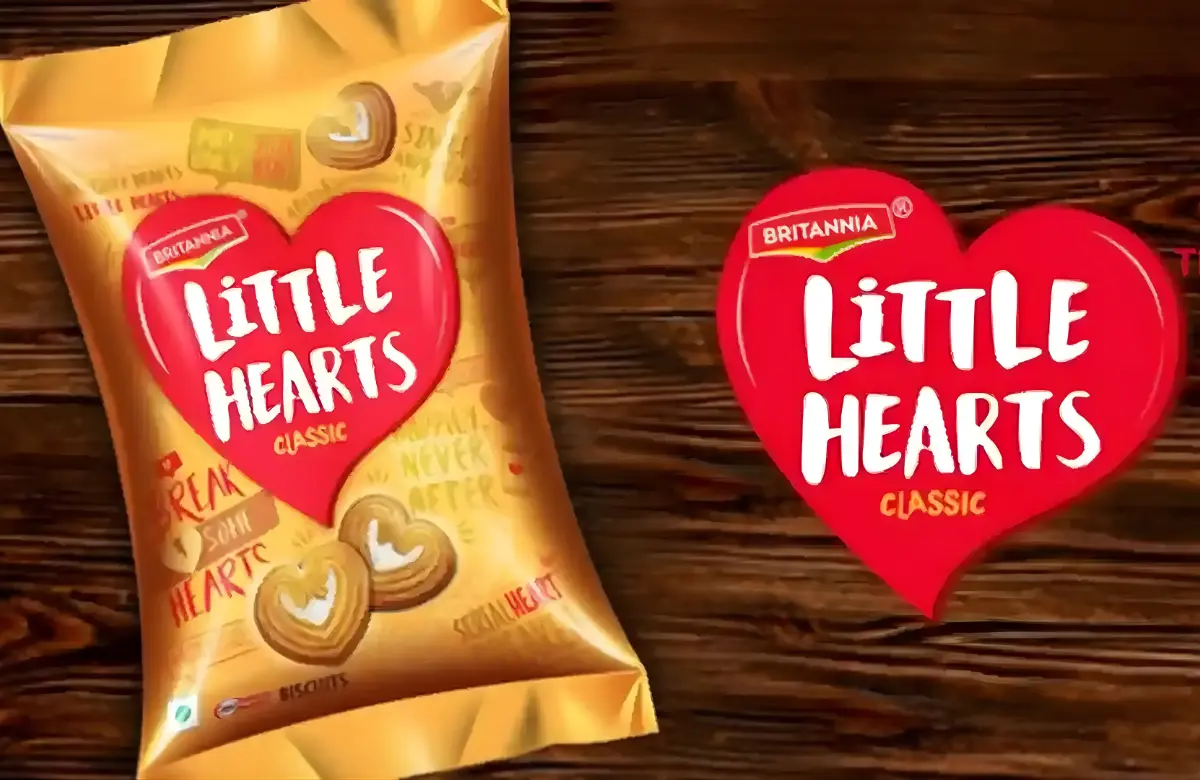
The Britannia Little Hearts trademark case was initiated to address the proliferation of lookalike products in the Indian market. Britannia filed the suit after discovering that several third-party manufacturers were selling biscuits that closely mimicked the distinctive heart shape and packaging of the Little Hearts brand. Launched in 1993, this brand has established a massive market presence over three decades.
The plaintiff argued that the unique combination of the product’s shape and its specific trade dress has achieved a status where consumers immediately associate the design with Britannia. This level of brand recognition is a primary factor in Trademark and Patent litigation involving legacy products. The defendants were accused of capitalizing on this established reputation by releasing biscuits that could easily be mistaken for the original, thereby diverting sales and diluting the brand’s exclusivity.
Legal Foundations of the Britannia Little Hearts Trademark Case
A central pillar of this legal battle is the recognition of product configuration as a protectable asset. Under Indian law, the statutory definition of a mark is broad enough to encompass the physical form of the merchandise itself. The court analyzed whether the heart shape of the biscuit functioned as a source identifier rather than a purely functional or generic feature.
- Secondary Meaning: The court found that through continuous and extensive use since the early nineties, the heart shape has acquired a secondary meaning.
- Visual Identity: The proprietary nature of the product extends beyond the name to the overall aesthetic experience of the consumer.
- Statutory Scope: The ruling affirms that the physical configuration of goods is entitled to the same level of IP protection as textual brand names or logos.
This recognition is crucial because it prevents competitors from utilizing the “recall value” of a famous product’s shape to mislead the public.
Read More: Weight-Loss Drugs in India to Become Cheaper After Semaglutide Patent Expiry
Addressing Trademark Infringement and Consumer Confusion
In matters of trademark infringement, the judiciary focuses on the likelihood of confusion among the general public. The Delhi High Court evaluated the similarities between Britannia’s offerings and the infringing products. The court determined that the defendants had adopted nearly identical packaging colors and biscuit shapes, which suggested a clear intent to ride on the coattails of the plaintiff’s success.
The following points were pivotal in the court’s assessment:
- Imperfect Recollection: The law considers whether a consumer with an average memory might confuse the two products when seeing them at different times.
- Passing Off Actions: The court recognized that the defendants were engaged in passing off their goods as those of the plaintiff, which constitutes a common law tort.
- Protection of Equity: Ensuring that the commercial goodwill built by Britannia over thirty years is not eroded by parasitic market entries.
Read Also: Daren Tang Nominated for Second Term as WIPO Director General by Coordination Committee
The Impact of IP Litigation on Market Integrity
The pursuit of IP litigation by major corporations like Britannia serves a dual purpose. It protects the financial interests of the rightsholder and safeguards the consumer from counterfeit or substandard goods. In the Britannia Little Hearts trademark case, the court issued specific mandates to curb the reach of the infringing parties.
- Manufacturing Restrictions: The injunction prohibits the defendants from producing any biscuits that use the protected heart shape or similar packaging.
- Commercial Restraint: The order extends to the sale, distribution, and advertising of the infringing products across all physical and digital platforms.
- Digital Enforcement: The ruling provides a basis for removing unauthorized listings from e-commerce websites, which have become a common venue for trademark violations.
Conclusion and Future Implications
The interim injunction in the Britannia Little Hearts trademark case sets a robust precedent for the FMCG industry. It demonstrates that the Indian legal system is equipped to handle complex issues involving trade dress and 3D marks. This victory for Britannia emphasizes that companies must be vigilant in seeking IP protection for every facet of their brand identity.
As markets become more crowded, the ability to distinguish a product through its shape and presentation remains a vital competitive advantage. This ruling confirms that trademark infringement involving product design will be met with strict judicial scrutiny to maintain fair competition and protect consumer interests.
Read More: Weight-Loss Drugs in India to Become Cheaper After Semaglutide Patent Expiry