
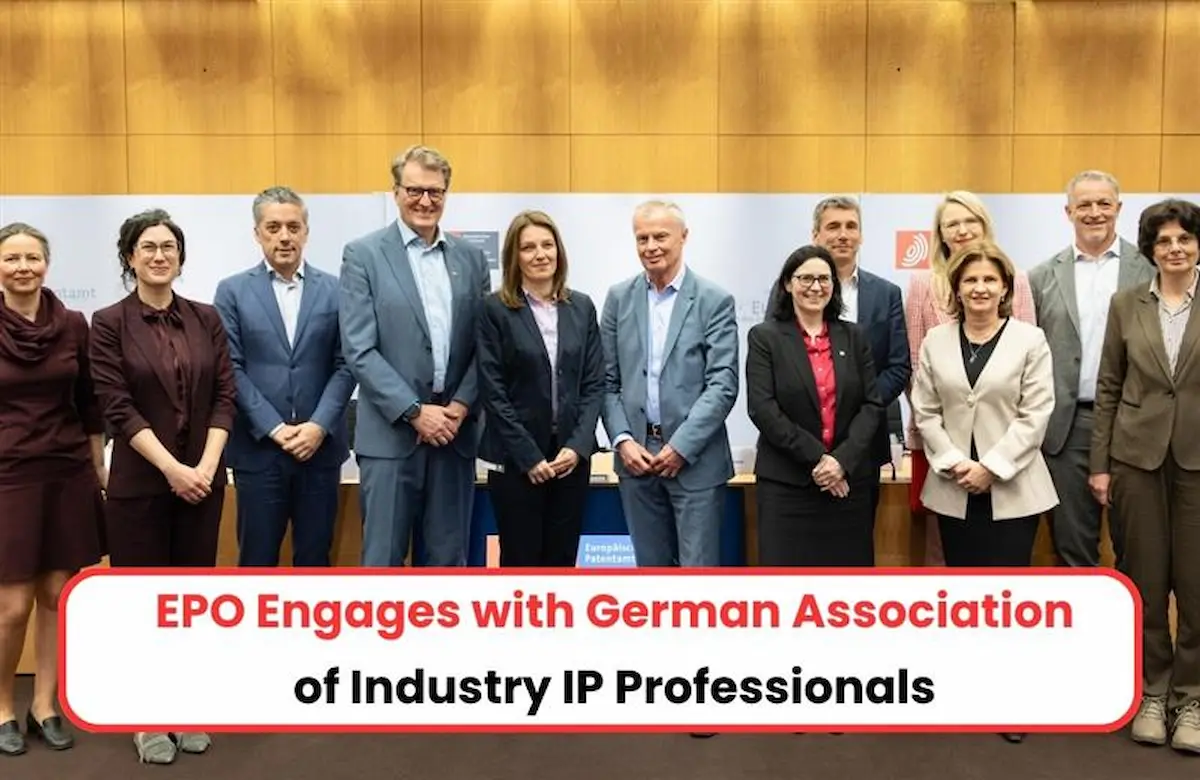
The landscape of European innovation is undergoing a profound transformation as digital integration becomes the bedrock of the patent system. In a recent strategic exchange, the European Patent Office (EPO) and the German Association of Industry IP Experts (VPP) discussed the trajectory of the patent filing and granting process. The EPO VPP meeting 2026 serves as a critical touchpoint for ensuring that the legal frameworks governing inventions keep pace with rapid technological advancements, particularly in the realm of artificial intelligence.
Strengthening the Strategic Partnership During the EPO VPP meeting 2026
The collaboration between the EPO and German industry leaders is not merely a formality but a fundamental necessity for a robust European patent network. During the EPO VPP meeting 2026, both delegations emphasized the need for a predictable and stable legal environment that fosters growth. As German industries remain at the forefront of global engineering and digital sectors, their feedback on the EPO’s Strategic Plan 2028 is invaluable.
The discussions highlighted how the Office intends to refine its operational excellence while maintaining the high standards that applicants expect. By aligning their goals, the EPO and VPP ensure that the path toward securing a patent remains transparent and efficient for businesses of all sizes. This alignment is essential for maintaining effective Trademark and Patent Protection across the single market, allowing companies to defend their innovations against global competition.
Read Also: Vietnam IP Update: New Rules Protect GUIs and Tackle AI Creations from April 2026
Navigating Artificial Intelligence Within the Patent Granting Process
One of the primary focal points of the EPO VPP meeting 2026 was the integration and examination of artificial intelligence (AI). As AI moves from a niche field to a ubiquitous tool in research and development, the EPO has introduced specific updates to its Guidelines for Examination. These updates provide much-needed clarity on how AI-generated or AI-assisted inventions are evaluated for patentability.
Experts at the meeting discussed the technicalities of “insufficient disclosure” regarding AI models. For an invention to be granted, the applicant must provide enough detail so that a skilled person can reproduce the results. In the context of AI, this means being transparent about training datasets and mathematical methods. The EPO VPP meeting 2026 provided a platform for industry experts to voice their concerns regarding these disclosure requirements, ensuring that the rules remain practical for developers while upholding the integrity of the patent system.
Maintaining High Quality Standards for European Patent Grants
Quality remains the “north star” for the European Patent Office. At the EPO VPP meeting 2026, the Office presented its Quality Action Plan, which details the measures taken to ensure that every Patent search and examination is conducted with the utmost precision. German industry representatives expressed their support for these initiatives, noting that the value of a patent is directly tied to the rigor of its examination.
To support these quality standards, the EPO is leveraging its own internal AI tools to assist examiners in finding relevant prior art more effectively. This digital transformation aims to reduce the time taken for a first search while increasing the accuracy of the results. During the EPO VPP meeting 2026, it was noted that these technological aids are designed to complement, not replace, the human expertise of the examiners. High-quality output is the best form of IP Protection, as it results in “bulletproof” patents that can withstand legal challenges in the Unified Patent Court.
Read Also: Calcutta High Court Confirms Graphical User Interfaces Are Registrable Under Indian Design Law
Future Outlook for Digital Transformation and User Engagement
Looking ahead, the insights gathered from the EPO VPP meeting 2026 will help shape the final implementation of the 2026 Guidelines. The move toward a fully paperless office by 2027 was also a key topic, with the EPO detailing its progress on end-to-end DOCX filing and the decommissioning of legacy IT systems. These changes are intended to simplify the administrative burden on applicants and their representatives.
The continuous dialogue between the Office and the VPP ensures that the European patent system remains user-centric. By focusing on AI integration and unwavering quality standards, the EPO VPP meeting 2026 has set a clear course for the coming year. As we move closer to 2026, the emphasis will remain on creating a digital-first environment where IP Protection is accessible, reliable, and equipped to handle the complexities of the modern technological era. This partnership remains a cornerstone of European industrial competitiveness, bridging the gap between legal regulation and industrial reality.