
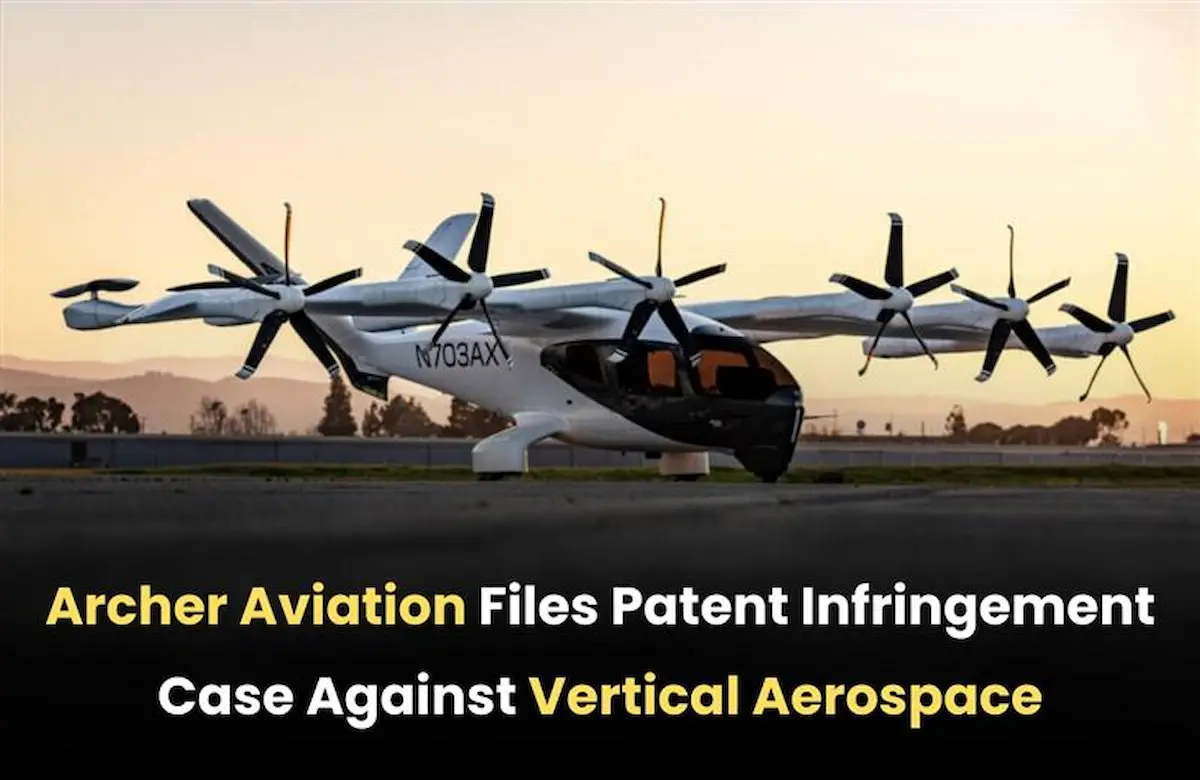
The burgeoning sector of electric vertical takeoff and landing (eVTOL) aircraft has witnessed its first major legal confrontation regarding intellectual property rights. Archer Aviation, a prominent player in the urban air mobility market, has officially initiated legal proceedings against its competitor, Vertical Aerospace. This Archer vs Vertical Patent Infringement Case marks a significant turning point for the industry, signaling that the race for aerial supremacy is now moving from the testing grounds to the courtroom.
Overview of the Archer vs Vertical Patent Infringement Case
The core of the Archer Aviation patent infringement lawsuit centers on specific engineering designs and aerodynamic configurations that Archer claims to have pioneered. As companies rush to certify their aircraft with global aviation authorities, the protection of proprietary technology becomes paramount. Archer alleges that Vertical Aerospace has utilized patented technologies without authorization, particularly involving the tilt-rotor mechanisms and battery integration systems that are critical for efficient eVTOL flight.
In the realm of IP Litigation, cases involving high-stakes aerospace technology are often complex. They require a deep dive into technical specifications and the chronology of development. Archer maintains that its investments in research and development are being unfairly exploited, necessitating formal legal intervention to protect its market position and its shareholders’ interests.

The Significance of Patent Filing in the Archer vs Vertical Patent Infringement Case
The aviation industry relies heavily on a robust patent filing strategy to ensure that long-term investments in innovation are not easily replicated by rivals. For eVTOL companies, these filings cover everything from noise-reduction blade designs to advanced flight control software.
In this specific dispute, the court will likely examine the timeline of when Archer secured its patents versus when Vertical Aerospace implemented similar designs in its VX4 aircraft. If the court finds that Vertical Aerospace’s design overlaps with Archer’s protected claims, the financial and operational repercussions for Vertical could be substantial. This highlights why a meticulous Patent Filing process is the backbone of any tech-heavy enterprise.
Understanding the Allegations of IP Infringement
When one company accuses another of IP infringement, it is claiming that its legally protected “intellectual property” has been used, copied, or sold without a license. In the context of the Archer vs Vertical patent infringement case, the focus is on “utility patents,” which protect the way an invention works and is used.
Archer’s legal team argues that the similarities between the two aircraft models are not merely a result of convergent evolution in engineering but are a direct result of the unauthorized use of Archer’s proprietary blueprints. Proving IP infringement in aviation is a rigorous process, requiring expert testimony to demonstrate that the accused product performs substantially the same function in substantially the same way to achieve the same result.
The Broader Impact on the Industry
This lawsuit is expected to set a precedent for how IP Litigation is handled within the electric aviation community. As more startups enter the space, the “open-source” spirit often found in early-stage tech development is being replaced by a more defensive and litigious environment.
Investors are watching the Archer Aviation patent infringement lawsuit closely. A victory for Archer could mean it gains a monopoly over certain efficient design paths, forcing competitors to “design around” existing patents, which is both costly and time-consuming. Conversely, if Vertical Aerospace successfully defends its design, it could weaken the perceived strength of Archer’s patent portfolio.
Legal Maneuvers and Future Outlook
The legal battle is expected to be lengthy. Vertical Aerospace has historically emphasized its unique engineering approach, and it is likely to challenge the validity of Archer’s patents as a primary defense. This is a common tactic in IP Litigation, where the defendant argues that the patent should never have been granted because the technology was either already known or was an obvious improvement on existing designs.
Despite the technical complexity, the fundamental question remains simple: who owns the rights to the shapes and systems that will define the future of urban travel? As this case progresses, it will serve as a cautionary tale for all players in the sector to prioritize their legal safeguards as much as their engineering milestones.
Read Also: Elon Musk’s Tesla Files USPTO Appeal Against Unibev Over ‘Cybercab’ Trademark
Conclusion
The Archer vs Vertical patent infringement case is more than just a corporate spat; it is a defining moment for the eVTOL industry. By filing this Archer Aviation patent infringement lawsuit, Archer is asserting its dominance and signaling that it will aggressively defend its innovations. As the court examines the merits of the IP infringement claims, the rest of the aviation world will be forced to take a closer look at their own intellectual property strategies to avoid similar turbulence. For now, the path to the skies remains cluttered with legal challenges that are just as difficult to navigate as the engineering hurdles themselves.