
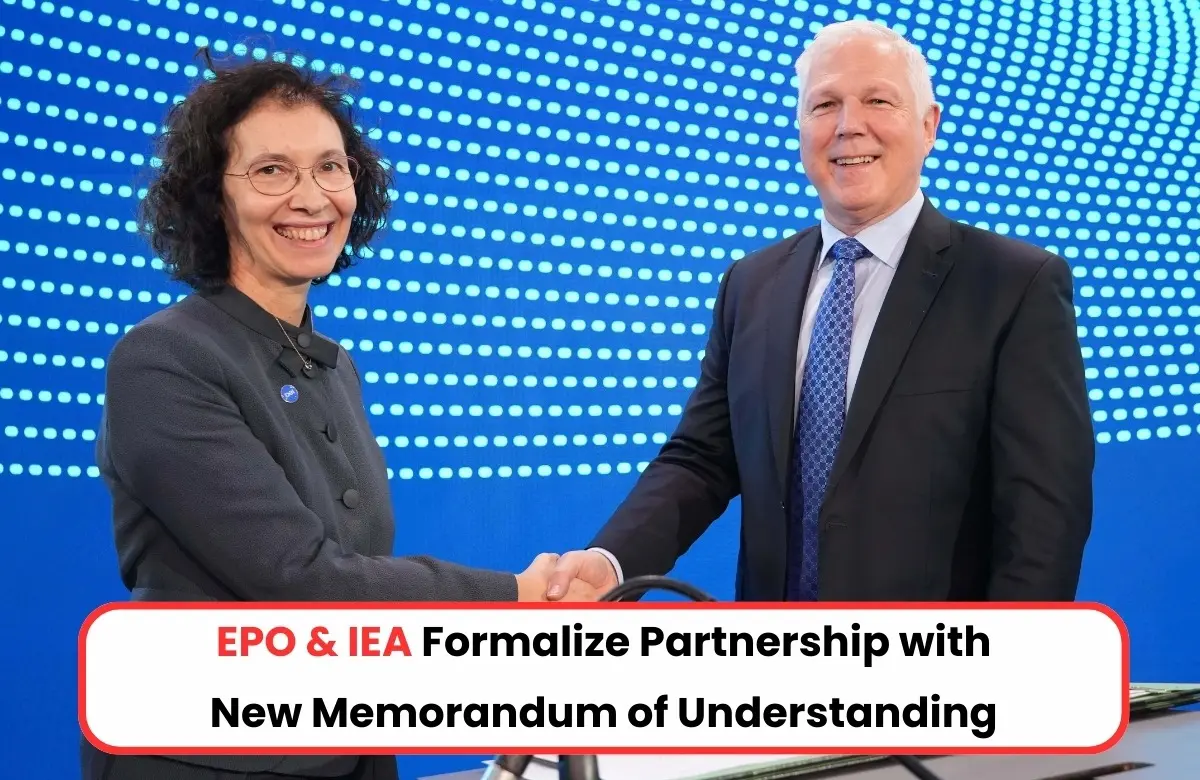
The global transition toward sustainable energy has reached a critical juncture, requiring unprecedented cooperation between regulatory bodies and data analysts. In a significant development for the international energy landscape, the European Patent Office (EPO) and the International Energy Agency (IEA) recently convened in Paris to formalize their partnership. The event culminated as the EPO and IEA MoU Agreement, establishing a robust framework for future cooperation in the field of clean energy technologies.
This agreement represents more than just a formal handshake. It is a strategic alignment between two of the most influential organizations in their respective sectors. By signing this document, both entities have committed to sharing technical expertise and data to accelerate the development of the technologies needed to reach net-zero emissions.
Strengthening the Foundation of Energy Transition
The decision to sign the EPO and IEA MoU Agreement stems from a shared recognition that innovation is the primary engine of the green transition. For years, these organizations have collaborated on joint studies that analyze patent trends to identify which sectors of the energy market are evolving most rapidly. This new agreement secures that relationship for the long term.
A central pillar of this collaboration involves the exchange of information regarding Patent Filing trends. By analyzing where and when new inventions are being registered, the IEA can gain a clearer picture of the technological readiness of various energy sectors. Conversely, the EPO can use the IEA’s market analysis to better understand the industrial application of the inventions passing through its doors.
The Role of Intellectual Property in Innovation
At the heart of this partnership is the concept of IP Protection. For inventors and companies developing breakthrough renewable technologies, securing their intellectual property is essential for attracting investment. Without a guarantee that their ideas will be legally protected, many firms would be hesitant to commit the massive capital required for research and development.
The MOU ensures that the data gathered from patent filing activities is used to inform policymakers about the health of the global innovation ecosystem. At the time of the EPO and IEA MoU Agreement, they sent a clear signal to the market that the legal frameworks surrounding energy technology are being prioritized and monitored at the highest levels.
Enhancing Transparency and Data Sharing
One of the most practical outcomes of the decision for the EPO and IEA to sign a Memorandum of Understanding is the commitment to enhanced data transparency. The two organizations will work together to produce reports that provide a granular look at innovation in areas like hydrogen production, battery storage, and carbon capture.
These reports serve as a roadmap for both governments and private investors. They highlight which countries are leading in specific sub-sectors and where there are gaps in the innovation chain. By focusing on the legal certainty provided by Trademark and Patent Protection, these insights help stakeholders navigate the complex path from a laboratory concept to a commercially viable energy solution.
A Legal Framework for Global Progress
While the language of the agreement is rooted in administrative and legal cooperation, its impact is deeply practical. The EPO and IEA sign an MOU Agreement to ensure that technical barriers do not hinder the flow of information. By aligning their methodologies, they can provide the public with a more accurate reflection of how technology is evolving to meet climate goals.
The rigorous standards of patent filing provide a unique data set that is far more reliable than simple investment figures. A patent represents a concrete technical advancement that has met specific legal criteria. By integrating this data into energy policy, the IEA can offer more precise recommendations to its member nations.
Read Also: Travis Kelce & Patrick Mahomes Sued: What the Lawsuit Is About
Conclusion
The meeting in Paris marks a new chapter in the fight against climate change. With the signing EPO and IEA MoU Agreement, they are building a bridge between the world of intellectual property and the world of energy policy. This synergy is vital for ensuring that the global energy transition is supported by verifiable data and strong legal safeguards.
The emphasis on IP Protection throughout this agreement highlights the necessity of a stable legal environment for fostering creativity. As we move forward, the continued monitoring of Patent Filing trends will be the primary metric by which we measure our success in inventing a cleaner, more sustainable future. Through this strategic move, the EPO and IEA have ensured that innovation will remain at the forefront of the global energy agenda.