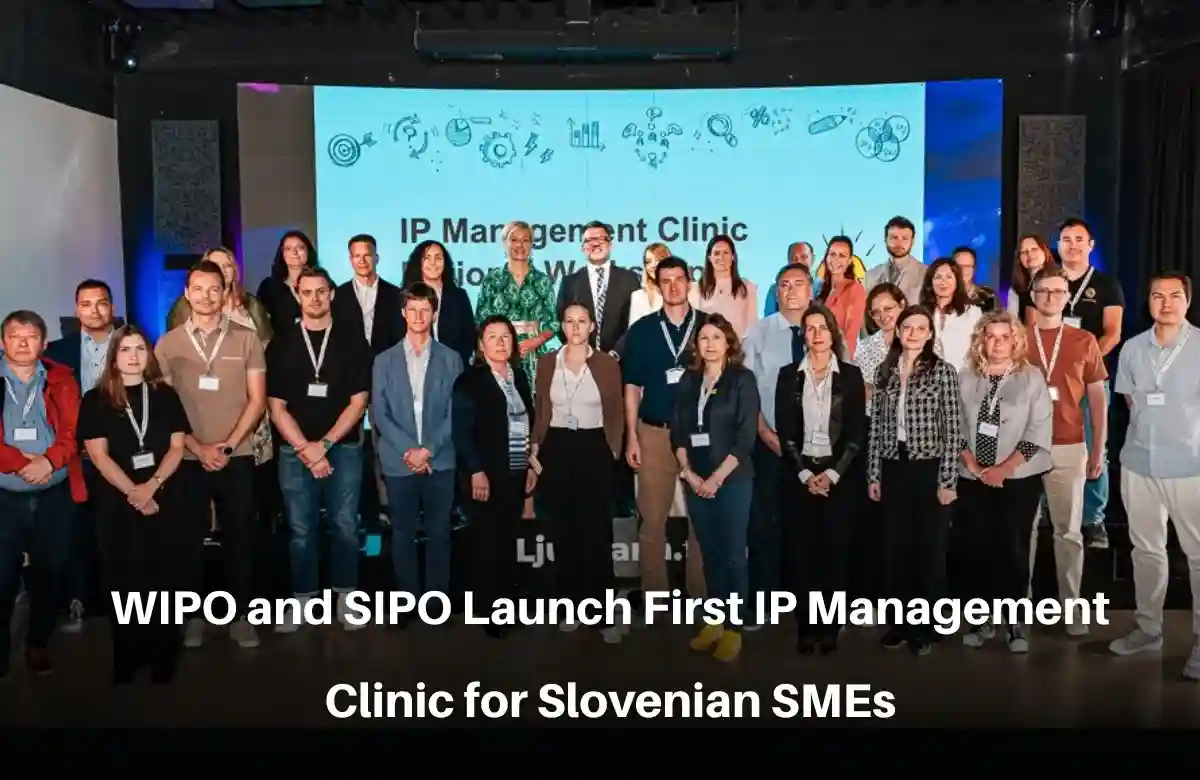
LJUBLJANA, June 11, 2026, The World Intellectual Property Organization (WIPO) and the Slovenian Intellectual Property Office (SIPO) just initiated a new phase of institutional cooperation. It’s a direct effort to support local businesses. The two organizations launched the first WIPO and SIPO IP Management Clinic in Ljubljana to deliver specialized legal and strategic guidance to local enterprises. This initiative, known as the IP Management Clinic Slovenia program, directly addresses the practical statutory hurdles that small and medium-sized enterprises (SMEs) face when protecting intangible assets. Why does this matter? By introducing the WIPO Slovenia SMEs initiative, global and national regulatory authorities want to move commercial entities from basic legal awareness to executive IP asset management. The SIPO IP Management Clinic framework provides direct access to legal experts, helping corporate entities secure their proprietary technologies, brands, and creative expressions in competitive global markets.
This joint initiative builds upon previous institutional foundations laid by both offices. In February 2025, WIPO and SIPO introduced localized digital resources, including the WIPO IP Diagnostic Tool and specialized strategic guides for startup organizations. Those initial efforts focused on general public education and statutory awareness. But the newly launched clinic transitions into active administrative support. It introduces structured mentoring and legal advisory frameworks designed to help selected businesses identify, register, and enforce their intellectual property rights.
Read More: WIPO Intellectual Property Launches Benchbook for Nigerian Judiciary to Strengthen IP Adjudication
Intellectual Property as a Fundamental Strategic Asset for Small and Medium Enterprises
We must look at the macroeconomic data. Karin Žvokelj, the Director of SIPO, recently noted that global intangible assets are currently valued at approximately 85 trillion EUR. That is a massive valuation. But many commercial entities fail to seek statutory intellectual property protection until a third-party infringement occurs. Or until a costly legal dispute arises.
To address these vulnerabilities, the national industrial property office is positioning Slovenia as a proactive European jurisdiction for intellectual property valuation and intellectual property-backed financing. The state plans to establish upcoming credit facilities. These frameworks allow you to utilize registered intellectual property assets as formal collateral for commercial loans. The clinic serves as a prerequisite training mechanism. It ensures that local firms possess the registered legal titles necessary to participate in these new financial frameworks.
The Operational Structure of the WIPO and SIPO IP Management Clinic Workshop
The national workshop was split into two clear operational segments to maximize practical legal application. The morning session comprised technical presentations attended by 34 corporate representatives, legal professionals, and local entrepreneurs. These panels analyzed the statutory frameworks governing various intellectual property rights, specifically focusing on the following core areas:
- The strategic utilization of patent law to secure industrial inventions and technical innovations.
- The registration of trademarks to preserve corporate identity and brand equity.
- The deployment of copyright protection and trade secret protocols to safeguard proprietary software code and industrial manufacturing data.
Read More: Thailand’s Princess Sirivannavari Appointed WIPO Ambassador for Fashion and Design
And what about the afternoon session? It shifted to the practical application of intellectual property management principles through direct mentoring. A total of 20 domestic corporate entities participated in this segment following a competitive administrative review process. These companies received individual legal consultations from an elite panel of legal experts, including international patent attorneys from the Linhart Intellectual Property Firm, specialized practitioners from Patentni biro AF, legal counsel from Comtrade, and senior examiners from SIPO.
Strategic Commercial Outcomes and Future Investor Engagement Protocols
The practical consultations revealed a clear legal gap. Many participating small businesses possessed valuable proprietary assets that had not yet been codified or legally protected. Several companies identified unregistered trade secrets, software copyrights, and industrial design rights that lacked formal management strategies. If you engage in international trade, you must secure your rights abroad. Because of this, the legal experts provided guidance on international filing frameworks, specifically explaining the administrative procedures of the Patent Cooperation Treaty for inventions and the Madrid System for the international registration of marks.
The participating companies experienced a clear shift in how they view intellectual property protection. Registration isn’t just an administrative expense or a defensive litigation shield. Instead, corporate executives began treating intellectual property as a core business asset capable of driving company valuation, securing joint ventures, and attracting venture capital. For example, ReVino, a Slovenian company specializing in processing grape pomace into sustainable industrial materials, modified its corporate strategy during the program. The company is now actively transitioning toward an international licensing business model and is preparing applications for cross-border patent protection.
Read More: Google Defends Trademark Keyword Advertising Policy After Delhi High Court Hindware Judgment
Following the conclusion of this inaugural clinic, WIPO and SIPO confirmed their commitment to maintaining long-term support for the participating enterprises. The next phase of the program will feature an Investor Engagement Workshop. This upcoming event will focus specifically on training corporate executives to present their intellectual property portfolios to potential financiers, structure complex licensing agreements, and utilize their protected legal titles to secure external capital for international expansion.