
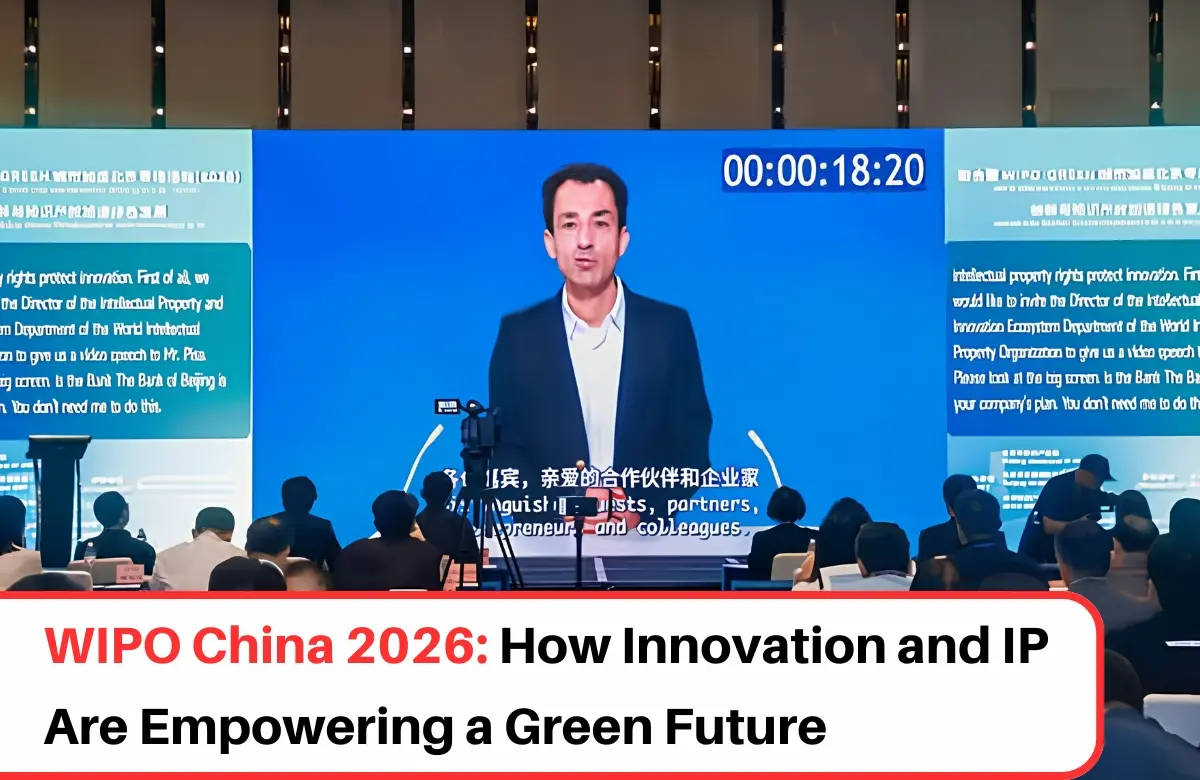
As we navigate the complexities of global climate change, the year 2026 stands as a pivotal milestone for ecological transition. In this landscape, the synergy between technological advancement and legal frameworks has never been more critical. The World Intellectual Property Organization (WIPO) has consistently emphasized that intangible assets are the bedrock of the modern economy. In China, the WIPO China Green City Acceleration Project has been started. This philosophy is being put into practice through a sophisticated WIPO China Green Future IP Strategy that ensures green technologies are not only conceived but also legally secured and commercially deployed.
The Strategic Role of the WIPO China Green City Acceleration Project
Theory is fine, but cities need results. The WIPO China Green City Acceleration Project serves as the practical link between ecological demand and technical supply. It targets urban hubs to match technology providers with those who need them most. Think of it as a clearinghouse for sustainability. This setup allows for the swift deployment of green infrastructure, such as advanced wastewater systems or zero-emission energy grids.
Success here isn’t accidental. It’s built on a rigid IP framework. If a city intends to adopt new tech, it needs certainty regarding ownership and licensing rights. The WIPO China Green City Acceleration Project provides exactly that. It offers a secure platform for these legal exchanges. By connecting innovators with government stakeholders, the project cuts through the red tape. It moves ideas out of the lab and into the streets where they belong.
Read Also: Marc vs MarQ: Supreme Court Upholds Injunction Against Flipkart’s Private Label
Enhancing Market Confidence through Robust IP Protection
In the green sector, a company’s value is its brainpower. Period. This makes IP Protection the main driver for investment in high-risk environmental R&D. Why would an entrepreneur risk capital on a new invention if a competitor could simply steal it? They wouldn’t. Strong legal safeguards prevent unauthorized use and keep the momentum of development high.
China’s legal landscape now mirrors international standards more closely than ever. Reliable IP Protection means that a patent for a hydrogen fuel cell or a smart-grid algorithm is enforceable across borders. This predictability is what international investors crave. When a firm trusts that its “Green IP” is legally insulated, it’s more willing to engage in cross-border licensing. And we need that sharing to hit global carbon targets.
Implementing the WIPO China Green Future IP Strategy for Sustainable Growth
In the Initial Stage of business, the Patent Filing is just the first step. To truly grow, we need the WIPO China Green Future IP Strategy. This isn’t just paperwork; it’s a business model. It bundles patent filings, trademarks, and trade secrets into a single protective shield. For Chinese companies, this represents a shift. They’re no longer just manufacturers. They’re becoming the original architects of the green economy.
Under the WIPO China Green Future IP Strategy, “IP Management Clinics” offer direct legal guidance to small and medium enterprises. These clinics help smaller players use the Patent Cooperation Treaty (PCT) to go global. Because IP shouldn’t be a barrier to entry, instead, it’s a financial tool that funds growth while saving the planet.
Read Also: Fashion Brand Chrome Hearts Drops Trademark Lawsuit Against Neil Young’s Band
Securing the Future through Continuous IP Protection and Collaborative Innovation
The road to a green future requires constant legal vigilance. As Artificial Intelligence begins to manage our power grids and plastic alternatives, the need for IP Protection will only intensify. We must define and defend these rights clearly. But can we do it fast enough?
China is proving that we can. By supporting the WIPO China Green City Acceleration Project, the nation is showing that international cooperation leads to real-world results. The WIPO China Green Future IP Strategy ensures that innovation doesn’t stall. We aren’t just hoping for a cleaner world. Through the law, we’re making it a legal certainty.