
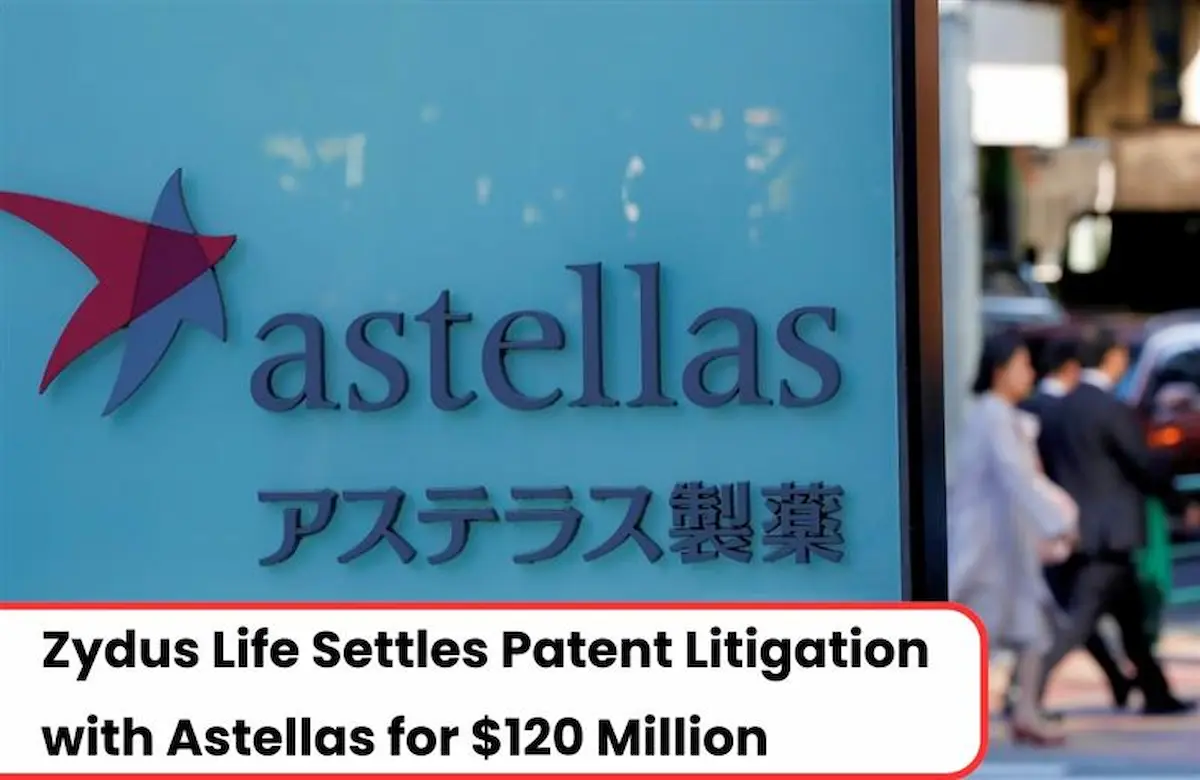
The landscape of pharmaceutical intellectual property is often defined by the rigorous defense of proprietary formulations and the strategic entry of generic alternatives. Recently, a major milestone was reached in this arena as the U.S. unit of Zydus Lifesciences finalized a significant agreement with Astellas Pharma. The Zydus and Astellas Patent Dispute Settlement involves a $120 million payment, effectively terminating a high-stakes legal battle over the generic version of the overactive bladder medication, Mirabegron.
Legal Background of the Zydus and Astellas Patent Dispute Settlement
The core of this dispute centered on the branded drug Myrbetriq, owned by Astellas Pharma. As a leader in the treatment of overactive bladder, Myrbetriq has been a primary asset for Astellas, protected by a robust Patent Portfolio. When Zydus sought to market a generic version of the drug, it triggered a series of legal challenges regarding IP protection and the validity of the underlying technological claims.
In the United States, the Hatch-Waxman Act provides the framework for these interactions. When a generic firm submits an Abbreviated New Drug Application (ANDA), it must address the existing patents listed in the FDA Orange Book. This often results in IP litigation if the branded manufacturer believes the generic product infringes upon its exclusive rights. In this instance, the litigation focused on the extended-release technology used to deliver the active ingredient, Mirabegron, effectively over a specific duration.
Read Also: UK Supreme Court Delivers Landmark Judgment on AI and Software Patentability

Financial and Regulatory Scope of the Zydus Life Patent Settlement
The Zydus and Astellas patent dispute settlement serves as a definitive resolution to claims that the generic product market entry was premature or infringed upon valid claims held by Astellas. Under the terms of the agreement, the U.S. subsidiary of Zydus will provide a lump sum payment of $120 million. This financial commitment acts as a settlement for any alleged past damages and ensures a smoother regulatory path moving forward.
For many generic manufacturers, an at risk launch involves selling a drug while patent litigation is still pending. This can lead to severe financial penalties if a court later finds the patent to be valid and infringed. This settlement effectively mitigates that risk for Zydus, replacing the uncertainty of a court judgment with a structured and negotiated exit from the dispute.
Critical Components of the Agreement
The resolution is multifaceted, addressing both financial compensation and future market participation. Key aspects include the following:
- Monetary Compensation: A one-time payment of $120 million to be distributed among Astellas and its relevant partners.
- Licensing Rights: The agreement grants Zydus a license to continue its commercial activities regarding generic Mirabegron, provided it adheres to the negotiated terms.
- Termination of Proceedings: Both parties have agreed to file for the dismissal of all active lawsuits related to these specific patent claims in the U.S. federal court system.
- Release of Claims: The settlement provides a legal release, protecting Zydus from future litigation regarding the sales of the product prior to the settlement date.
Read More: Delhi High Court Judge Pratibha M Singh Calls for Reinvention of Intellectual Property in AI Era
The Strategic Value of IP Protection and Patent Filing
This case highlights the immense value placed on patent filing within the global pharmaceutical industry. For innovators like Astellas, maintaining exclusive rights is essential to recouping the costs of development and clinical trials. Conversely, for companies like Zydus, challenging these patents is a standard method of introducing more affordable options to the healthcare market.
The complexity of IP litigation in this sector requires a deep understanding of formulation chemistry and legal technicalities. By reaching this settlement, both organizations have avoided the unpredictability of a trial verdict. Such a verdict could have resulted in either a total market block for the generic or a total loss of patent exclusivity for the branded manufacturer.
Future Implications for Zydus Lifesciences
While the financial outlay is substantial, the Zydus and Astellas patent dispute settlement allows the company to stabilize its U.S. operations. With the legal hurdles cleared, the firm can now focus its capital and human expertise on broadening its portfolio. This includes shifting focus toward the development of complex generics and biosimilars, where the barriers to entry and the rewards for successful IP protection are even higher.
The settlement underscores the maturity of Indian pharmaceutical giants operating in the U.S. market. Rather than engaging in indefinite legal warfare, these companies are increasingly opting for calculated settlements that provide market certainty and protect their long-term commercial interests.
Conclusion
The conclusion of the Zydus and Astellas patent dispute settlement represents a pivotal moment for both companies. It reaffirms the importance of protecting intellectual property through rigorous patent filing and highlights the significant costs associated with IP litigation. As the pharmaceutical market continues to shift toward more complex biological and synthetic drugs, the lessons learned from the Mirabegron dispute will likely inform future legal strategies across the industry.
Read More: Japan Patent Office Publishes New Handbook on PCT Search and Examination