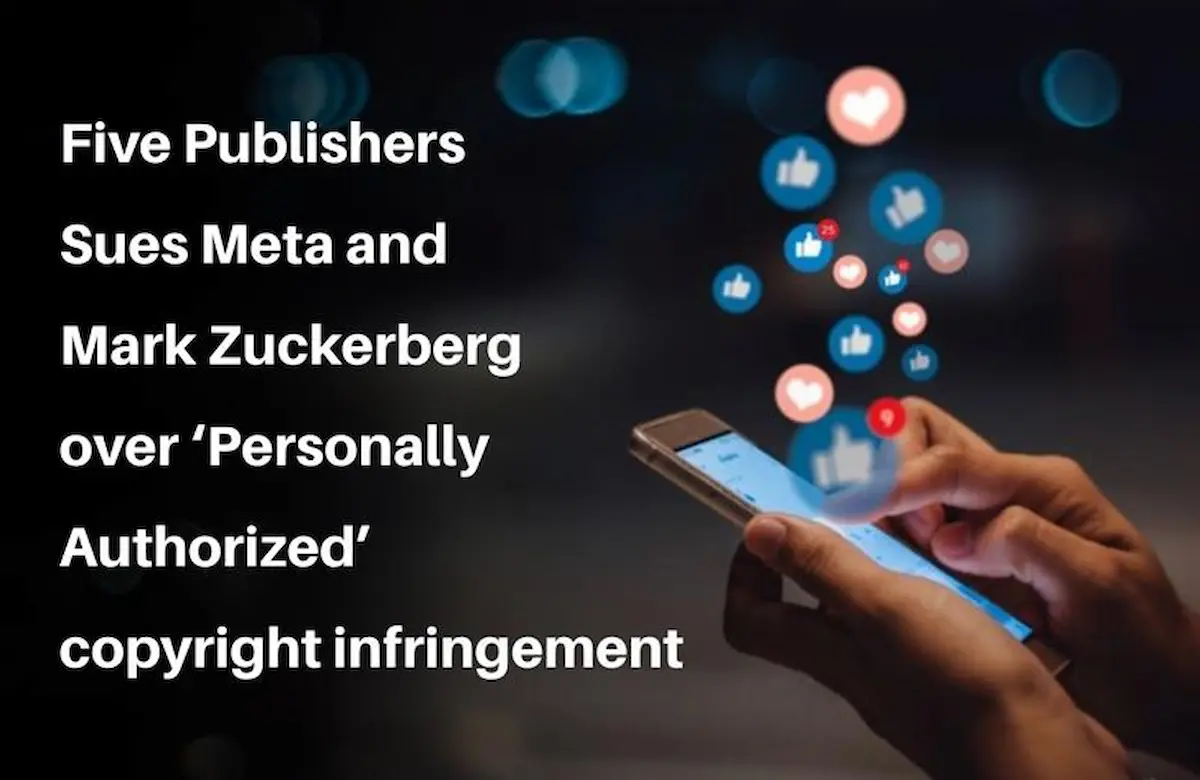
The rules for digital property just changed. Five major publishers are taking Meta Platforms Inc. and its CEO, Mark Zuckerberg, to court. This isn’t your average corporate spat. The Mark Zuckerberg Copyright Infringement case hinges on a bold claim: the CEO didn’t just watch from the sidelines, he personally gave the green light to use copyrighted works without paying a dime. If you care about who owns what online, this is the case to watch. It moves the target from a faceless company to the man at the top.
The Specific Allegations Fueling the Mark Zuckerberg Copyright Infringement Case
What actually happened? The publishers say Meta used a mountain of books and articles to train its AI. They argue this wasn’t some glitch in the code. It was a cold, calculated business move. In this Mark Zuckerberg Copyright Infringement case, the legal team claims Zuckerberg bypassed standard IP protection rules. By allegedly signing off on “scraping” these works, Meta’s leadership chose speed over the law. This shifts the blame from a “technical error” to a boardroom decision.
Why the Meta Copyright Infringement Case Matters to You
The fallout from the Meta Copyright Infringement case hits home for anyone who creates content. For years, big tech has treated the internet like a free buffet. This lawsuit says “enough.” It suggests that stealing content isn’t a side effect of AI, it’s a strategy. If the courts agree that Meta cut corners to get ahead, it will change the rules of the game. The Meta Copyright Infringement case serves as a loud reminder that even the world’s most powerful people have to follow the rules of ownership.
Read Also: Delhi High Court Orders Xiaomi to Deposit $28.7M in Malikie SEP Dispute
Personal Liability in the Mark Zuckerberg Copyright Case
Why name the CEO? Usually, lawyers just sue the company. But the Mark Zuckerberg copyright case is different. By naming him personally, the publishers are calling out a culture where the law is treated as an optional suggestion. They believe his “personally authorized” actions led to mass theft across Meta’s platforms. It’s an aggressive legal strategy. They’re trying to look past the corporate logo and hold the person in charge responsible for where the company gets its data.
Keeping Ideas Safe in the Age of AI
AI needs data. Lots of it. But that need has created a massive temptation to take what isn’t yours. This lawsuit puts a spotlight on the friction between fast tech and slow law. We need strong Patent protection to keep the creative world spinning. If writers and publishers don’t get paid, they stop producing. It’s that simple. Because without these legal guards, professional creativity becomes a charity, and that’s a losing game for everyone.
Why Publishers Are Fighting This Legal Battle
Taking on a titan like Meta is expensive and exhausting. So why do it? Because this is about more than a paycheck. The publishers are looking for a clear line in the sand. This specific legal fight shows the industry is finally ready to stand up to tech giants. They want to know exactly how their data is being used and who gave the order to take it.
What Happens Next in the Mark Zuckerberg Copyright Case?
Every other tech firm is currently watching the Mark Zuckerberg copyright case with a mix of fear and curiosity. If the publishers win, the “take it now, apologize later” era is over. We might see a world where AI companies actually have to buy the content they use. The Mark Zuckerberg copyright case could be the end of the “move fast and break things” mantra. A win here means a future where tech and creators actually work together instead of fighting in court.
Read Also: WIPO Highlights the Importance of IP in Franchising at Philippines Franchise Asia 2026
Final Thoughts on the Future of Meta and Media
This isn’t just a trial, it’s a crossroads for digital ethics. Whether the Mark Zuckerberg Copyright Infringement case ends in a massive check or a judge’s ruling, the message is clear. You can’t build a trillion-dollar empire on someone else’s hard work without permission. As Meta prepares its defense, the rest of us are left asking a simple question: Does innovation give you the right to ignore the law? We’re about to find out.