
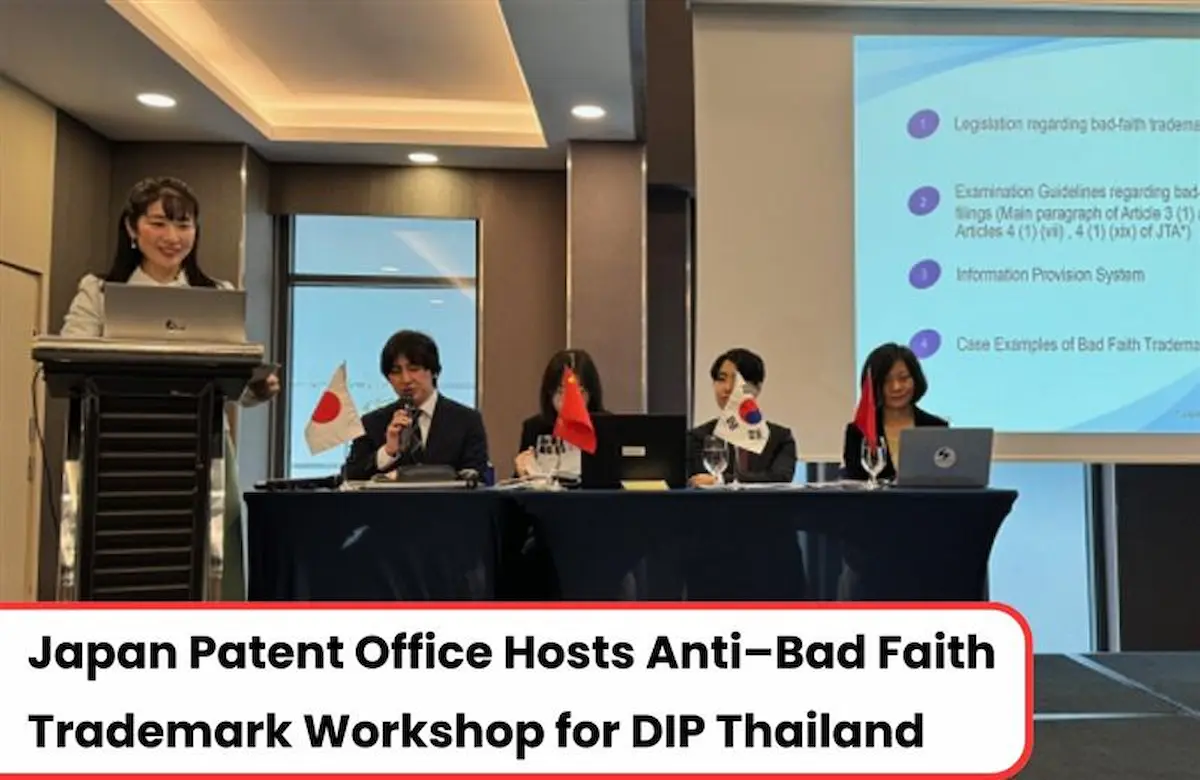
The integrity of a trademark system relies heavily on the principle of “first-to-file,” but this system is often tested by individuals or entities acting in bad faith. To address these growing concerns, the Japan Patent Office (JPO) recently organized a specialized training program focused on identifying and preventing bad-faith trademark registration. This JPO and Thailand workshop served as a vital platform for sharing legal expertise and strengthening the intellectual property landscape between Japan and Southeast Asia.
Addressing the Challenge of Bad-Faith Filings
Bad-faith filings occur when a party registers a trademark that they do not intend to use, often choosing a mark that already belongs to a well-known brand in another jurisdiction. The primary goal is usually to sell the registration back to the rightful owner at an inflated price or to benefit from the established reputation of the original brand.
For businesses expanding internationally, these filings create significant hurdles. They can lead to costly and time-consuming IP Litigation to reclaim rights that should have been protected from the outset. By hosting this workshop, the JPO aimed to provide Thai officials with the analytical tools necessary to spot these malicious applications during the examination phase, thereby reducing the burden on the judicial system.
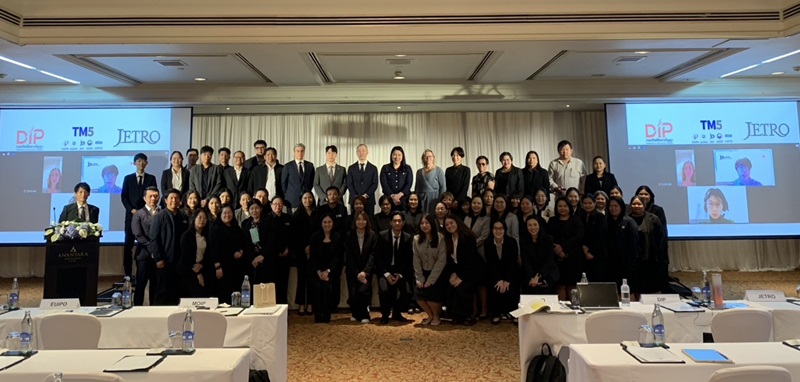
Collaboration Between JPO and Thailand
The relationship between Japan and Thailand in the field of intellectual property has remained strong for decades. As Japanese companies continue to invest heavily in the Thai market, the need for robust IP protection becomes a shared priority. This specific JPO and Thailand workshop focused on the practical application of trademark law, moving beyond theoretical frameworks to look at real-world case studies.
During the sessions, Japanese experts detailed the specific criteria used by the JPO to determine “bad faith.” This includes evaluating the relationship between the applicant and the original owner, the degree of fame of the existing mark, and the history of the applicant’s filing activities. By aligning these examination standards, both nations can ensure a more predictable and transparent environment for brand owners.
Read Also: Shen Changyu Meets IPOS CEO Tan Kong Hwee to Advance IP Collaboration
The Role of Examination in Preventing IP Litigation
One of the key takeaways from the workshop was that a strong examination process is the first line of defense. When examiners are equipped to reject bad-faith applications early, it prevents the need for complex IP Litigation later in the brand’s lifecycle. Legal practitioners recognize that administrative remedies at the patent office level are far more efficient than courtroom battles.
The workshop participants discussed the nuances of Thai and Japanese trademark laws, identifying areas where procedures could be streamlined. This exchange of knowledge ensures that examiners in Thailand can leverage the experience of the JPO, which has handled a high volume of bad-faith cases involving international brands.
Strengthening Regional IP Protection
The impact of such training programs extends beyond the immediate participants. When a major economy like Thailand strengthens its stance against bad-faith actors, it sends a clear signal to the rest of the region. Comprehensive IP protection acts as a catalyst for economic growth, as it provides domestic and foreign investors with the confidence that their creative and commercial assets are secure.
The JPO and Thailand workshop highlighted that protecting a brand is not just about the initial registration. It involves constant vigilance and a legal framework that punishes those who attempt to exploit the system. Through continuous cooperation, the JPO helps build a regional standard where intellectual property rights are respected and enforced with consistency.
Conclusion
The recent collaboration between the Japan Patent Office and Thai intellectual property officials marks another step forward in the global fight against trademark squatting. By focusing on the technical aspects of bad-faith filings, the JPO and Thailand workshop has empowered officials to safeguard the interests of legitimate business owners.
As global markets become increasingly interconnected, the importance of harmonized IP standards cannot be overstated. Reducing the instances of bad-faith registrations not only minimizes the risk of Trademark and Patent Litigation but also fosters an environment of innovation. Ultimately, the success of these initiatives ensures that IP protection remains a cornerstone of international trade, benefiting consumers and creators alike. Through proactive education and bilateral support, the JPO and its Thai counterparts are building a more equitable marketplace for the future.