

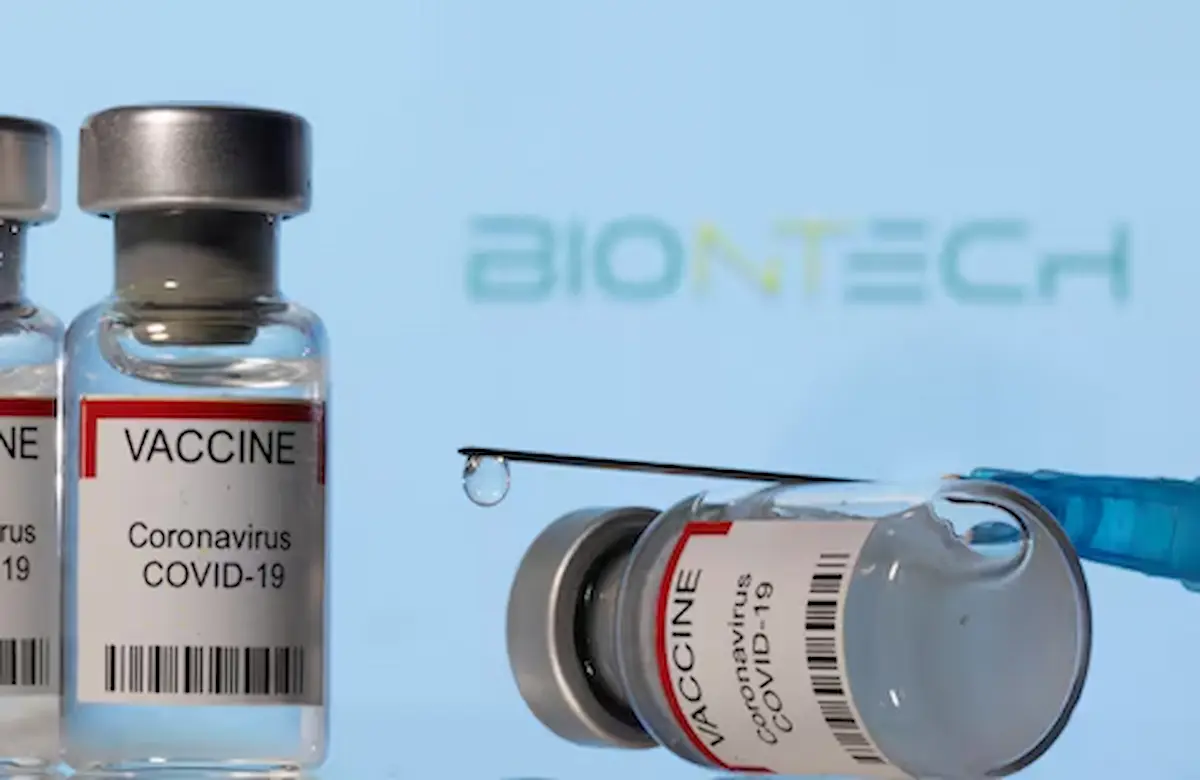
The landscape of global health was transformed by the rapid development of mRNA technology during the pandemic. However, the legal aftermath has moved from laboratories to courtrooms. In a significant escalation of legal tensions, BioNTech has filed a lawsuit against Moderna, alleging that the latter infringed upon its foundational patents in the production of the Spikevax vaccine. This BioNTech vs Moderna Patent infringement case represents one of the most high-profile instances of IP litigation in the modern pharmaceutical era.
The Core of the BioNTech vs Moderna Patent Infringement
The lawsuit centers on the specialized methods used to deliver genetic instructions into human cells. While both companies successfully deployed mRNA vaccines, BioNTech claims that Moderna utilized proprietary technology that BioNTech and its partner Pfizer had already established and protected. Specifically, the legal challenge focuses on lipid nanoparticle delivery systems and specific chemical modifications of the mRNA strand that allow the body to recognize the vaccine without triggering an adverse immune response.
When a company invests billions into research and development, they secure their inventions through patents. BioNTech alleges that the Moderna Patent Infringement occurred because Moderna bypassed the licensing process for these critical innovations. From a legal standpoint, the case is not just about who made the vaccine first, but who owns the rights to the underlying scientific architecture that made the vaccines possible.
Understanding IP Infringement in Biotechnology
In the world of life sciences, IP infringement is a complex matter. It is rarely about copying a finished product and more about the unauthorized use of specific, patented processes. BioNTech asserts that its intellectual property was the “blueprint” that Moderna utilized to accelerate its own vaccine production.
This instance of IP litigation highlights the thin line between collaborative scientific progress and the protection of commercial assets. BioNTech is seeking fair compensation for what it describes as the use of its intellectual property. They have clarified that the lawsuit does not aim to remove Spikevax from the market or limit patient access, but rather to ensure that the legal rights of the original innovators are respected.
Read Also: Strategic Move in Energy Innovation: EPO and IEA Sign New MoU Agreement in Paris
Moderna’s Defense and the Legal Stakes
Moderna has historically maintained that its technology was developed independently. They have previously pointed to their own extensive patent portfolio, suggesting that their methods were unique and predated the specific claims made by BioNTech. The court must now analyze thousands of pages of scientific data to determine if the BioNTech vs Moderna Patent infringement case claims hold up under the scrutiny of patent law.
One of the complexities of this BioNTech vs Moderna Patent infringement case is the “pledge” Moderna made early in the pandemic not to enforce its own patents while the global crisis was at its peak. However, as the world transitioned out of the emergency phase, the gloves came off. BioNTech argues that while the pandemic required speed, the post-pandemic era requires legal accountability and the proper licensing of proprietary tech.
Why This Case Matters for the Future
The outcome of this IP litigation will set a massive precedent for the future of mRNA medicine. mRNA is currently being tested for applications in cancer treatment, malaria vaccines, and heart disease therapies. If the court finds that IP infringement took place, it could result in significant royalty payments and influence how biotech companies collaborate or compete in the future.
For the average observer, this might seem like a battle between two giants, but the implications reach further. It defines the “rules of the road” for innovation. If patents are not protected, companies may be less willing to invest in the high-risk research required for the next medical breakthrough. Conversely, if patent boundaries are too broad, they could stifle competition and keep drug prices high.
Conclusion
The BioNTech vs Moderna Patent infringement case is a reminder that even the most humanitarian scientific achievements operate within a strict legal framework. As the proceedings move forward, the focus will remain on whether Moderna utilized BioNTech’s protected innovations without permission. This high-stakes battle over Moderna Patent Infringement will likely take years to resolve, but it will ultimately clarify the ownership of the technology that saved millions of lives.
By navigating the intricacies of Intellectual Properties infringement through the court system, these companies are seeking a definitive ruling on the value of mRNA innovation. For now, the legal community and the pharmaceutical industry remain watchful, as the verdict will undoubtedly shape the next decade of medical advancement.
Read More: Tesla Loses CAFC Appeal in EV Charger Patent Dispute