
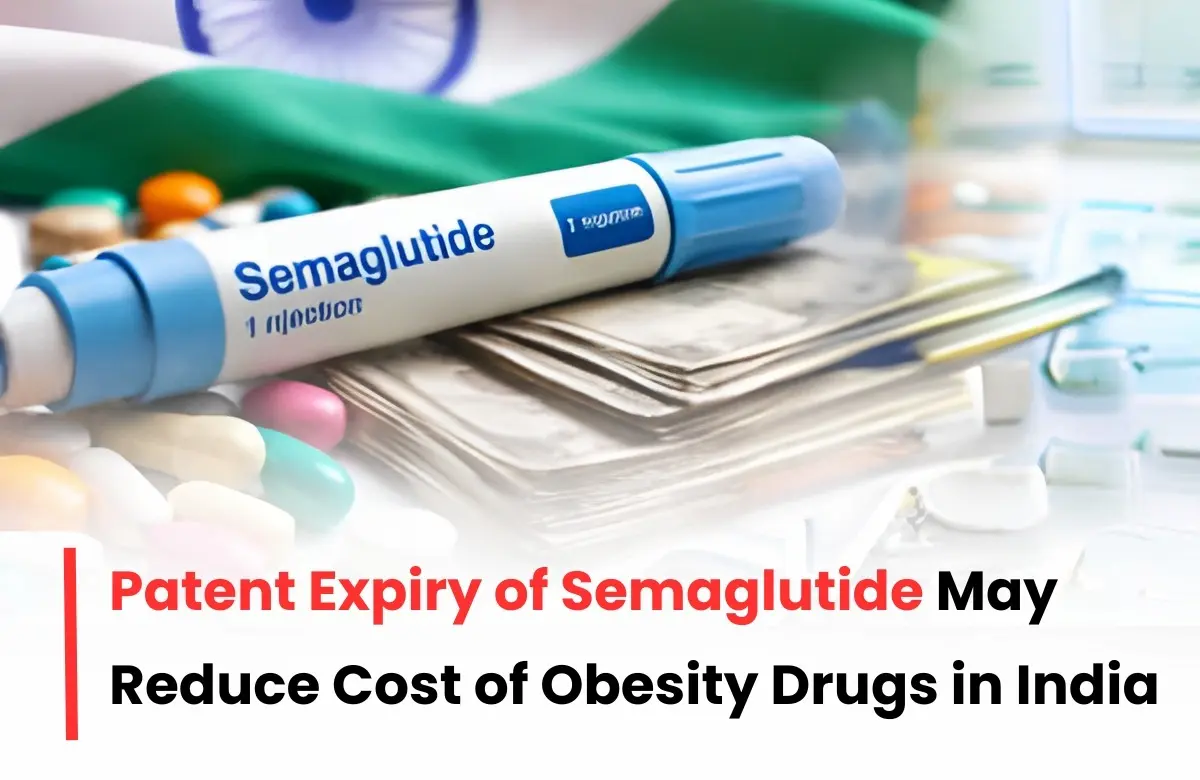
The pharmaceutical landscape in India is on the verge of a significant transformation. As the global demand for effective weight-management solutions continues to soar, a critical legal milestone is approaching that will redefine accessibility for millions of patients. The anticipated Semaglutide patent expiry in India is set to open the gates for generic manufacturers, promising a substantial reduction in the cost of life-changing medication.
Understanding the Role of Intellectual Property in Pharmaceuticals
To understand why this shift is occurring, one must first look at the mechanism of IP Protection that governs the pharmaceutical industry. When a company develops a new drug, they invest years of research and billions of dollars into clinical trials. To recover these costs, they seek a patent, which grants them exclusive rights to manufacture and sell the drug for a specific period, usually twenty years from the date of the initial Patent Filing.
During this period of exclusivity, the patent holder can set prices without competition from generic versions. While this system incentivizes innovation, it often makes advanced treatments like Semaglutide prohibitively expensive for the general population in developing nations. In India, where out-of-pocket healthcare spending is high, the cost of branded weight-loss injections has remained a significant barrier for many who need them.
The Impact of Semaglutide Patent Expiry in India
Semaglutide, the active ingredient in popular drugs like Ozempic and Wegovy, has revolutionized the treatment of type 2 diabetes and obesity. However, as the legal protections surrounding the molecule begin to lapse, the Indian market is preparing for a wave of affordable alternatives. The Semaglutide patent expiry in India represents a “patent cliff,” a moment when a branded drug loses its legal monopoly, leading to a sharp decline in price as generic competitors enter the market.
Legal experts and industry analysts note that Indian pharmaceutical giants are already positioning themselves to capitalize on this transition. By filing their own abbreviated applications for generic versions, these companies aim to provide the same therapeutic efficacy at a fraction of the current cost. This shift is not merely a commercial event but a public health milestone that aligns with India’s reputation as the “pharmacy of the world.”
Read Also: Archer Aviation Sues Vertical Aerospace for eVTOL Patent Infringement
Legal Nuances of Patent Filing and Generic Entry
The process of transitioning from a patented drug to a generic one involves rigorous legal and regulatory scrutiny. Even as the primary Semaglutide patent expiry in India approaches, originators often attempt to extend their exclusivity through secondary patents or “evergreening” strategies. This involves a new Patent Filing for specific delivery methods, dosages, or formulations.
However, India’s patent laws, specifically Section 3(d) of the Patents Act, are designed to prevent the granting of patents for mere discoveries or minor improvements that do not enhance efficacy. This legal framework ensures that Trademark and Patent Protection serve the interest of genuine innovation rather than indefinitely delaying the entry of affordable generic drugs. For the average consumer, this means that once the core patent expires, the legal path for generic manufacturers becomes much clearer.
Economic Implications for Patients and Healthcare
The primary benefit of the Semaglutide patent expiry in India is the democratization of healthcare. Currently, the high cost of branded Semaglutide means it is often reserved for the affluent. Once generic versions hit the shelves, the price is expected to drop by 70% to 80%.
Increased competition will drive these prices down further, making weight-management treatments accessible to a broader demographic. This is particularly vital in India, which is witnessing a rise in lifestyle-related metabolic disorders. When the burden of IP Protection is lifted via the natural expiration of the patent term, the market shifts from a monopoly to a competitive environment where the patient is the ultimate beneficiary.
Conclusion: A Balanced Legal and Social Outlook
The upcoming Semaglutide patent expiry in India highlights the delicate balance between rewarding innovation and ensuring public access to medicine. While the initial Patent Filing was necessary to bring the drug to life, the conclusion of its legal protection marks the beginning of its greatest social impact.
As we move toward a future with cheaper weight-loss drugs, the importance of a robust legal framework for IP Protection remains clear. It provides the incentive to create, while the expiration of those rights provides the opportunity to heal at scale. For India, the end of this patent term is not just a legal technicality, it is a significant step toward a healthier and more equitable society.