
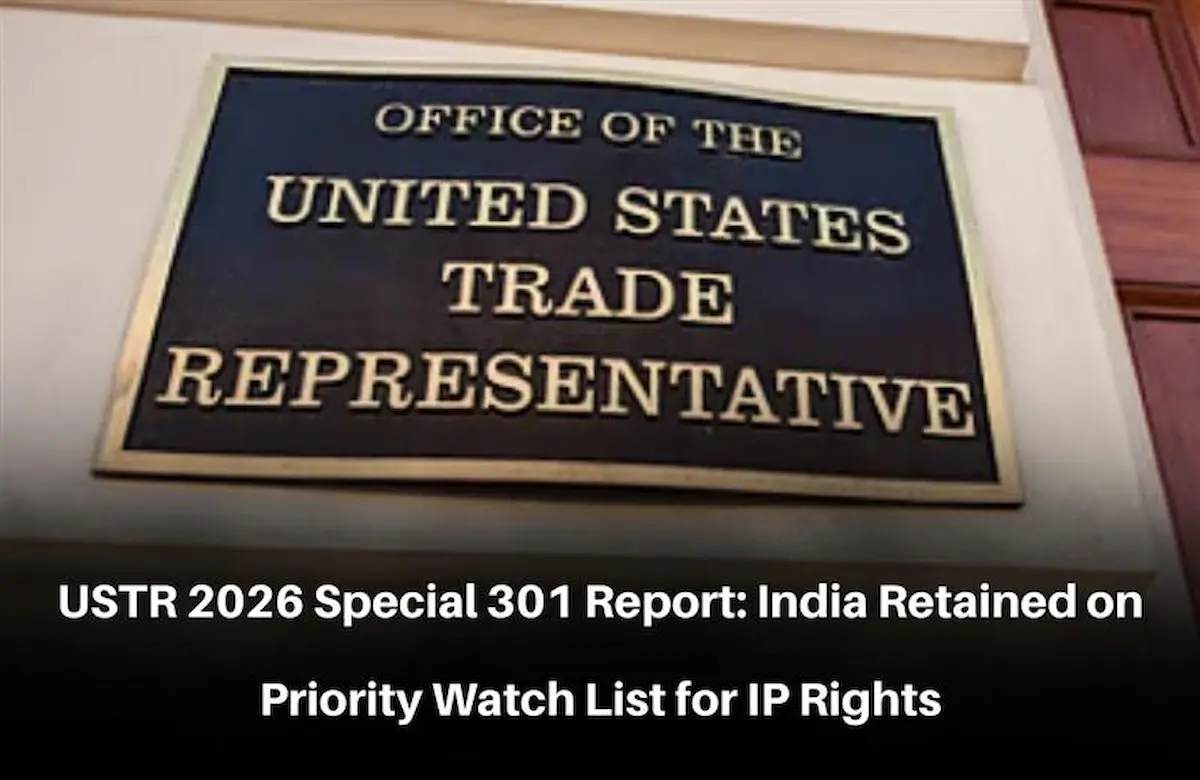
The U.S. Trade Representative (USTR) just dropped the US Special 301 Report India, its annual review of how the world handles intellectual property. Once again, the US Special 301 Report India section paints a familiar picture: the country stays on the Priority Watch List. It’s a clear signal that Washington still isn’t happy with how India protects ideas and inventions. Some paperwork got faster last year, sure. But the big problems facing American creators? Those haven’t changed much.
Understanding the Implications of India on US Priority Watch List Status
Why does keeping India on the US priority watch list actually matter? Think of it as a formal “needs improvement” grade from a major trading partner. This congressionally mandated report flags countries that either failed in Patent Protection or block fair market access. For India, this isn’t exactly a surprise, but it does show a stubborn gap between local laws and global standards. India is a massive market. Everyone knows that. But the USTR argues that its current rules act as a roadblock for trade.
Analyzing Key Deficiencies in the Current Landscape of IP Protection
The USTR’s critique hits hard on systemic flaws in India’s framework for IP Protection. Piracy is rampant online, and you can find counterfeit goods in almost any physical market. If you’re a trademark owner trying to fight back, you’ll likely hit a wall of bureaucracy. Courts are slow. The backlog is massive. Because of this legal fog, many tech firms see IP Protection in India as too risky, which can scare off the very investment the country wants to attract.
Examining the US Special 301 Report India and Pharmaceutical Patenting Issues
A huge chunk of the US Special 301 Report zooms in on India’s medicine. The U.S. has a long-standing beef with Section 3(d) of the Indian Patents Act. Basically, this rule makes it tough to patent “new versions” of old drugs. While India sees this as a win for affordable medicine, the U.S. views it as a barrier to innovation. Pharmaceutical companies spend billions on research. Without a predictable way to secure patents, they argue, the math just doesn’t add up.
Read Also: The 2026 WIPO Blueprint: How Bandai Namco Masters Global Trademark Success
Evaluating Enforcement Challenges for India on US Priority Watch List
Rules are only as good as the people enforcing them. That is the main reason for keeping India on US priority watch list for another year. India has the laws, but they aren’t applied the same way in every state. It’s inconsistent. Goods slip through ports with very little risk of being stopped. The USTR wants to see better training for police and customs officers. If they can’t seize fake goods at the border, the rest of the law doesn’t carry much weight.
Future Outlook for Strengthening the Framework of IP Protection in India
How does India fix this? It starts with a real conversation. The USTR is open to talking through the Trade Policy Forum to settle these old grudges. We could see a faster trademark office or new laws to fight digital piracy. If India tackles the specific complaints in this report, it could build a much safer playground for global inventors.
Conclusion on the Recent Findings Regarding US Special 301 Report India
The 2026 update proves that cleaning up the global IP space is a marathon, not a sprint. The US Special 301 Report India shows a tug-of-war between a rising economic power and a country demanding strict legal standards. India is growing fast. But to move off that watch list, it has to decide if it’s ready to change the rules of the game. Clearer laws mean a more secure future for everyone’s ideas.