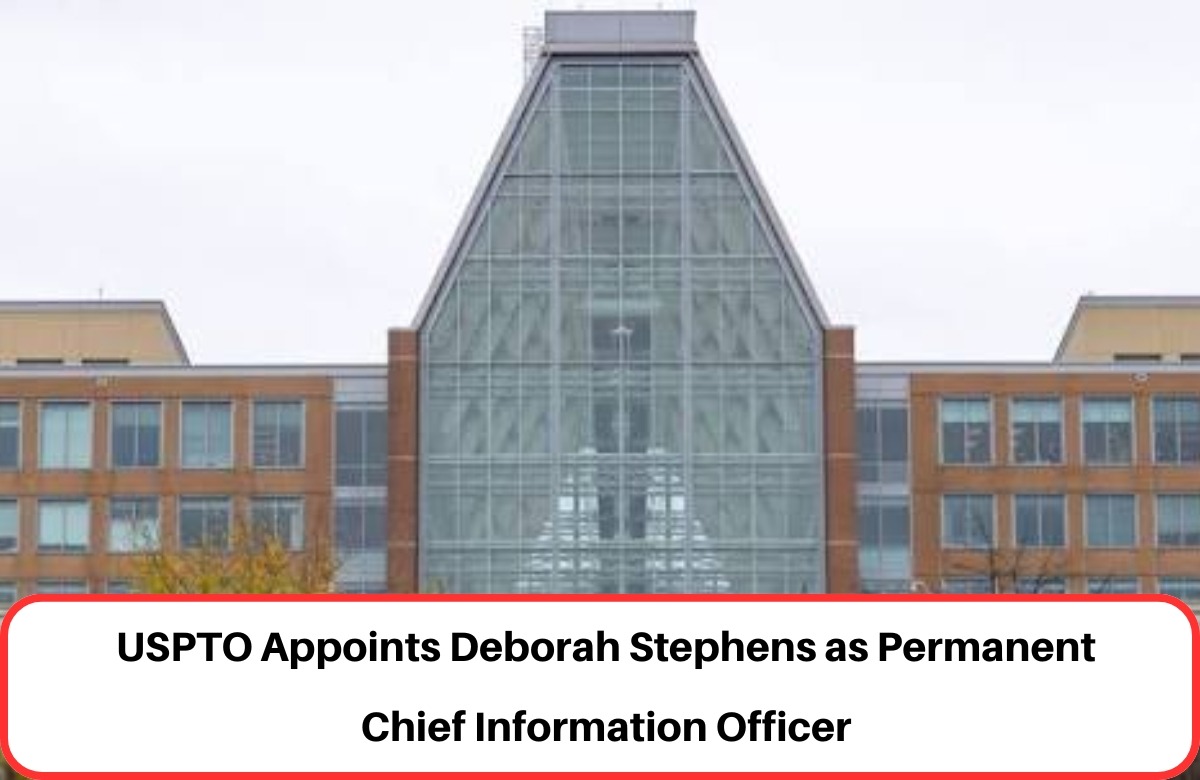
The United States Patent and Trademark Office (USPTO) has officially named Deborah Stephens as its permanent Chief Information Officer (CIO). She previously held the role in an interim capacity as the Acting CIO. In her official role as the USPTO Chief Information Officer, she serves as the principal advisor to the agency on the design, development, and administrative management of its information systems and digital infrastructure. Why does this matter to the legal community? With Deborah Stephens appointed CIO, the agency secures a leader with over 25 years of internal agency experience. This transition provides critical organizational continuity. As the USPTO CIO Deborah Stephens will oversee the technical architecture that directly supports the statutory examination and registration of intellectual property assets in the United States.
The Professional Background of the USPTO Chief Information Officer
The career of the newly designated USPTO Chief Information Officer is rooted in long-term administrative service within the federal intellectual property framework. Over a 25-year tenure, Stephens has held multiple senior executive roles intersecting with patent administration.
Before she was appointed Acting CIO, she served as the Assistant Commissioner for the Office of Patent Information Management. In that post, she directed technology modernization efforts built for the patent examination corps. But her experience goes deeper. She also served as a Deputy Commissioner for Patents. This role provided her with direct insight into the operational demands of patent examiners and practitioners who practice before the agency.
Her career has focused on aligning technology infrastructure with the legal and procedural mandates of federal intellectual property laws. And the legal community has noticed. In 2023, she received the Roger W. Jones Award for Executive Leadership from American University. Outside her federal service, Stephens has spent 18 years volunteering with the Girl Scouts of the USA, showing a commitment to community alongside her technical career.
Read Also: PCT Application Mistakes: How to Protect Your Global Filing Date in 2026
Key Technological Milestones Secured Under the USPTO CIO Deborah Stephens
During her tenure managing the technology infrastructure, the agency introduced several systemic upgrades. With the USPTO CIO Deborah Stephens directing these initiatives, the office shifted from project-based IT management to a product-oriented operating model. It’s a change designed to streamline how inventors, legal practitioners, and trademark applicants interact with federal data systems.
Under her administrative direction, the agency secured several technological milestones:
- Decommissioned obsolete legacy systems within the patent and trademark divisions to integrate modern digital services.
- Migrated 60 percent of information technology systems to cloud environments, improving system stability and data security.
- Deployed new artificial intelligence tools across the agency and launched specialized AI training programs for the federal workforce.
- Launched the public Open Data Portal, providing access to 40 terabytes of historical and contemporary innovation data.
These updates directly impact the processing speed and security of intellectual property applications. They keep the public record stable.
Read Also: Thailand’s Princess Sirivannavari Appointed WIPO Ambassador for Fashion and Design
Future Strategic Direction with Deborah Stephens Appointed CIO
With Deborah Stephens appointed CIO permanently, the agency is positioned to manage ongoing digital demands within the intellectual property sector. The office must maintain systems that operate continuously. It’s a high-stakes environment serving global applicants who file patent and trademark documents. Modern technology remains critical for managing the high volume of statutory filings submitted to the federal government each year.
As the permanent CIO, Stephens will guide the technology teams as they deploy cloud solutions and expand digital tools across all business units. But the ultimate goal remains statutory compliance. Stabilizing these systems supports the legal framework of the agency by securing digital records and facilitating the examination process. Her permanent oversight ensures that the technological strategy of the organization remains aligned with federal mandates on data protection, public access, and operational transparency.
Read Also: EUIPO Releases Updated Generative AI Guidelines for Responsible Use