
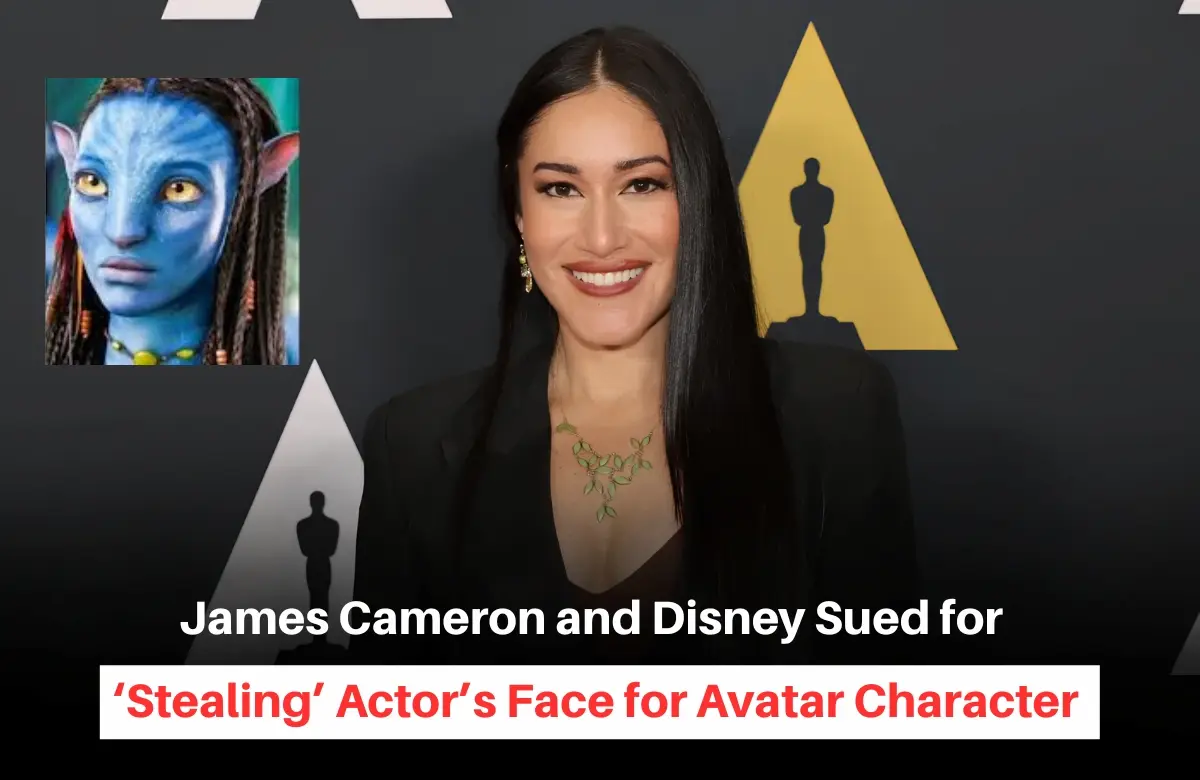
Hollywood’s obsession with digital perfection has hit a major legal roadblock. A new lawsuit against James Cameron and Disney claims the studio took an actress’s face without asking. It’s a bold allegation. The James Cameron Avatar lawsuit argues that “Avatar” filmmakers used high-tech scans and motion capture to build a character that looks exactly like a real person, but they didn’t pay for it or get the right signatures. As studios rely more on artificial intelligence, this James Cameron Avatar lawsuit shows how messy the rules for IP Protection have become for human performers.
Breaking Down the Serious Allegations in the James Cameron Avatar Lawsuit
The story starts in a technical workshop. A veteran character actress claims he went in for a few tests, but his unique facial features and expressions were “harvested” for a lead role in the latest Avatar movie. He says he never signed a contract giving them his biological data for a final film. Essentially, the studio allegedly used him as a digital blueprint.
This James Cameron Avatar lawsuit claims Disney skipped the usual casting and licensing steps. By turning his face into a digital template, they created a photorealistic character that mimics his specific look. Because the actresses didn’t give consent, his legal team is calling it a blatant misappropriation of his identity. It’s a move that could force studios to rethink how they manage digital assets.
Read Also: Dua Lipa Sues Samsung for $15 Million Over Unauthorized TV Box Image
Analyzing the Core Legal Issues of an Avatar Likeness Lawsuit
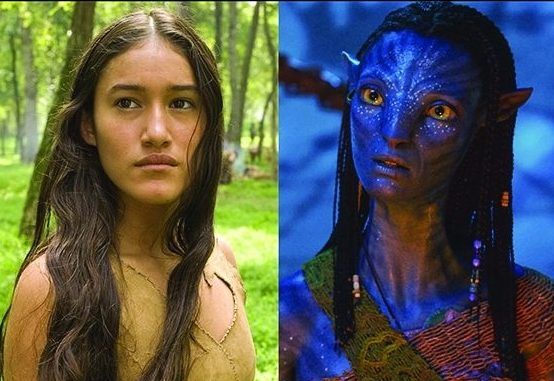
What makes an Avatar likeness lawsuit so tricky? It usually comes down to whether a digital character is a brand-new creation or just a stolen image. The plaintiff’s lawyers argue the character is instantly recognizable to anyone who knows the actress’s work. They claim that “stealing” a face through 3D scanning is a direct breach of personal intellectual property.
But Disney and Cameron’s team will likely fight back. They’ll probably argue that the character is a mix of work from hundreds of artists. However, an Avatar likeness lawsuit like this forces a judge to decide where a person’s face ends, and a studio’s copyright begins. It’s a vital distinction. If studios can just digitize anyone, actresses might see their careers replaced by digital versions they don’t even own.
The Growing Need for Better IP Protection in Modern Filmmaking
Technology is moving fast, and IP Protection laws are struggling to keep up. In the old days, intellectual property meant scripts or songs. Now, it covers an actress’s “biometric signature.” We need better Copyright Protection to make sure studios don’t treat human faces like cheap raw materials.
If we don’t have strong IP Protection rules, actresses will lose control over their most valuable asset. Their face. This case is a loud wake-up call for production companies to get explicit permission before they use performance-capture tech. It’s going to change how future contracts look. In the future, a “digital twin” should be treated with the same legal respect as a copyrighted book or a brand name.
How Frequent IP Litigation is Changing the Entertainment Industry
We’re seeing more IP Litigation over digital clones lately. It shows that the power balance in Hollywood is shifting. When a big name like James Cameron gets sued, it tells us the legal world is ready to fight back against the “fair use” excuse in digital effects. This specific IP Litigation proves we need clear lines between trying out new tech and making money off someone’s image.
Through IP Litigation, the courts can set a new standard that protects a worker’s identity. If the actress wins, studios might have to change how they store and reuse motion-capture data. They might even have to pay long-term royalties for digital use, just like they do for a real person on screen.
Read Also: Zee Entertainment Files $3M Lawsuit Against Reliance-Disney for Music Copyright Breach
What the Results of this Avatar Likeness Lawsuit Mean for Everyone
Every major studio is watching this Avatar likeness lawsuit right now. If the plaintiff wins and proves his face was used as a “map” for a CGI alien without his okay, it proves that a human likeness is property that must be protected. The courts have to decide if a blue, digital alien still belongs to the person it was modeled after.
At the end of the day, the James Cameron Avatar lawsuit isn’t just about one movie. It’s a fight for individual rights in a world full of digital copies. Moving forward, IP Protection and the rise of Trademark and Patent Litigation will be the biggest topics in entertainment law. We have to make sure actress’s get paid for their digital selves. It’s not just about the money; it’s about doing the right thing as movies get more advanced.