
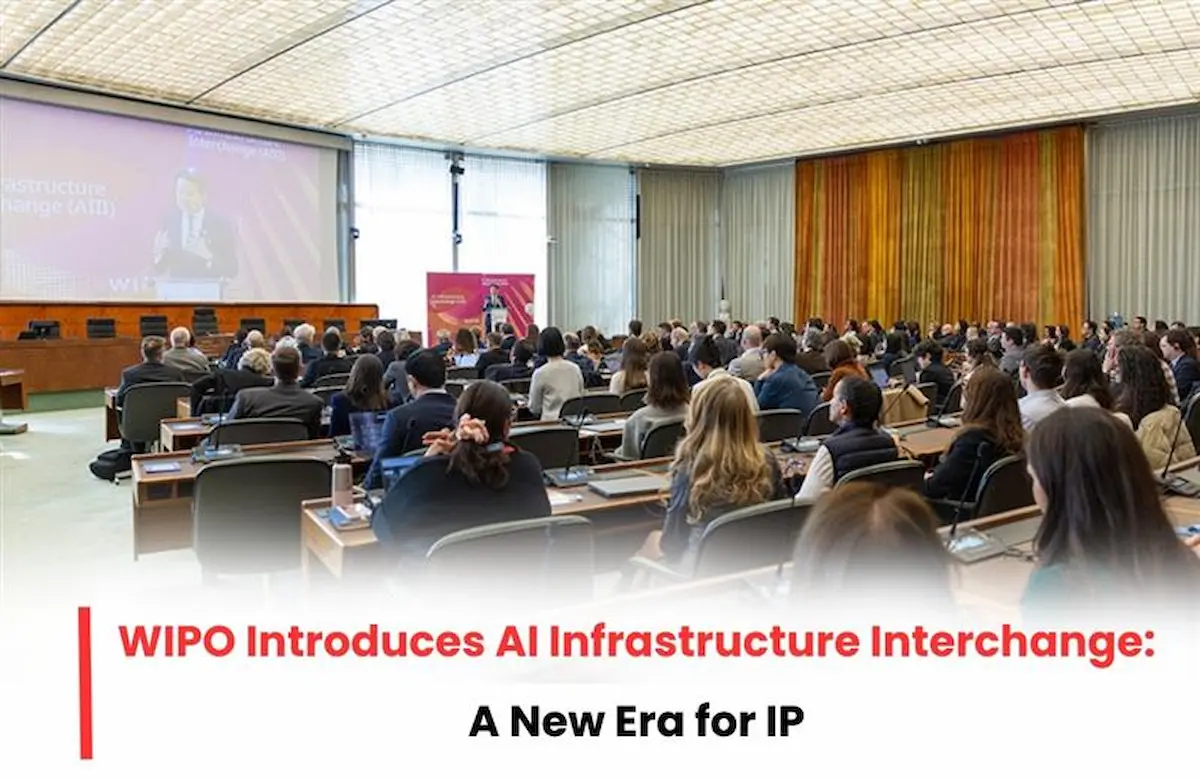
The global landscape of innovation reached a transformative milestone on March 17, 2026, as the World Intellectual Property Organization officially introduced a pioneering initiative to address the technical complexities of the digital age. This new platform, known as the WIPO AI Infrastructure Interchange, was unveiled at the organization’s headquarters to establish a structured, technical dialogue between technology developers and the global creative community. By creating this specialized forum, the organization aims to bridge the gap between rapidly evolving machine learning capabilities and the foundational systems that support human ingenuity.
The Strategic Importance of the WIPO AI Infrastructure Interchange in Geneva
The official launch of the WIPO AI Infrastructure Interchange in Geneva drew an impressive assembly of over 1,700 participants, including government ministers, industry leaders, and legal experts. During his opening address, WIPO Director General Daren Tang emphasized that while artificial intelligence possesses the transformative power to redefine innovation, it also necessitates a parallel evolution in our supporting systems. This gathering in Geneva served as a clear signal that the international community is ready to move beyond abstract policy debates and into the realm of practical, technical solutions. This initiative is designed to complement existing high-level discussions by focusing specifically on the operational “plumbing” of the global intellectual property world.
Read Also: Delhi High Court Scrutinizes Patent Office Over Prolonged Delay in Novartis Case
Enhancing IP Protection through Technical Standards and Interoperability
One of the core objectives of this new framework is to strengthen IP Protection by identifying and implementing robust technical standards for the digital era. Just as the development of standardized railway tracks allowed economies to scale in the past, the creation of interoperable digital metadata is essential for the modern creative economy to function correctly. By focusing on identification and attribution standards, the interchange seeks to ensure that creators remain at the center of the technological shift. Effective IP Protection today depends on the ability of disparate systems to communicate across borders, ensuring that rights holders are accurately identified and compensated regardless of where their work is accessed or utilized by machine learning models.
Detailed Objectives of the WIPO AI Infrastructure Interchange
The WIPO AI Infrastructure Interchange will focus its energy on several critical areas that directly impact the daily operations of the intellectual property system. These include facilitating secure access to data at scale and developing advanced fingerprinting and watermarking techniques to verify content origins. By standardizing these technical tools, the initiative provides a clearer path for developers to respect existing works while continuing to innovate. This technical focus is not intended to set new legal precedents or norms but rather to provide a neutral space where the mechanics of rights management can be refined to meet the demands of generative technologies.
Read Also: Enveric Biosciences Announces Registration of Five Trademarks with CIPO in Canada
Global Collaboration for Reliable IP Protection and Innovation
To ensure that the digital ecosystem remains sustainable, the initiative places a heavy emphasis on collaborative Trademark and Patent Protection strategies involving both technology firms and individual creators. The launch event featured insights from diverse stakeholders who highlighted the need for transparency in how automated systems interact with protected content. By fostering an environment of cooperation, the interchange aims to build a “trust infrastructure” that benefits all parties involved in the creative process. This collaborative approach is vital for maintaining a balance where innovation flourishes without undermining the legal safeguards that protect the investments and efforts of human innovators.
Establishing a Technical Exchange Network for the WIPO AI Infrastructure Interchange in Geneva
A defining feature of the WIPO AI Infrastructure Interchange in Geneva is the assembly of the Technical Exchange Network, which consists of over 90 experts from dozens of countries. This group includes representatives from academia, civil society, and the private sector who will undertake a comprehensive mapping exercise of existing copyright protection systems. The network is tasked with identifying the specific technical challenges arising from the intersection of artificial intelligence and the creative economy. Their findings will be shared during an annual public meeting scheduled for October 2026, providing Member States with the technical evidence needed to make more informed policy decisions in the future.
Read Also: Delhi High Court Scrutinizes Patent Office Over Prolonged Delay in Novartis Case
Future Prospects for Global IP Infrastructure and Artificial Intelligence
The introduction of the WIPO AI Infrastructure Interchange marks the beginning of a new chapter in how the world manages the relationship between technology and law. As generative technology continues to advance, the need for a practical forum that addresses operational realities becomes even more pressing. By focusing on the tangible elements of the IP system, such as digital identifiers and content recognition, WIPO is ensuring that the infrastructure of the future is as resilient as it is innovative. This initiative ultimately empowers creators by providing the tools necessary to navigate a digital world where the boundaries of innovation are constantly being expanded.