
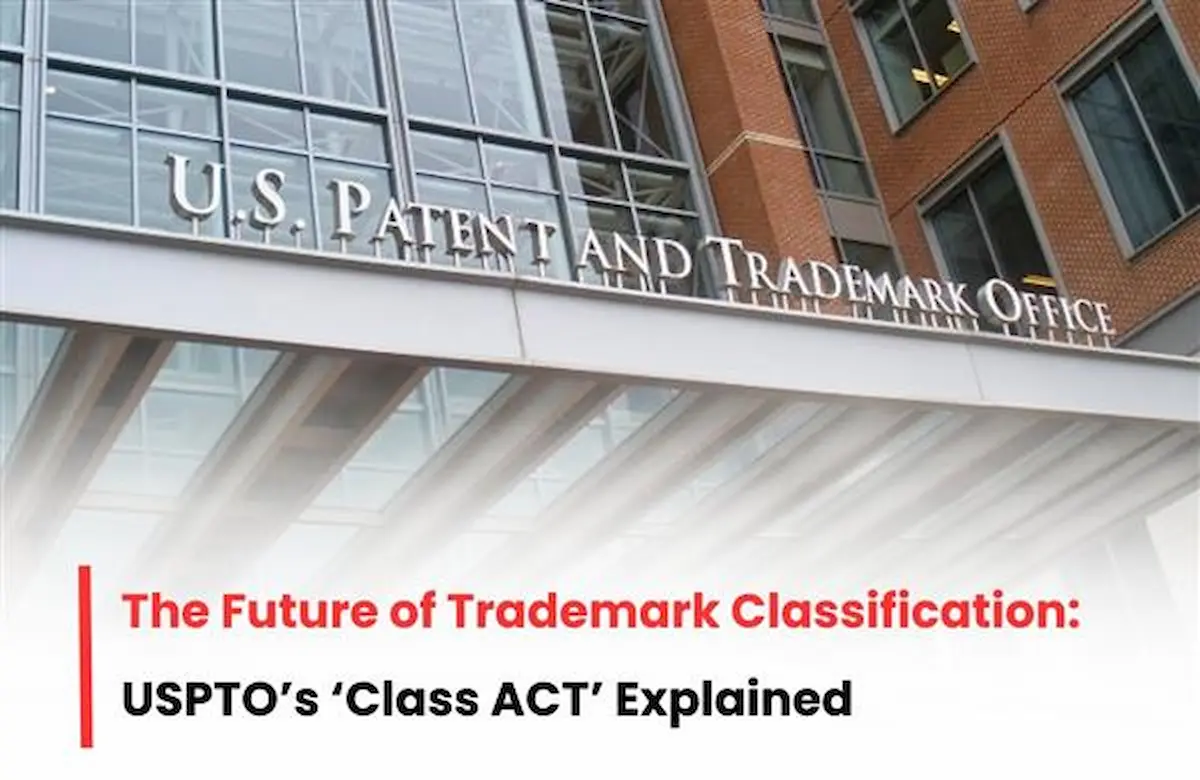
The United States Patent and Trademark Office recently achieved a significant milestone in the modernization of intellectual property administration. With the official launch of the Trademark Classification Agentic Codification Tool, or USPTO Class ACT, the agency is leveraging artificial intelligence to overhaul the traditionally labor-intensive pre-examination phase. This advancement represents a strategic shift toward agentic AI, where specialized digital agents perform complex tasks to expedite the Trademark Registration process.
Understanding the Role of the USPTO Class ACT in Modern IP Management
The USPTO Class ACT is a sophisticated AI agent designed to automate the assignment of international classes to trademark applications. Historically, when an application was submitted without a clear classification or contained complex design elements, manual intervention was required to categorize the goods or services. By implementing the USPTO Class ACT assistant, the office has effectively reduced a workflow that previously took five months down to a matter of minutes. This efficiency ensures that the foundational data of an application is accurate and searchable almost immediately after filing.
How the USPTO AI Trademark Tool Enhances Design Search Capabilities
Beyond simple categorization, the USPTO AI trademark tool excels at assigning design search codes and generating pseudo marks. For applicants seeking Trademark Registration for logos or unconventional spellings, these codes are vital because they allow examining attorneys and the public to find potentially conflicting marks. The USPTO AI trademark tool utilizes computer vision and natural language processing to identify visual components within a logo, ensuring that the database remains comprehensive and navigable without the long backlogs once associated with manual coding.
Improving the Accuracy and Speed of the Trademark Registration Process
The ultimate goal of integrating AI into the federal workflow is to provide a more seamless experience for stakeholders involved in Trademark Registration. By handling the difficult hurdles of data entry and classification, the AI allows human examining attorneys to focus their expertise on substantive legal issues and the final determination of registrability. This hybrid approach ensures that while the speed of the process is significantly increased, the high standard of legal review remains intact, as human examiners still oversee the AI output to maintain quality control.
Future Implications of the USPTO Class ACT for Legal Practitioners
The introduction of USPTO Class ACT marks only the beginning of a broader technological roadmap for the agency. Legal practitioners and brand owners can expect a more transparent and predictable application lifecycle as more agentic tools are deployed. By removing the five-month delay in the pre-processing stage, the USPTO is setting a new global standard for how intellectual property offices can use technology to serve the public interest. As these tools evolve, they will continue to lower the barriers to entry for entrepreneurs while safeguarding the integrity of the federal trademark register.
Read Also: Caleb Williams Files Trademarks for ‘Iceman’ Nickname and Play Silhouette
Summary of Benefits Provided by the USPTO AI Trademark Tool
In conclusion, the deployment of the USPTO AI trademark tool serves as a vital correction to the delays caused by the recent surge in filing volumes. Through the USPTO Class ACT assistant, the agency has demonstrated that AI, when applied with specific task-directed goals, can solve the most information-intensive aspects of IP management. For anyone navigating the complexities of the modern branding landscape, these updates signal a faster and more reliable path toward securing federal Trademark and Patent protection for their intellectual property.