
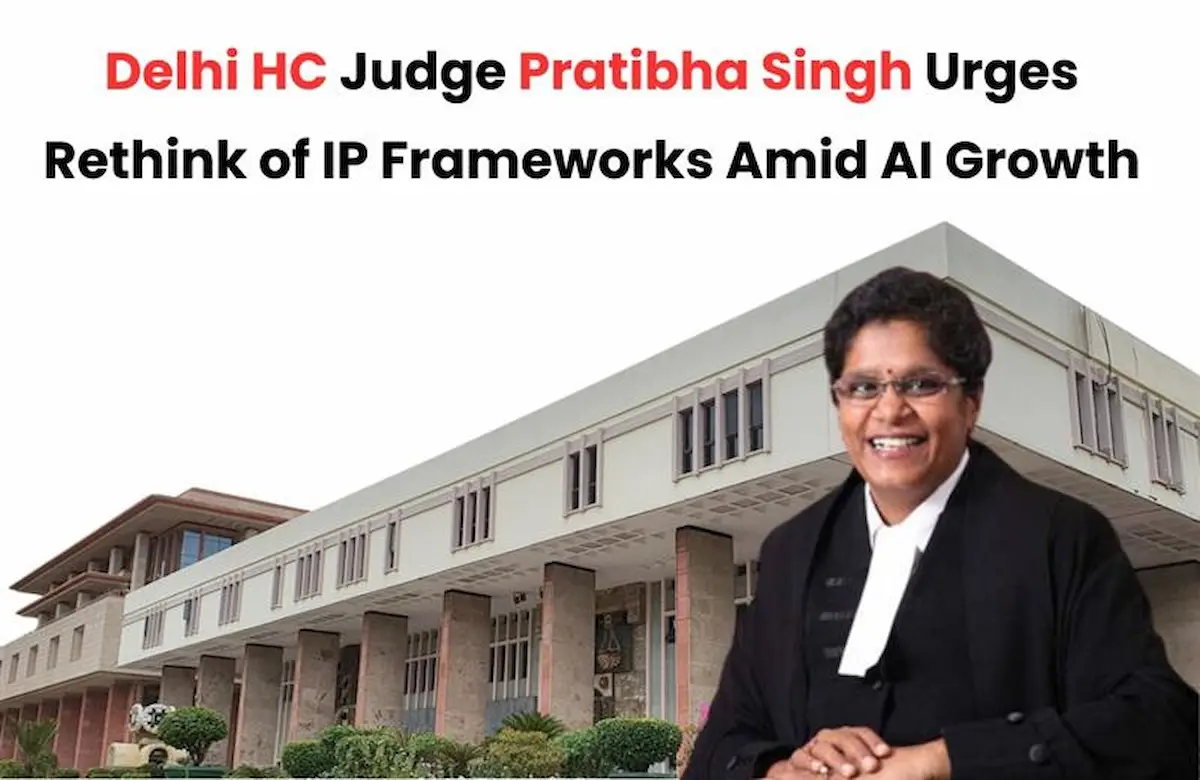
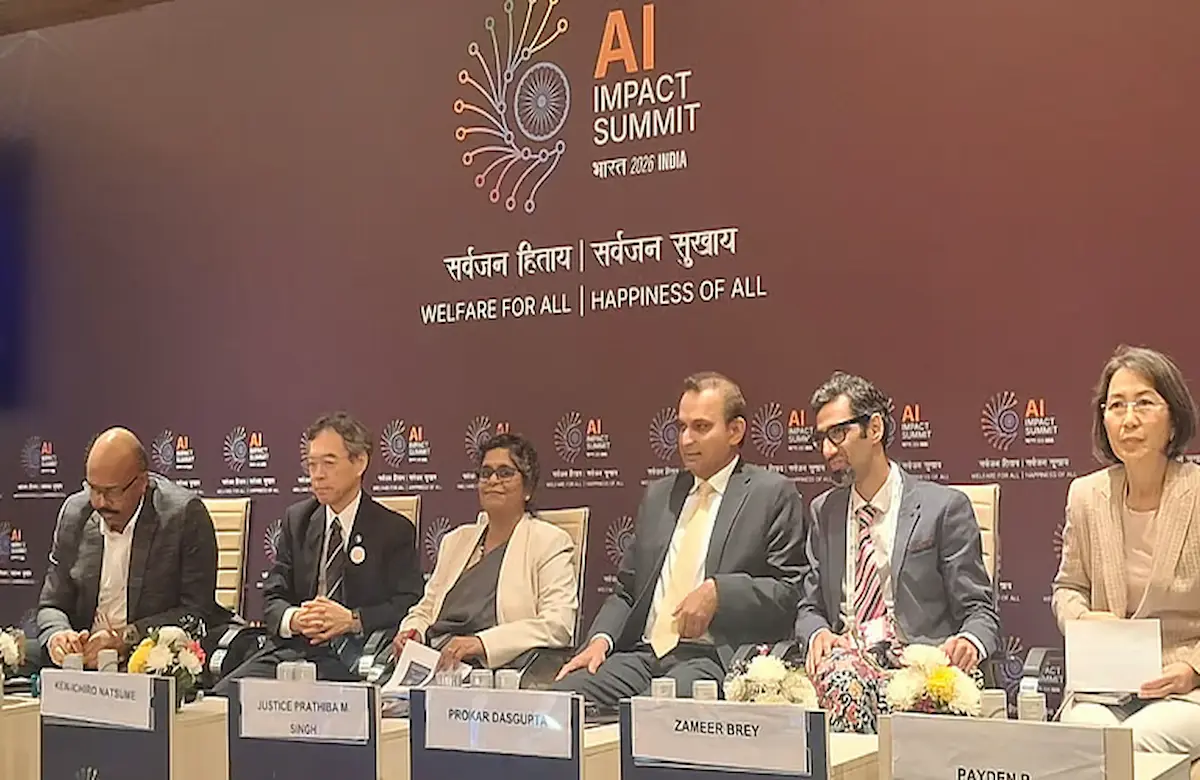
The rapid evolution of artificial intelligence is fundamentally altering the global technological landscape, forcing legal systems to reconsider long-standing doctrines. Recently, Justice Pratibha M Singh of the Delhi High Court emphasized that the current framework of intellectual property rights must undergo a significant transformation to remain relevant. Speaking at a high-level conference, she highlighted that as AI continues to blur the lines between human creativity and machine-generated output, the legal community must proactively address the resulting challenges.
Justice Pratibha M Singh is widely recognized as a leading authority on intellectual property law in India. Her insights come at a time when the legal fraternity is grappling with how to protect innovations that are no longer solely the product of human intellect. The core of her message was clear: the traditional laws designed for a physical and human-centric world are no longer sufficient for the digital age.
The Need For a New Legal Paradigm
According to Justice Pratibha M Singh on IP in the AI Era, the legal system cannot afford to be reactive. She noted that the “reinvention” of intellectual property is not just a suggestion but a necessity for economic and creative survival. In the current scenario, AI systems are capable of generating code, writing literature, and creating complex artworks. This raises a fundamental question about authorship and ownership.
Standard legal principles generally attribute ownership to a human creator. However, when an algorithm produces a unique work, the traditional definitions of an “author” or “inventor” are put to the test. Justice Pratibha M Singh argued that if the law does not evolve to recognize these nuances, it could lead to a vacuum in IP Protection that stifles investment and innovation.
Challenges in IP Litigation and Enforcement
One of the most significant hurdles in this transition involves the complexities of IP Litigation. As AI models are trained on massive datasets that often include copyrighted material, the potential for infringement claims has skyrocketed. Justice Pratibha M Singh pointed out that courts are now seeing cases where the boundaries of “fair use” are being pushed to their limits.
Effective IP Litigation in the age of AI requires judges and legal practitioners to have a deep understanding of technical processes. It is no longer enough to understand the law; one must also understand the data. The judge suggested that the complexity of these cases means that the judicial process must become more streamlined and technically informed to ensure justice is served swiftly.
Read Also: WWE Files Trademark Application for “Kai Kavari” – New Superstar Revealed?
Balancing Innovation and IP Protection
The balance between encouraging technological advancement and maintaining robust IP Protection is delicate. Justice Pratibha M Singh on IP in AI Era expressed that while AI is a tool for progress, it should not be allowed to undermine the rights of human creators. The goal of any reinvention should be to create a harmonious environment where both human ingenuity and machine efficiency can coexist.
In her address, she mentioned that India has the potential to lead the way in drafting these new standards. By creating a clear and predictable legal environment, the country can attract global tech leaders while ensuring that local creators are not exploited. Strengthening Trademark and Patent Protection ensures that the incentives for original research and development remain intact, even as machines take over more of the heavy lifting.
The Role of the Judiciary and Policy Makers
Justice Pratibha M Singh called upon policymakers and the legal community to collaborate on a framework that accounts for the “black box” nature of AI. Unlike traditional software, AI decision-making processes are often opaque, making it difficult to determine if a specific piece of protected data was used to generate a specific output.
This opacity directly impacts IP Litigation, as the burden of proof becomes harder to meet for the plaintiff. Justice Pratibha M Singh on IP in AI Era suggests that transparency in AI training and data sourcing might be a necessary requirement for future IP compliance.
Read Also: BioNTech Sues Moderna Over COVID-19 Vaccine Patent Infringement
Conclusion
The call for action by Justice Pratibha M Singh serves as a wake-up call for the global legal community. The era of AI is not a distant future; it is our current reality. To maintain the integrity of our creative and industrial sectors, the reinvention of intellectual property laws must be prioritized. By focusing on clarity, technical literacy, and a commitment to protecting the essence of innovation, the legal system can ensure that the AI revolution benefits society as a whole while respecting the fundamental principles of intellectual property.