
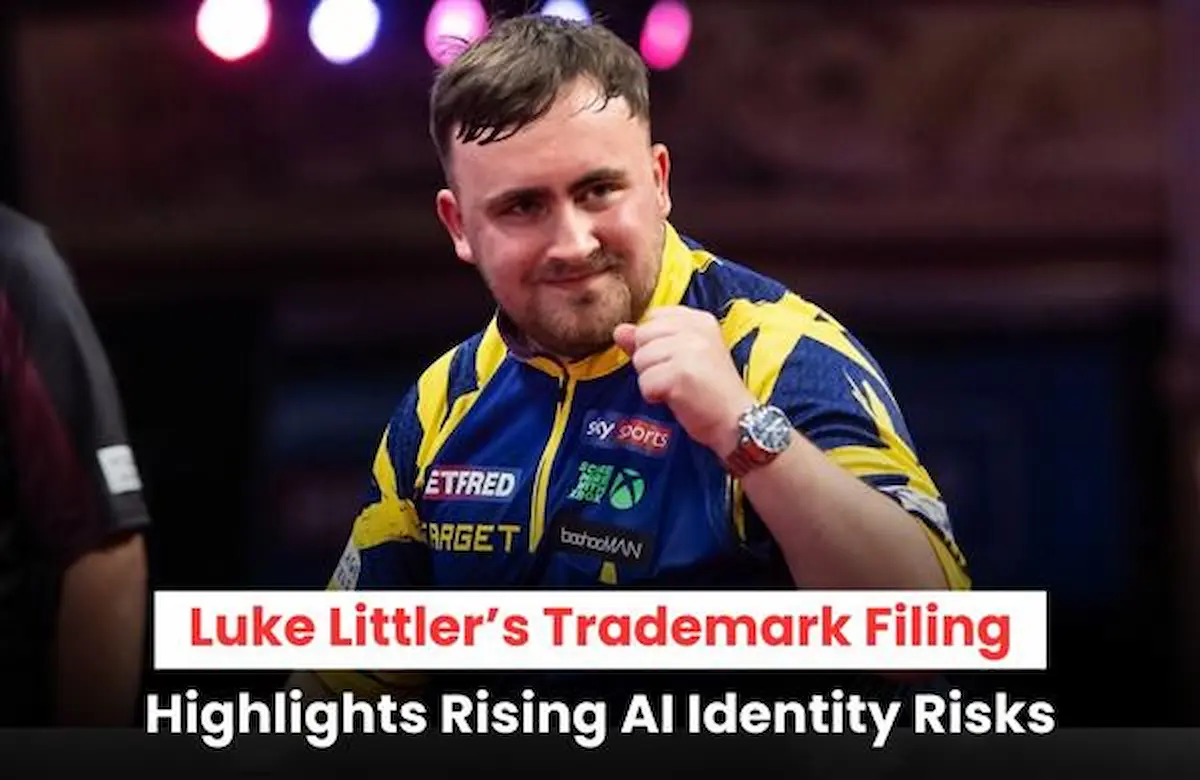
In the rapidly evolving digital landscape, the intersection of professional sports and intellectual property law has reached a new milestone. Darts sensation Luke Littler has taken a proactive step to secure his persona by filing for legal protection over his most recognizable asset: his own face. This move comes as a strategic response to the rising threat of digital manipulation and unauthorized commercial use. By seeking a Luke Littler Trademark, the young athlete is setting a legal precedent for how public figures can shield themselves against the complexities of modern technology, specifically the proliferation of AI-generated deepfakes.
The Legal Significance of the Luke Littler Trademark Application in Modern Sports
The decision to file a Luke Littler Trademark Application marks a significant shift in how athletes perceive their “image rights.” In legal terms, image rights refer to a person’s proprietary right to prevent the unauthorized commercial use of their name, likeness, or other personal indicia. By formally submitting an application to the Intellectual Property Office, Littler is not just protecting a logo or a brand name; he is seeking to establish a legal monopoly over the commercial reproduction of his facial features. This application is a necessary safeguard in an era where an athlete’s digital presence is often as valuable as their performance on the field or at the dartboard.
Read Also: Caleb Williams Files Trademarks for ‘Iceman’ Nickname and Play Silhouette
Protecting Personal Likeness Through Formal Trademark Registration and Intellectual Property Laws
The process of securing a Trademark Registration involves more than just filling out forms; it requires a clear definition of the “classes” of goods and services the mark will cover. For Luke Littler, this likely includes everything from apparel and sporting equipment to digital media and advertising services. Obtaining a Trademark Registration provides a robust legal framework that allows his legal team to issue “cease and desist” orders against any entity using his likeness without permission. This formal registration acts as a public notice of ownership, making it much easier to win legal disputes in court should a third party attempt to profit from his fame.
Combatting the Rise of AI Deepfakes with Luke Littler Trademark Protections
One of the primary drivers behind the Luke Littler Trademark strategy is the alarming pace of Artificial Intelligence’s advancement. Deepfake technology now allows bad actors to create hyper-realistic videos or images of celebrities endorsing products they have never used or saying things they never said. Without a specific Luke Littler Trademark Application on file, fighting these digital clones can be a legal nightmare involving complex “passing off” or defamation claims. However, with a registered trademark, the legal path is much clearer. Littler can claim trademark infringement, which is often a more direct and effective way to have unauthorized AI content removed from social media platforms and websites.
Strategic Branding and the Future of the Luke Littler Trademark Application
Beyond the immediate threat of AI, the Luke Littler Trademark Application is a vital component of long-term brand management. As his career continues to soar, the commercial value associated with his face will only increase. By initiating the Trademark Registration process early in his career, he ensures that his management team retains full control over his brand’s evolution. This prevents the “dilution” of his brand, which occurs when a name or face becomes so commonly used by others that it loses its unique association with the actual person. In the world of high-stakes sports marketing, maintaining this exclusivity is essential for securing lucrative, authentic endorsement deals.
Read Also: WIPO Artificial Intelligence Infrastructure Interchange (AIII) Launched in Geneva
Final Legal Considerations Regarding the Luke Littler Trademark and Digital Identity
The steps taken by Luke Littler represent a sophisticated understanding of contemporary IPR law. By focusing on a Luke Littler Trademark, he is addressing the reality that in the 21st century, a person’s face is a powerful commercial tool that requires the same level of Trademark and Patent protection as a corporate logo. While the law is still catching up to the capabilities of AI, using existing trademark statutes provides a reliable shield for athletes. As more public figures follow this lead, we can expect to see a surge in similar filings, as the Luke Littler Trademark Application serves as a blueprint for personal brand protection in the digital age. This proactive stance ensures that “The Nuke” remains the sole beneficiary of his hard-earned global recognition.