
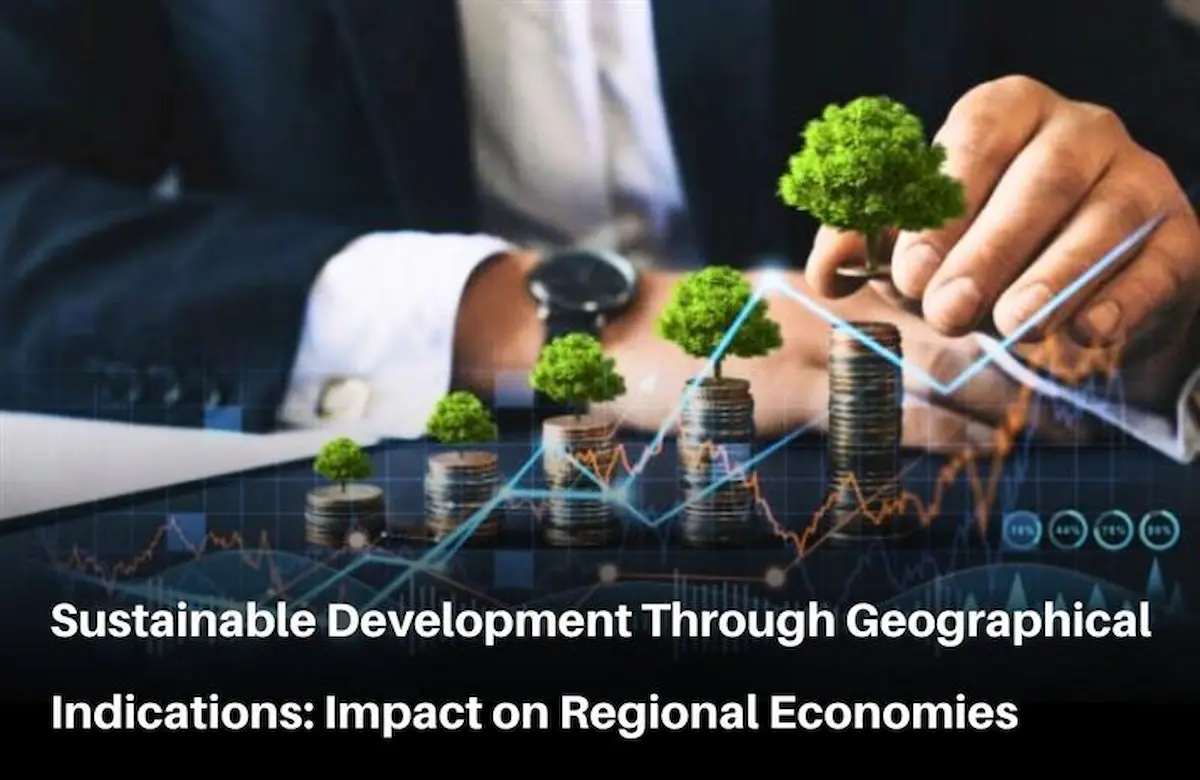
When we talk about the soul of a region, we usually point to its food, its crafts, and its land. In the legal world, we protect that soul through Geographical Indications and Sustainable Development strategies. A Geographical Indication (GI) is basically a promise that a product is the real deal, tied to a specific patch of earth. This does more than just stop fakes; it builds a bridge between making a living today and saving the planet for tomorrow. By giving a legal “home” to a product, we ensure that the people who made it can stay on their land and thrive.
Why We Connect Geographical Indications and Sustainable Development
The logic behind Geographical Indications and Sustainable Development is actually quite simple: you can’t have a famous local product if you destroy the locality. Think about a specific type of honey or a hand-woven fabric. If the bees die out or the local plants are over-harvested, the business vanishes. Because a GI is a collective right, it encourages every person in that area to act as a guardian of their environment. The law essentially rewards farmers and creators for being good neighbors to Mother Nature, turning green habits into a solid business plan.
Read Also: Trademark Objection vs Opposition: Key Differences Explained Simply for 2026
Helping Small Towns Grow with Better IP Protection Methods
Many rural areas struggle because big corporations can copy their traditional recipes and sell them for half the price. This is where IP protection comes into play as a vital shield. When a community secures Trademark and Patent protection, they are drawing a line in the sand. It tells the global market that “Champagne” must come from France and “Pashmina” must come from Ladakh. This legal wall keeps the profits inside the village instead of letting that wealth leak out to a factory thousands of miles away. It turns a local tradition into a high-value asset that supports families for generations.
Protecting the Environment through Geographical Indications and Sustainable Development
The most beautiful part of the link between Geographical Indications and Sustainable Development is how it protects the birds, the bees, and the soil. To keep their legal status, producers often must follow strict “Specifications of Product” (the legal recipe).
These rules often encourage or even mandate traditional, low-impact methods that forbid the kind of heavy chemicals or destructive habits that hurt the earth. By making Sustainable Development a part of the legal requirements for the product, the environment becomes a partner in the business.
Read Also: How AI Is Redefining IP Laws in 2026: Authorship and Ownership Explained
Keeping Nature Healthy Through Strict Legal Guidelines
The most beautiful part of the link between Geographical Indications and Sustainable Development is how it protects the birds, the bees, and the soil. To keep their legal status, producers often have to follow strict rules about how they farm or manufacture. These rules usually forbid the kind of heavy chemicals or destructive habits that hurt the earth. By making sustainability a part of the legal “recipe” for the product, the environment becomes a partner in the business. It is a way to ensure that the beauty of a region remains intact while the economy grows.
Building A Reliable Economy on the Foundation of Quality
In the end, a region’s economy is only as strong as its reputation. This is why managing your intellectual property is so important for the long haul. When a town decides to invest in IP protection, they are choosing quality over quantity. Instead of trying to sell millions of cheap, soulless items, they sell a smaller amount of something truly special. This path creates jobs that are steady and meaningful. It proves that you don’t have to choose between making money and being a good steward of the land; with the right legal tools, you can do both.
A Better Way Forward for Our Communities and the Earth
Building a future that lasts requires us to be smart about how we value our local treasures. By focusing on Geographical Indications and Sustainable Development, we are making a choice to support the little guy and the planet at the same time. Whether it is a small team filing a provisional patent application for a new tool or a whole city protecting its famous fruit, these legal steps matter. They give us a world where culture, nature, and business all sit at the same table, working toward a future that we can all be proud to pass down.