
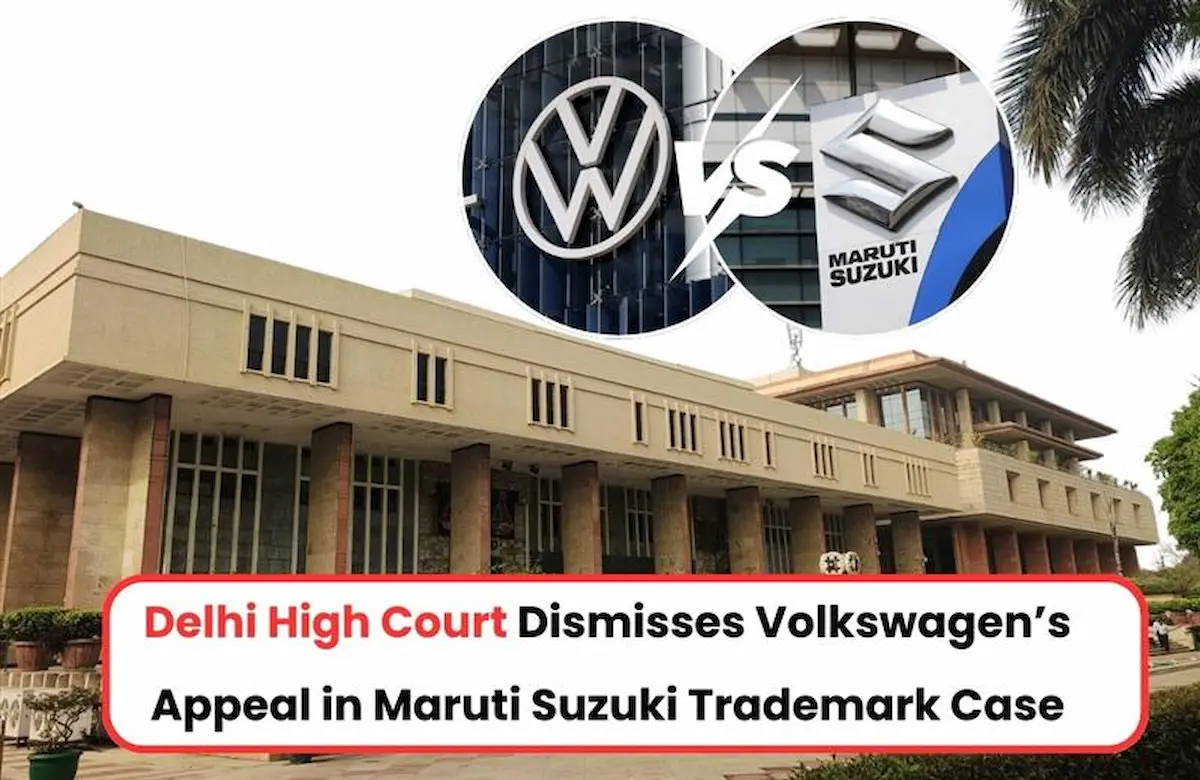
The legal landscape of Intellectual Property Rights in India has witnessed a significant development as the Delhi High Court recently delivered a crucial judgment involving two automotive giants. In a move that reinforces the sanctity of brand identity, the court dismissed an appeal filed by the German automaker Volkswagen. This ruling has brought the Maruti Suzuki vs Volkswagen trademark dispute back into the spotlight, underscoring the importance of brand protection in a competitive global market. The case serves as a prime example of high-stakes IP Litigation where the nuances of visual and phonetic similarity can determine the fate of a product’s identity.
Understanding the Background of the Maruti Suzuki vs Volkswagen Trademark Dispute
The conflict between these two automotive powerhouses began when Maruti Suzuki raised objections to a trademark application filed by Volkswagen. At the heart of the Maruti Suzuki vs Volkswagen trademark dispute was the concern that the German manufacturer’s proposed branding bore a confusing similarity to existing identifiers used by India’s largest carmaker. Maruti Suzuki argued that such similarities could lead to market confusion, potentially diluting the brand equity they had built over decades. This dispute highlights why companies invest heavily in Trademark Registration to ensure that their unique symbols and names remain exclusive and protected from any form of infringement.
The Legal Arguments Presented During the Intensive IP Litigation Process
During the proceedings, legal representatives for both parties presented complex arguments centered on the principles of trademark law. In this instance of IP Litigation, the court had to evaluate whether the average consumer could distinguish between the two brands, or whether the similarity was sufficient to cause deceptive confusion. Maruti Suzuki maintained that their established presence in the Indian market gave them prior rights that must be upheld. On the other hand, Volkswagen attempted to justify its branding choices as distinct and independent. However, the court’s focus remained on preventing brand overlap, a fundamental pillar of any successful Trademark Registration strategy.
Read Also: How to Apply for the WIPO Global Awards 2026: Eligibility & Deadlines
Analyzing the Delhi High Court Decision and Its Impact on Brands
The Delhi High Court ultimately found Volkswagen’s arguments insufficient to overturn the previous rulings. By rejecting the appeal, the court solidified the position that established trademarks deserve a high degree of protection against newer applications that might mirror them too closely. This specific outcome in the Maruti Suzuki vs Volkswagen trademark dispute underscores the judiciary’s commitment to maintaining a clear and fair marketplace. For legal practitioners, this case serves as a vital reference point for future Trademark and Patent Litigation involving multi-national corporations seeking to navigate the complexities of Indian trademark laws.
The Importance of Strict Trademark Registration Standards in the Auto Industry
This case brings to light the rigorous nature of the Trademark Registration process in India. It is not merely about filing paperwork but about ensuring that a brand does not encroach upon the territory of another. The court’s decision indicates that even minor similarities can be grounds for rejection if they threaten the distinctiveness of a prior mark. In the context of the Maruti Suzuki vs Volkswagen trademark dispute, the ruling protects the investment Maruti Suzuki has made in its brand image. Companies are now more aware than ever that a robust registration is the first line of defense against potential legal challenges.
Read Also: Federal Court Overturns Award in Columbia University vs Gen Digital Patent Case
Key Takeaways for Corporations Navigating Complex IP Litigation in India
For businesses operating in India, the primary takeaway from this judgment is the necessity of conducting thorough due diligence before launching new brand names. Engaging in IP Litigation is a resource-heavy process that can be avoided through comprehensive searches and clear branding strategies. The resolution of the Maruti Suzuki vs Volkswagen trademark dispute demonstrates that the courts will prioritize the rights of the prior user and the interests of the general public. It also highlights that Trademark Registration is a continuous journey of monitoring and defending one’s intellectual assets against any perceived threats or similarities.
Conclusion on the Future of Brand Protection Following the Court Ruling
The dismissal of Volkswagen’s appeal by the Delhi High Court marks a definitive chapter in the history of automotive trademark law. As the Maruti Suzuki vs Volkswagen trademark dispute concludes, it leaves behind a legacy of judicial clarity regarding brand Trademark infringement. This judgment will undoubtedly influence how future cases of IP Litigation are handled, particularly those involving global entities. By adhering to the principles of Trademark Registration, companies can better safeguard their commercial identity and ensure that their brand remains a unique symbol of trust and quality in the eyes of the consumer.