
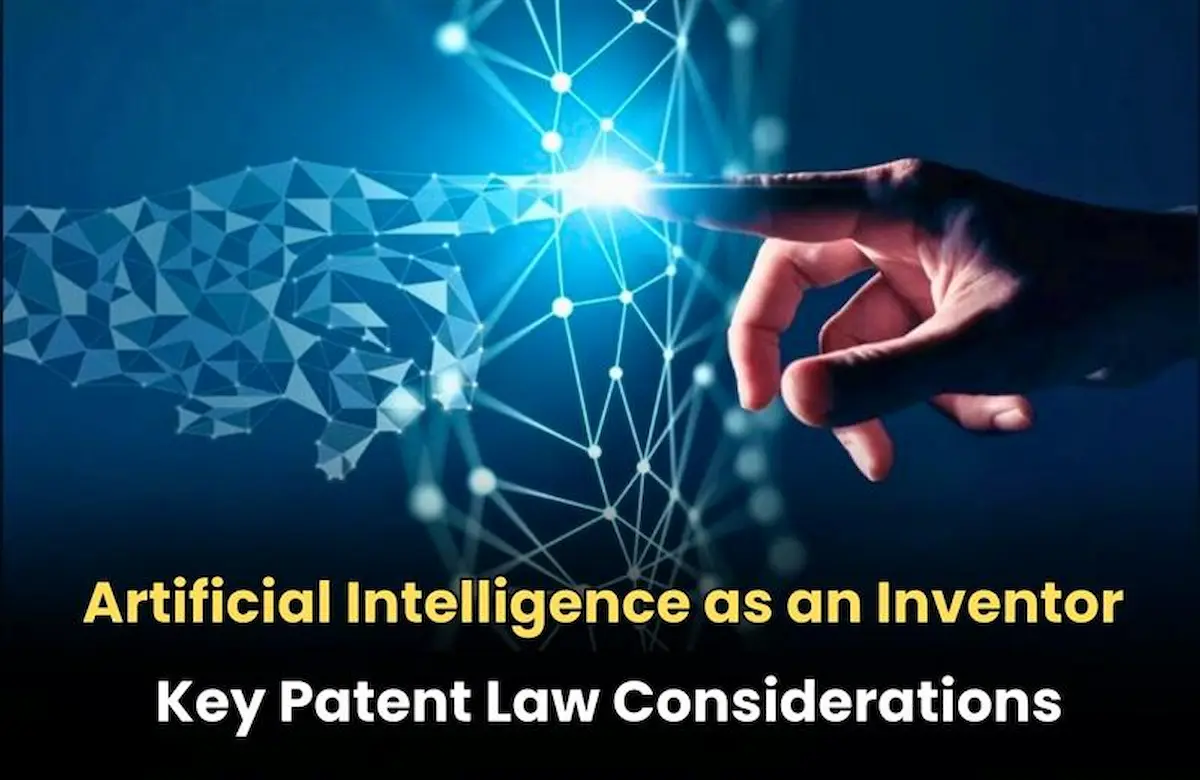
The transition of machine learning from a passive computational resource to an active participant in research has disrupted the foundational principles of intellectual property. As autonomous systems generate high-value technical solutions, the global legal community is grappling with the definition of authorship. Addressing the concept of Artificial Intelligence as an Inventor is no longer a theoretical exercise but a practical necessity for entities aiming to maintain a competitive edge through IP protection.
The Juridical Barrier to Artificial Intelligence as an Inventor
Currently, the worldwide legal consensus is based on a human-centric worldview. Across major patent offices, the requirement for a “natural person” to be the source of an invention serves as a rigid barrier to machine-led applications. The logic supporting the rejection of Artificial Intelligence as an Inventor is built upon three distinct legal foundations:
- Legislative Definitions: Most sovereign patent acts utilize gendered pronouns or explicit terms like “individual” when defining who may apply for a patent. Courts consistently interpret this as a requirement for biological existence, effectively barring silicon-based entities from being recognized as creators.
- The Creative Requirement: Intellectual property law is predicated on the idea of a “creative act” or “mental step.” Legal experts argue that while an algorithm can process permutations at scale, it lacks the subjective intent and conscious awareness necessary to “originate” an idea in the eyes of the law.
- Property Rights and Assignability: A patent is a transferable asset. Since an AI lacks independent legal standing, it cannot possess property, nor can it sign the legal instruments required for a Patent Filing. Without the ability to assign rights, the chain of ownership from the creator to the sponsoring corporation is legally severed.
Navigating the Patent Filing Process for Assisted Discoveries
While the law excludes machines from being named as sole creators, the reality of modern innovation involves heavy reliance on digital tools. The current challenge for patent filing lies in determining the precise boundary where human oversight ends and machine autonomy begins. To secure Patent protection, an applicant must be able to pinpoint the human decisions that steered the automated process toward a functional result.
Factors that influence the validity of an AI-assisted claim include:
- The Granularity of Human Direction: Simply providing a broad objective to a machine is generally viewed as insufficient for inventorship. Instead, the person must demonstrate how they configured specific constraints, weighted variables, or curated data sets to force a particular technological outcome.
- Post-Generation Technical Synthesis: Often, a machine provides a raw data point that requires human expertise to become a viable invention. The act of interpreting a machine’s output, identifying its practical utility, and refining it into a workable prototype is frequently where the legal “act of invention” occurs.
- The Contribution of Specific Claims: In a multi-claim filing, if certain technical achievements are found to be purely the product of an autonomous agent without human intervention, those specific claims may be struck down, even if the rest of the application remains valid.
- Read Also: TVS Apache RTR Hyprstunt Design Patent Filed and Registered in India
Proactive Strategies for Modern IP Protection
As we navigate the regulatory environment of 2026, the burden of proof regarding human involvement has increased. To protect their portfolios, organizations must move beyond the “black box” approach to research and development.
- Audit Trails for Creative Decisions: It is vital to maintain a chronological record of the human choices made during the development lifecycle. This involves documenting the “why” behind specific parameters and the human-led evaluation of various iterations produced by the software.c
- Strategic Drafting of Specifications: When preparing a Patent Filing, the narrative should emphasize the technical problems solved by the human operator through the use of the tool, rather than focusing on the machine’s independent processing power.
- Global Jurisdictional Awareness: While the trend is toward human-only inventorship, different regions are experimenting with various levels of disclosure requirements. A centralized strategy must account for these nuances to prevent an Patent application in one country from undermining the legal standing of the same invention in another.
Conclusion
The debate surrounding Artificial Intelligence as an Inventor represents a pivotal moment in the history of property rights. While the technology continues to push the limits of what machines can achieve, the law remains a human construct designed to protect human effort. For the foreseeable future, IP protection will depend on the ability of innovators to prove that the human mind remains the ultimate architect of technological progress.