
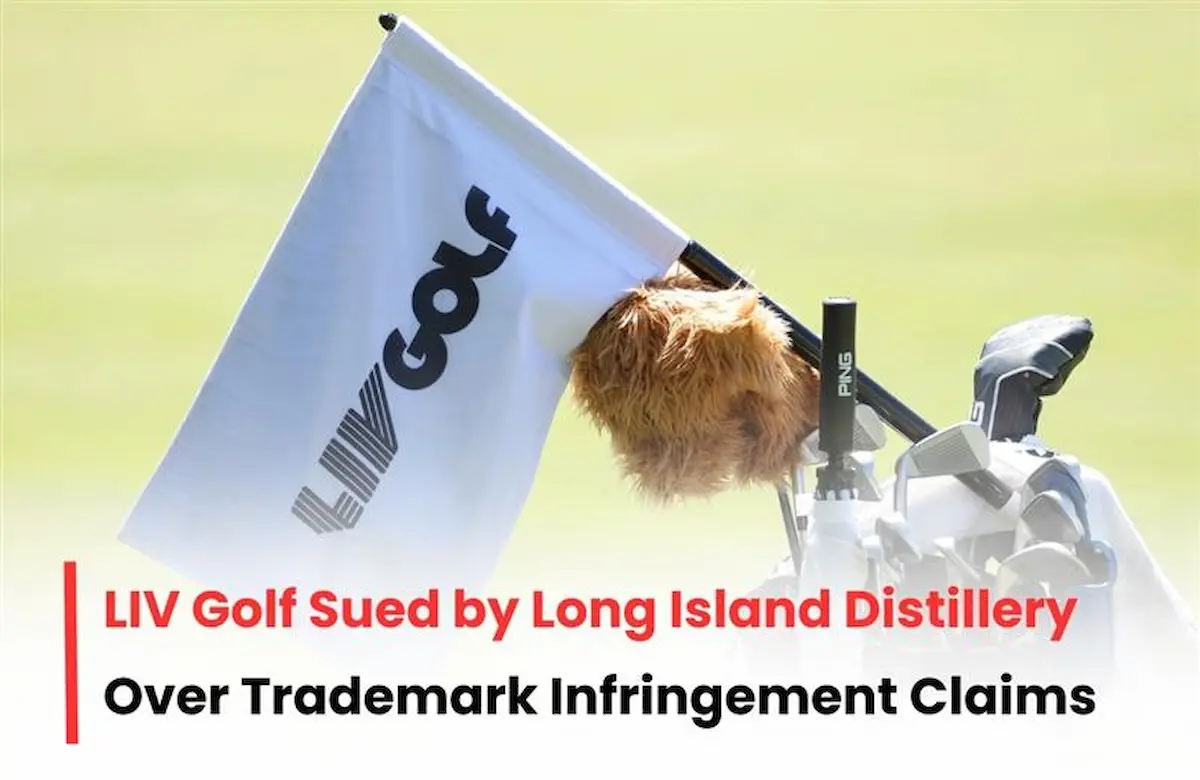
The intersection of professional sports branding and established commercial enterprises often leads to complex legal disputes. Recently, a significant legal challenge has emerged as a Long Island distillery filed a lawsuit against the Saudi-backed golf league. The core of the dispute involves allegations that the league’s branding overlaps with the distillery’s established identity. This LIV Golf vs Long Island Trademark Case highlights the critical importance of protecting intellectual property rights in a globalized market where brand recognition serves as a primary asset.
Understanding the Legal Basis of the LIV Golf vs Long Island Trademark Case
The lawsuit originates from claims made by a distillery based in Long Island, which asserts that the golf league’s logo and naming conventions infringe upon its existing brand protections. Legal experts observing the LIV Golf vs Long Island Trademark Case note that the plaintiff is seeking to protect its market share and prevent consumer confusion. In the world of intellectual property, the likelihood of confusion is a standard used to determine if two marks are too similar. The distillery argues that the golf league’s prominent use of its branding elements dilutes the distinctiveness of the distillery’s own products.
Read Also: WIPO Launches New Award for Cities of Innovation: Opportunities for Global Innovations
The Role of Trademark Registration in Protecting Brand Identity
For any business, the process of Trademark Registration serves as the primary line of defense against unauthorized use of its names or logos. By securing a formal Trademark Registration, a company gains the exclusive right to use a mark in connection with specific goods or services. In this specific litigation, the distillery relies on its prior history of operation and its various filings to prove that it held the rights to its aesthetic identity long before the golf league entered the American market. Without a valid Trademark Registration, it becomes significantly more difficult for a smaller entity to challenge a massive international organization in federal court.
Analyzing Allegations of Consumer Confusion and Brand Dilution
A central pillar of the LIV Golf vs Long Island Trademark infringement case is the concept of brand dilution. The distillery claims that because both entities use similar visual motifs, the public might mistakenly believe there is a partnership or endorsement between the two. In intellectual property law, when a new entity adopts a look that mirrors a senior user, it can lead to “reverse confusion,” where the larger company’s massive marketing budget overshadows the original creator. The plaintiff in this case is determined to show that its brand equity is being eroded by the league’s global visibility.
How Intellectual Property Law Impacts Professional Sports Organizations
Professional sports leagues are no strangers to the complexities of Trademark Registration and brand management. When a league like LIV Golf launches, it must conduct extensive searches to ensure its branding does not infringe on existing businesses. However, the LIV Golf vs Long Island Trademark Case suggests that even with substantial legal resources, conflicts can still arise. This case serves as a reminder that sports entities must be diligent in their vetting processes to avoid costly Trademark and Patent litigation that can disrupt their seasonal operations and marketing strategies.
Examining Potential Legal Remedies in Trademark Infringement Disputes
In the LIV Golf vs Long Island Trademark Case, the distillery is likely seeking several forms of relief. These typically include an injunction to stop the league from using the disputed logo, as well as monetary damages for any loss of revenue. Furthermore, the court may look at whether the infringement was willful or accidental. If a company can prove it has maintained a consistent Trademark Registration, the court is more likely to rule in its favor. Such rulings often require the defendant to undergo a complete rebranding process, which can be an expensive and logistically challenging endeavor for a sports league with global reach.
The Long-Term Implications of the LIV Golf vs Long Island Trademark Case
The resolution of this conflict will likely set a precedent for how niche brands can defend themselves against major corporations. As the LIV Golf vs Long Island Trademark Case progresses through the legal system, both parties will present evidence regarding market saturation and consumer perception. This situation emphasizes that no matter how large an organization is, it must respect the boundaries set by existing intellectual property laws. For the Long Island distillery, the goal is to ensure that its local legacy is not erased by the arrival of a multi-billion-dollar sports enterprise.
Concluding Thoughts on the Importance of Brand Protection Strategies
The ongoing IP litigation reinforces the necessity for every business owner to prioritize their Trademark Registration from the very beginning. As seen in the LIV Golf vs Long Island Trademark Case, legal battles over brand identity are not just about logos but about the very soul and reputation of a company. By following this case, other entrepreneurs can learn the value of being proactive in their legal filings. Ultimately, the court’s decision will determine how these two very different industries will coexist or if a significant branding shift is required to maintain legal harmony.