
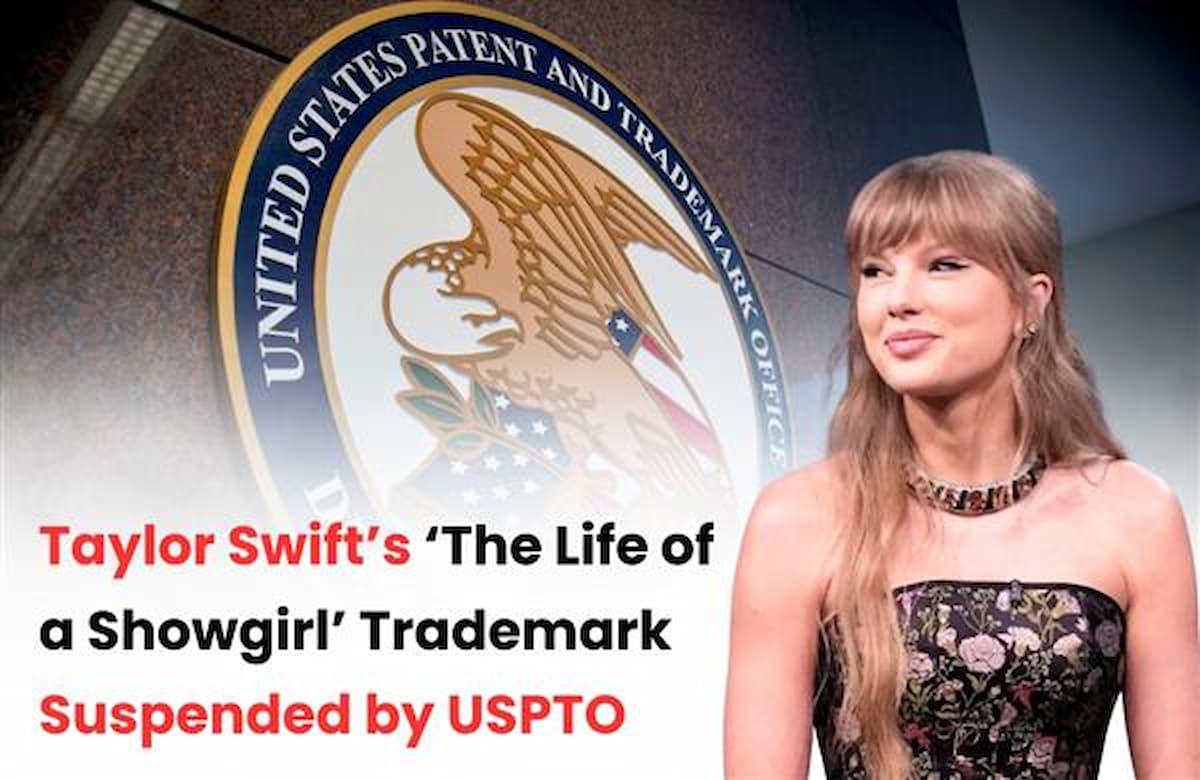
In the high-stakes world of branding and celebrity intellectual property, even global icons face hurdles. Recent news confirms that the United States Patent and Trademark Registration Office has issued a refusal for Taylor Swift’s application regarding the phrase The Life of a Showgirl. This Taylor Swift Trademark Suspension has drawn significant attention from legal experts and fans alike, highlighting the complexities involved in the federal registration process. Securing a Trademark Registration is never a guaranteed outcome, regardless of the applicant’s stature.
Why The Life of a Showgirl Trademark Faced USPTO Refusal
The primary reason for the USPTO action stems from a likelihood of confusion with an existing mark. Specifically, the office identified a preexisting registration for the phrase Confessions of a Showgirl, owned by performer Marin Wade. In the eyes of an examining attorney, the two marks share a critical component: the phrase of a showgirl. Although the opening words differ, the USPTO determined that these variations were not sufficient to eliminate the potential for consumer confusion regarding the source of the entertainment services.
This scenario serves as a perfect example of why thorough clearance searches are vital before filing any application. While a brand may seem unique, the nuances of Trademark Registration law can lead to unexpected roadblocks. Intellectual property is not just about the exact wording but about the overall commercial impression left on the public. If a new mark is too similar to an existing one in a related category, the risk of IP Litigation increases significantly if both parties attempt to operate in the same space.
Read Also: CrowdStrike Sues AiStrike for Trademark Infringement: A Detailed Breakdown of the Lawsuit
Understanding the Impact of This Taylor Swift Trademark Suspension
The Taylor Swift Trademark Suspension means that Swift’s legal team cannot move forward until specific conditions are met. Aside from the Confessions of a Showgirl conflict, the USPTO also noted a potential secondary issue involving a pending application for the term Showgirl. This secondary application relates to fragrance products, which could overlap with Swift’s interest in registering the mark for items such as candles.
Consequently, the USPTO has opted to pause or suspend the application until these other matters are resolved. For an artist, this creates a temporary stalemate. While it is not a final rejection, it does delay the ability to use federal registration for enforcement purposes. Companies and individuals often engage in Trademark and Patent Litigation if they believe their brand is being infringed upon, which is why having an active, clear registration is a powerful tool. Without it, the ability to protect one’s intellectual property becomes far more difficult.
Can The Life of a Showgirl Trademark Overcome Legal Challenges
Despite this hurdle, the situation is far from hopeless. About 20 percent of all trademark application face similar refusals like Taylor Swift Trademark Suspension during the examination phase. Swift’s legal representatives now have a clear path forward: they must file a response to the USPTO to argue that there is no likelihood of confusion between the two marks.
The argument will likely focus on how the phrases convey different meanings to the average consumer. Confessions of a Showgirl implies a personal narrative or a tell-all, while The Life of a Showgirl suggests a broader observation or portrayal of a specific lifestyle. If the attorneys can successfully persuade the examiner that these differences are sufficient, the mark may still proceed toward registration.
If legal arguments are not enough, a consent agreement with the owner of the existing mark remains a potential alternative. This involves obtaining permission from the current registrant to use the phrase, assuming they agree that the two brands will not confuse consumers. Regardless of the outcome, this case reinforces that navigating federal trademark law requires a deep understanding of precedent and strategic legal planning. It is a reminder that in the arena of branding, diligence and patience are just as important as the strength of the brand itself.