
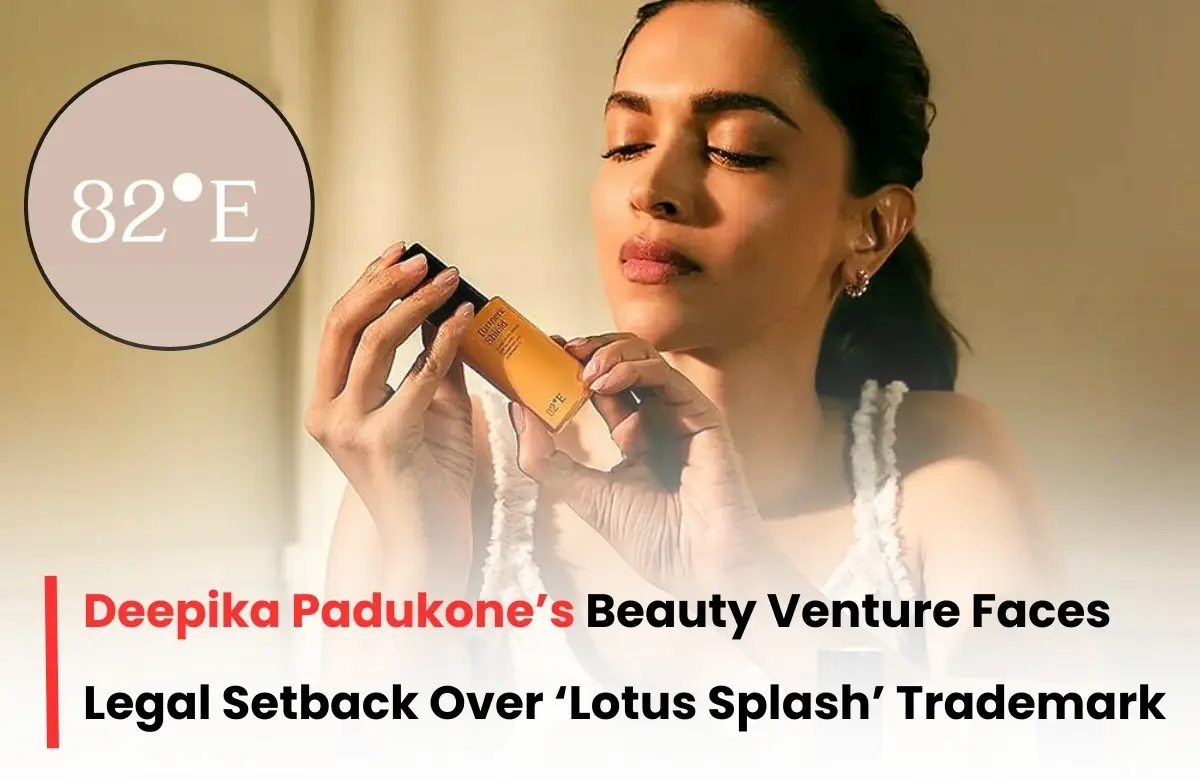
The Delhi High Court recently issued a significant interim order in a Deepika Padukone Lotus Splash trademark case, prohibiting DPKA Universal Consumer Ventures (the company behind Deepika Padukone’s brand, 82°E) from marketing its facial wash under the “Lotus Splash” name. This legal action follows a challenge by Lotus Herbals Private Limited, a prominent Indian beauty company that holds a long-standing Trademark Registration for the word “Lotus” in the cosmetics sector.
Core Legal Dispute Behind the Deepika Padukone Lotus Splash trademark case
Lotus Herbals initiated the lawsuit, citing trademark infringement and passing off. The company argued that the defendant’s use of “Lotus” as a primary identifier for its cleanser violated its statutory rights. Having used the “Lotus” mark since 1993, the plaintiff maintains extensive rights over the name across various product categories, including soaps and beauty preparations.
While a single-judge bench originally declined to stop the brand in early 2024, a Division Bench consisting of Justice V. Kameswar Rao and Justice Vinod Kumar overturned that decision in February 2026. The appellate court found that the earlier ruling had not sufficiently considered the likelihood of consumer confusion.
Key Arguments and IPR Principles
The case turned on how the Trade Marks Act, 1999, distinguishes between using a word as a brand name versus using it simply to describe an ingredient.
- Claims of Infringement: The plaintiff demonstrated that “Lotus Splash” was being used in a way that was deceptively similar to their registered marks. They pointed out that in digital marketplaces and search results, the product was often identified primarily by the “Lotus Splash” name, which could lead buyers to believe the product was a collaboration with or owned by Lotus Herbals.
- The Descriptive Defense: The legal team for 82°E argued that the name was meant to be descriptive because the cleanser contains lotus flower extract. They sought protection under Section 30(2)(a) of the Act, which permits businesses to use words that indicate the characteristics or ingredients of their goods.
Read Also: Taylor Swift Opposes ‘Swift Home’ Trademark Filed by Bedding Company
Delhi High Court Rulings of the Deepika Padukone Lotus Splash Trademark Case
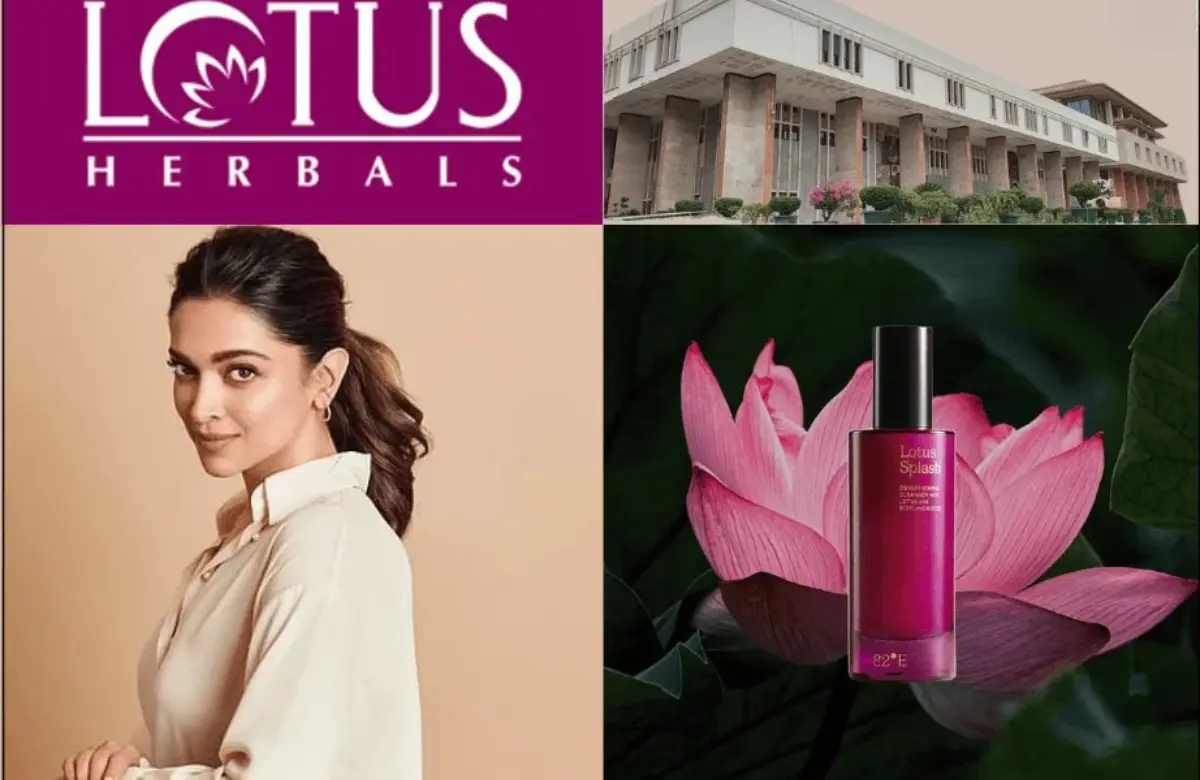
In the Deepika Padukone Lotus Splash trademark case, the Delhi High Court rejected the descriptive defense, noting that the specific way the text appeared on the bottle was a major factor in IP protection. The judges observed that “Lotus Splash” was printed in a large, bold font at the top of the container, while the actual brand name, 82°E, was placed much less prominently at the bottom.
The court also noted that the packaging already featured a separate sentence explaining the ingredients: “conditioning cleanser with lotus and bioflavonoids.” Because this explanation already existed, the court reasoned that “Lotus Splash” was being used as a sub-brand or trademark rather than just a description of the contents.
Furthermore, the court highlighted that while 82°E had sought Trademark Registration for other product names like “Turmeric Shield,” they had not done so for “Lotus Splash.” This inconsistency suggested the company was aware the name might conflict with existing rights while still attempting to use it as a brand identifier.
Implications for Intellectual Property Rights
This ruling reinforces the importance of maintaining clear boundaries in Trademark and Patent protection. It establishes that even if a product contains a specific botanical element, a company cannot use the name of that element as a primary brand title if it overlaps with a competitor’s registered trademark.
The court’s interim injunction effectively stops the defendant from manufacturing, advertising, or selling the cleanser under the disputed name until the lawsuit reaches a final conclusion. This serves as a vital reminder for celebrity-backed ventures to perform comprehensive searches to avoid trademark infringement before entering the market.
Read More: The Legal Framework of Geographical Indications in India