
In the modern commercial landscape, a person’s identity often serves as their most powerful economic tool. Recently, the Taylor Swift vs Swift Home trademark case highlighted the lengths to which global icons must go to safeguard their personal brand from unauthorized use. This conflict began when a home goods manufacturer attempted to secure a name that closely mirrored the singer’s own, prompting a swift response from her legal representatives.
The Origins of the Taylor Swift vs Swift Home Trademark Case
The dispute was sparked when a company named Cathay Home Inc. submitted an application for Trademark Registration for the brand name Swift Home. They intended to market household essentials such as comforters, sheets, and pillows. While the word Swift is a common English adjective, the legal issue centered on the specific visual presentation of the word.
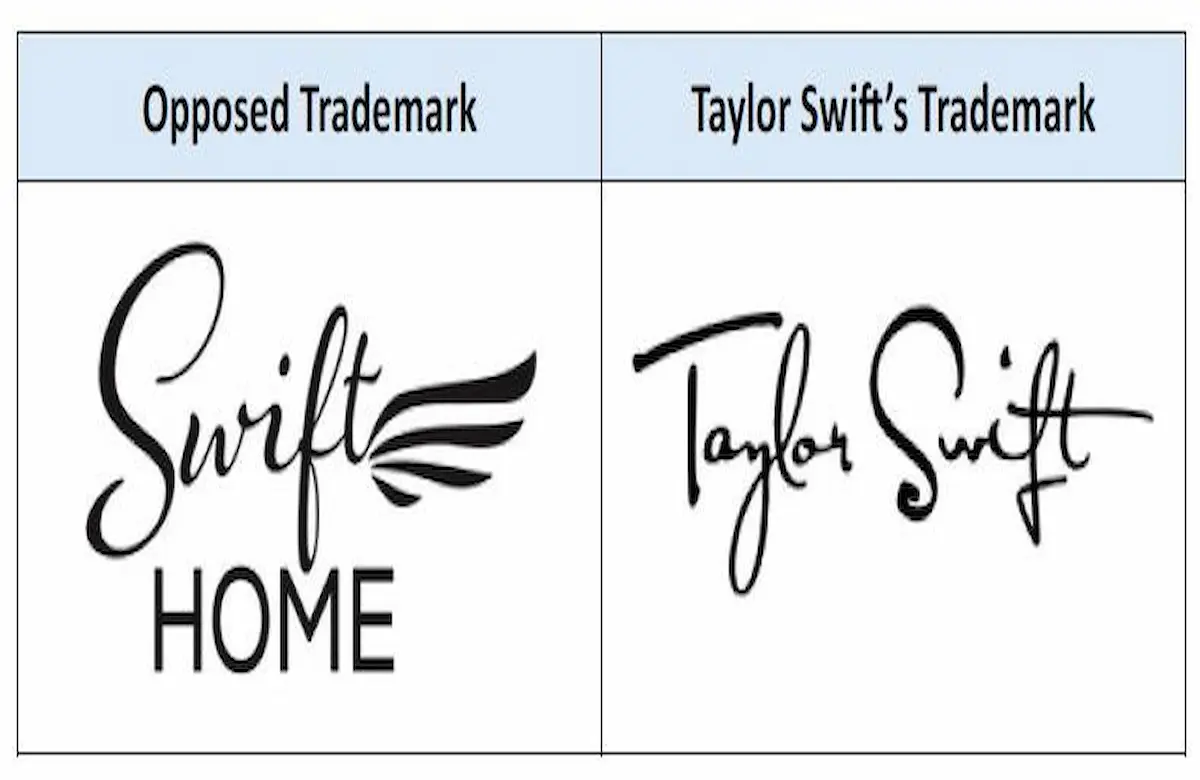
Taylor Swift’s legal team observed that the bedding company chose a stylized, cursive font that bore a striking resemblance to the singer’s own signature. They filed a formal opposition, arguing that this design choice was a strategic attempt to lead consumers to believe the products were part of an official Taylor Swift lifestyle collection. This type of proactive IP protection is vital for celebrities whose visual identity is just as recognizable as their music.
How Taylor Swift Uses IP Protection to Prevent Trademark Infringement and Consumer Confusion
From a legal perspective, the primary goal of these actions is to prevent what is known as a likelihood of confusion. If a shopper encounters a blanket labeled Swift Home in a signature style script, they might reasonably assume the product is an official collaboration. This is the foundation of trademark infringement claims, as it involves one party potentially profiting from the reputation and “goodwill” established by another.
The singer’s legal counsel argued that because she already holds a Trademark Registration for her name across various categories, including home goods, the public naturally links the name Swift with her brand. By intervening, her lawyers ensured that her professional identity remained distinct and protected from being used by third parties to sell unrelated household products.
Read More: Shen Changyu Meets IPOS CEO Tan Kong Hwee to Advance IP Collaboration
Why Companies Monitor Every Trademark Registration to Avoid Costly Legal Battles
This situation demonstrates why major brands employ legal teams to monitor every new Trademark Registration application published for opposition. There is a specific window of time where an existing brand owner can challenge a new filing. If Taylor’s team had stayed silent, the bedding company could have gained legal rights to the name, which might have blocked Taylor from launching her own official bedding line in the future.
Managing these risks is a core part of effective Trademark and Patent protection. It is far more efficient to stop a potential case of trademark infringement during the application phase than it is to engage in a years-long lawsuit after the products have already reached the market. For any entity, staying alert to new filings is the best way to maintain control over its intellectual assets.
Conclusion of the Taylor Swift vs Swift Home Trademark Case
The legal battle concluded in early 2026 when the bedding company withdrew its application. They officially abandoned the Swift Home mark, effectively ending the dispute. An attorney for the firm mentioned that while they believed their use of the name was fair, it was more practical to step away than to face a massive legal challenge from a global superstar.
The resolution of the Taylor Swift vs Swift Home trademark case stands as a clear victory for the singer’s brand management strategy. It highlights the fact that even common words can be protected when they are tied to a famous individual’s identity. This case reinforces the importance of consistent IP protection for creators, ensuring that their names and personal styles remain their exclusive property.
Read More: Travis Kelce & Patrick Mahomes Sued: What the Lawsuit Is About