
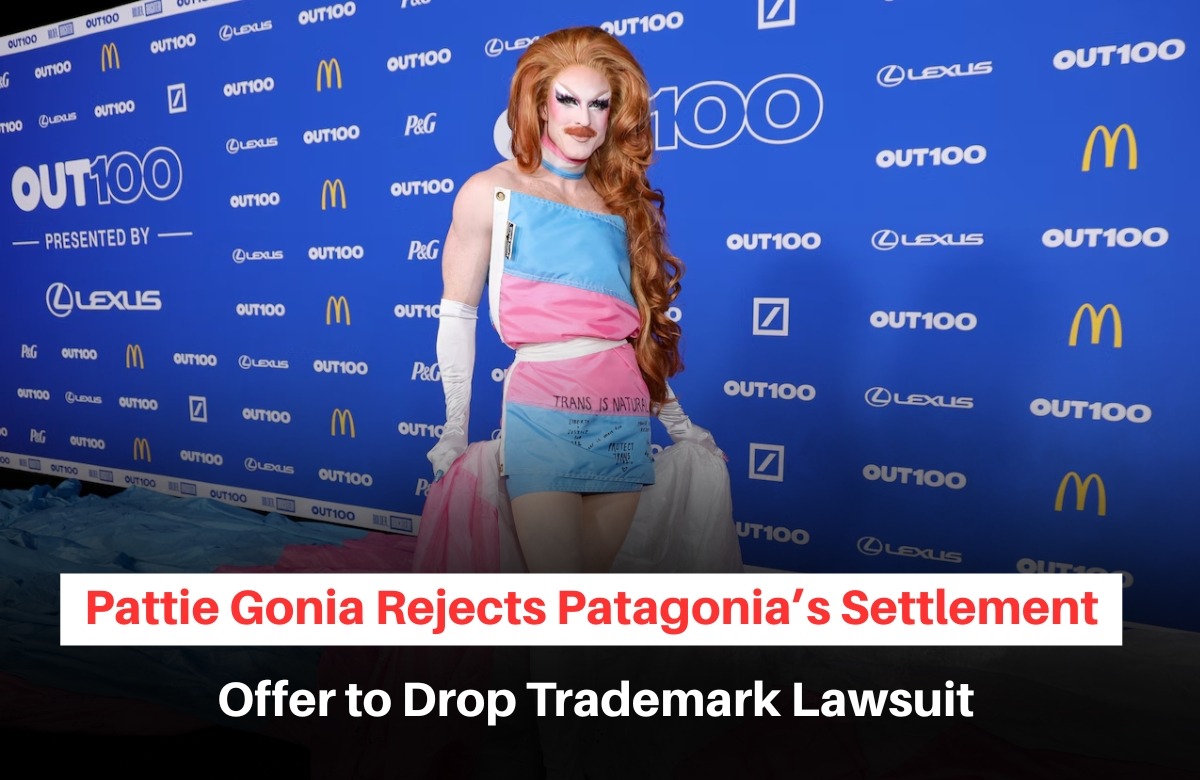
The conflict between outdoor apparel giant Patagonia and environmental activist Wyn Wiley has hit a legal wall. Wiley, who performs under the stage name Pattie Gonia, just publicly rejected a settlement offer from the corporation. It’s a high-profile clash of intellectual property rights. If you’re looking for the Patagonia trademark lawsuit’s latest update, this move confirms one thing: a quick, private resolution is off the table. The Pattie Gonia Trademark Lawsuit highlights a classic legal tension, protecting an established brand versus an individual’s right to their performing identity. Both sides champion environmental causes. But federal trademark laws don’t care about shared values; they focus strictly on consumer confusion and market protection. Patagonia wants to stop commercial dilution. Meanwhile, the Pattie Gonia Drag Queen persona aims to shield her advocacy and personal brand from corporate erasure.
The Legal Background of the Pattie Gonia Trademark Lawsuit
Why did this dispute escalate to federal court? It helps to look at the history between these two entities. Corporate documentation shows that Patagonia tried to handle its intellectual property concerns privately for years.
The breakdown of their interactions follows a specific timeline:
- The 2022 Informal Pact: The parties held private talks. Patagonia agreed not to challenge the name for performances and activism. But they explicitly asked Wiley not to register the trademark or sell branded clothing.
- The 2025 Registration Filings: In September 2025, the performer filed official federal trademark applications for the moniker and allegedly began selling apparel.
- The 2026 Infringement Complaint: Because commercial apparel sales breached the 2022 understanding, Patagonia filed a formal federal lawsuit in January 2026.
Under U.S. statutes, trademark owners must police their marks. They have to. If a company ignores similar names in its industry, its legal protections erode over time. Because both brands operate in the outdoor advocacy space, Patagonia argues that consumer confusion is inevitable. It’s a clear reminder that corporations must protect their assets under federal law, regardless of social alignment.
Read More: CNIPA Deputy Commissioner Visits WIPO and EUIPO to Strengthen IP Cooperation
Terms of the Settlement Offer and the Pattie Gonia Drag Queen Response
The latest standoff began after the performer claimed on social media that the corporation was trying to erase an advocate. Patagonia’s legal team quickly countered with a structured settlement proposal to dismiss the action.
The proposed agreement demanded three main concessions:
- Immediate withdrawal of all pending federal trademark applications.
- Total cessation of any visual logos resembling Patagonia’s branding.
- An agreement to stop selling, marketing, or promoting apparel under the performer’s name.
But the Pattie Gonia Drag Queen persona rejected the terms flat out. No deal. Interestingly, the corporate proposal didn’t ask her to stop using the name for entertainment or non-profit activism. It targeted commercial merchandise and registration rights. By refusing, the defendant is holding her ground on commercial expansion, guaranteeing this fight stays in federal court.
What Happens Next in the Patagonia Trademark Lawsuit Latest Update
Since settlement talks failed, the lawsuit enters the heavy-lifting phase of civil litigation. The Patagonia trademark lawsuit latest update points to one immediate destination: discovery. This is the standard federal procedure where both sides must turn over their cards.
Expect an exchange of highly sensitive information, including:
- Internal corporate emails regarding enforcement strategy and brand perception.
- The defendant’s personal correspondence explaining the 2025 trademark strategy.
- Financial ledgers detailing total sales and marketing revenue from the merchandise.
- Consumer data measuring whether the public actually confuses the two brands.
The discovery process is known for being expensive, highly invasive, and logistically demanding. Legal analysts estimate that both sides could incur between 1 million and 3 million dollars in legal fees before a trial even begins. This high financial cost often forces litigants to reconsider their positions and return to the negotiating table. If neither side changes their position, the case will continue through the federal court system. However, due to the slow nature of civil litigation, a formal trial won’t happen until mid-2027.
Read More: CNIPA Deputy Commissioner Visits WIPO and EUIPO to Strengthen IP Cooperation