
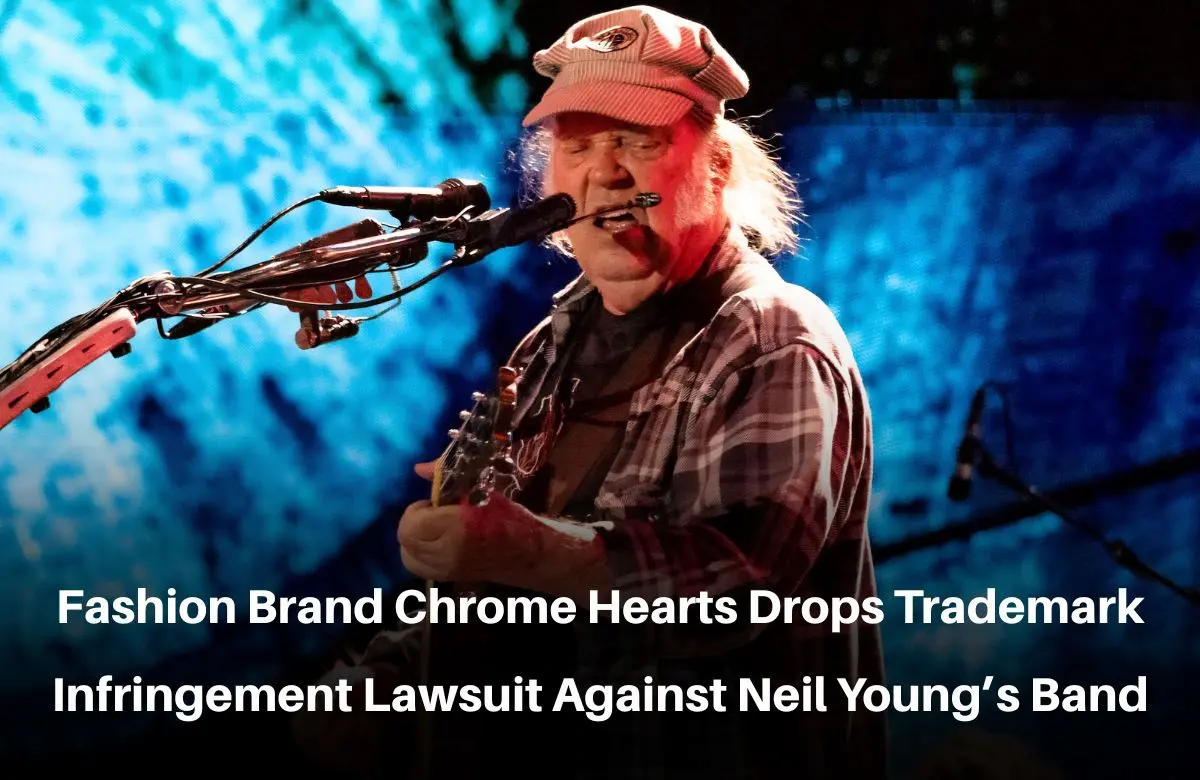
The intersection of luxury fashion and the music industry frequently creates friction over intellectual property rights. We recently saw this play out in the Neil Young vs Chrome Hearts lawsuit, a case that reached a sudden conclusion in federal court. Chrome Hearts, a brand synonymous with gothic silver jewelry and high-end apparel, had moved against the legendary rock star’s backing group. However, the IP litigation has ended: the brand filed to dismiss its own claims, terminating a brief but high-stakes period of IP enforcement.
Understanding the Legal Origins of the Neil Young vs Chrome Hearts Lawsuit
The conflict began when Chrome Hearts filed a civil complaint alleging that Neil Young’s new backing band, “The Chrome Hearts,” used a name that infringed upon their registered trademarks. Unlike his longtime collaborators Crazy Horse, this new group shared a direct namesake with the Los Angeles-based luxury label. In the realm of trademark protection, luxury labels stay vigilant to prevent any unauthorized use of names or symbols that might cause consumer confusion.
In this Neil Young trademark lawsuit, Chrome Hearts argued that the band’s name and its appearance on tour merchandise sat too close to their own protected marks. This case shows exactly how aggressive fashion houses are about their visual and nominal identity. The plaintiff asserted that the band’s branding constituted trademark infringement because it allegedly mirrored the established identity of Chrome Hearts, a tactic often used in IP litigation to prevent dilution of brand equity.
The Specific Allegations in the Neil Young Band Lawsuit
The core of the matter involved claims of trademark infringement regarding merchandise sold during recent concert tours. Chrome Hearts claimed that the “Neil Young and The Chrome Hearts” branding on shirts and hoodies was an unauthorized use of their mark. They argued it could mislead fans into believing a formal collaboration existed between the fashion house and the rock icon.
Lawyers for Chrome Hearts wanted to prove that this lawsuit centered on a violation of their exclusive rights to the “Chrome Hearts” name, which they have used since 1988. While the band name is a reference to Young’s 1976 song “Long May You Run,” the fashion brand claimed marketplace confusion was already occurring, with some vendors allegedly mashing up Young’s image with Chrome Hearts-style logos.
Why Chrome Hearts Chose to Drop the Neil Young Trademark Lawsuit
The case took a sharp turn when the fashion brand filed a notice of voluntary dismissal in May 2026. This ended the Neil Young vs Chrome Hearts lawsuit without a trial or a public settlement agreement. Court filings did not state the specific reason for the withdrawal, which is common when parties reach a private agreement or when a plaintiff decides the legal fees and potential PR fallout of a Neil Young band lawsuit aren’t worth the risk.
By abandoning the Neil Young trademark lawsuit, Chrome Hearts avoided a messy public battle with a cultural icon. Picking a fight with a legend like Young can be a public relations gamble. In many trademark disputes, a quiet exit is the smartest move, it maintains the brand’s right to defend its mark in the future without requiring a judge to set a potentially restrictive legal precedent.
Read Also: Product Patent and Process Patent: Meaning, Differences, and Scope
The Importance of Trademark Protection in Music and Fashion
The end of the Neil Young vs Chrome Hearts lawsuit provides a lesson for artists regarding the necessity of vetting brand names. Today, you can’t just name a band based on a classic lyric without ensuring it doesn’t collide with established global trademarks. The risk of trademark and Patent infringement is always present in an era where visual branding is a multi-billion-dollar industry.
For the fashion world, this case proves the importance of picking your battles. While the Neil Young trademark lawsuit could have redefined how trademark “confusion” is interpreted between different industries, the status quo holds for now. Both sides move on: the band continues to release music (including their live album, As Time Explodes), and the brand maintains its exclusivity. Ultimately, the dismissal allows both parties to return to their crafts, one focused on rock history, the other on luxury design.