

The intellectual property rights (IPR) surrounding one of India’s most commercially successful comedy franchises have become the subject of intense judicial scrutiny. The Hera Pheri 3 copyright case has recently taken a significant turn in the Madras High Court, where Justice Krishnan Ramasamy is presiding over a complex matter of Trademark and patent litigation. The case involves allegations of unpaid dues and the potential unauthorized exploitation of cinematic assets, raising critical questions about the legal ownership of the franchise.
The Background of the Hera Pheri 3 Copyright Case
The legal conflict originated from a recovery suit filed by lenders against producer Firoz Nadiadwala and his production house, Base Industries Group. The core of the Phir Hera Pheri copyright case lies in a 2021 agreement where the producer reportedly failed to settle substantial financial liabilities. As a result, the court had previously passed orders restricting the alienation or transfer of the film’s rights to ensure that creditors’ interests remained protected.
In recent proceedings, the court expressed deep skepticism regarding the status of the third installment. The Madras High Court’s inquiry was prompted by the need to protect the interests of decree-holders who claim a legal lien over the franchise. The focus is on whether any production activities currently being undertaken constitute a breach of previous judicial stay orders or satisfy the criteria for copyright infringement.
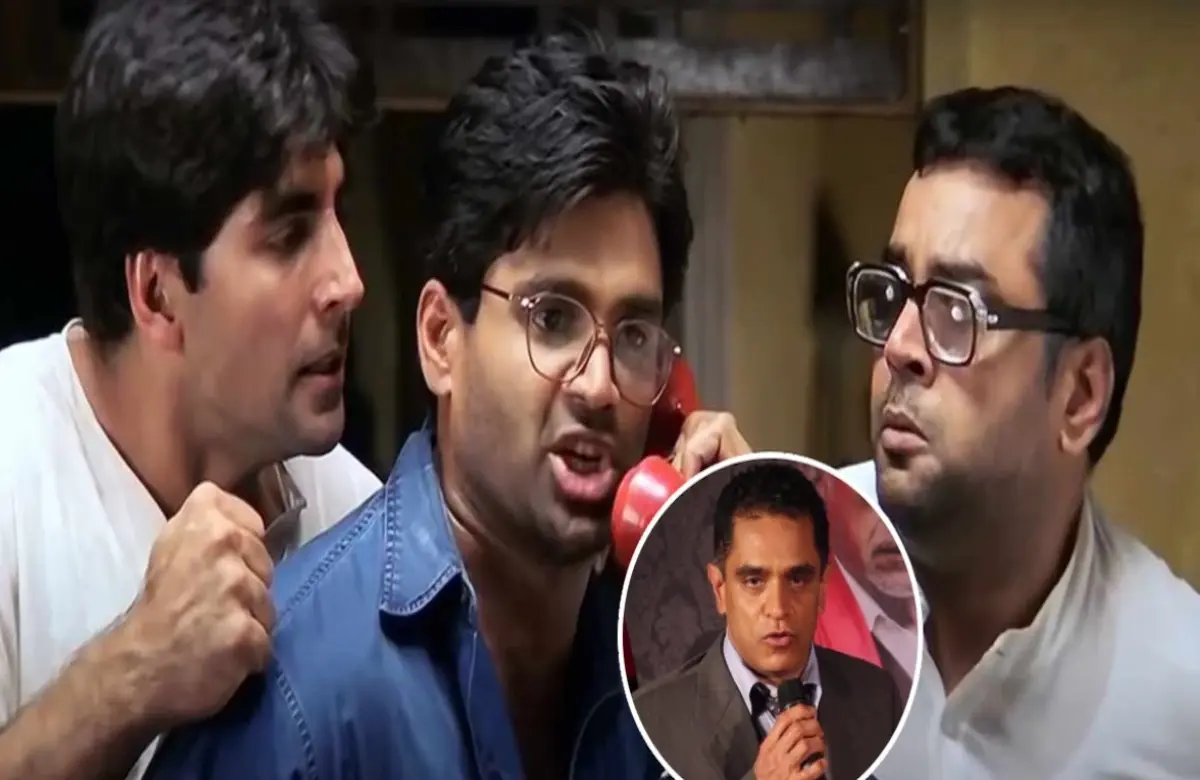
Judicial Inquiry into Production Authenticity
During a recent hearing, the Madras High Court pointedly asked, “Is Hera Pheri 3 even being made?” This query served as a formal demand for verification of the project’s physical actuality. The bench sought to determine if the work constitutes a tangible intellectual property asset that can be utilized to settle debts, rather than a mere conceptual announcement intended to stall legal recovery.
The Firoz Nadiadwala copyright case highlights several vital legal points regarding film production:
- Verification of Progress: The court has demanded documented evidence of filming to confirm that the “Hera Pheri” brand is not being used as a placeholder to attract new investment while old debts remain unpaid.
- Adherence to Injunctions: There are concerns that the producer may have entered into third-party agreements that violate existing court orders, which would lead to a direct appeal to the Phir Hera Pheri 3 Copyright case.
- Chain of Title Documentation: The judiciary is seeking an authenticated record of rights transfers to verify which entity holds the lawful authority to develop and distribute the sequel under current IPR laws.
Read Also: IP Portfolio Strengthening Strategies to Maximize Business Value in 2026
Technical Aspects of Phir Hera Pheri 3 Copyright Case
In the realm of IP litigation, a sequel is legally categorized as a “derivative work.” According to the Copyright Act, 1957, the exclusive right to produce such works remains with the original copyright holder unless those rights have been specifically assigned through a valid contract. In this dispute, the lenders argue that because the underlying financial obligations were not met, the rights to the characters, titles, and themes remain encumbered.
Any attempt to produce or release the movie without clearing these financial encumbrances can be legally classified as copyright infringement. The court is examining whether the production house has attempted to bypass these legal hurdles by involving new partners or shell entities, which would further complicate the transparency of the IPR landscape.
Key Legal Observations and Directions
The Madras High Court has taken a proactive stance to ensure that the legal process is not bypassed by the influence of high-profile cinematic brands. The following points summarize the court’s current focus:
- Status Affidavits: The producer has been directed to provide a sworn statement detailing the current stage of the film’s development, including filming schedules and post-production status.
- Financial Disclosures: The court is tracking the flow of capital to ensure that no revenue generated from the “Hera Pheri” IP is being diverted away from the decree-holders who have a legal claim to those funds.
- Protection of Rights: The bench emphasized that the integrity of intellectual property must be maintained. Any party found violating the court’s decree regarding the rights will face strict penalties under the relevant provisions of the law.
Conclusion
The Hera Pheri 3 copyright case serves as a landmark case for the Indian film industry, illustrating the dangers of neglecting legal due diligence. This IP litigation underscores that a film franchise is not just a creative entity but a significant financial asset protected by strict IPR laws.
As the Madras High Court continues its probe into the Firoz Nadiadwala copyright case, the future of the film remains uncertain. The resolution of this matter will depend on the producer’s ability to provide a transparent “Chain of Title” and satisfy the court regarding the legitimacy of the production. Until then, the threat of copyright infringement claims remains a significant barrier to the release of the highly anticipated sequel.