
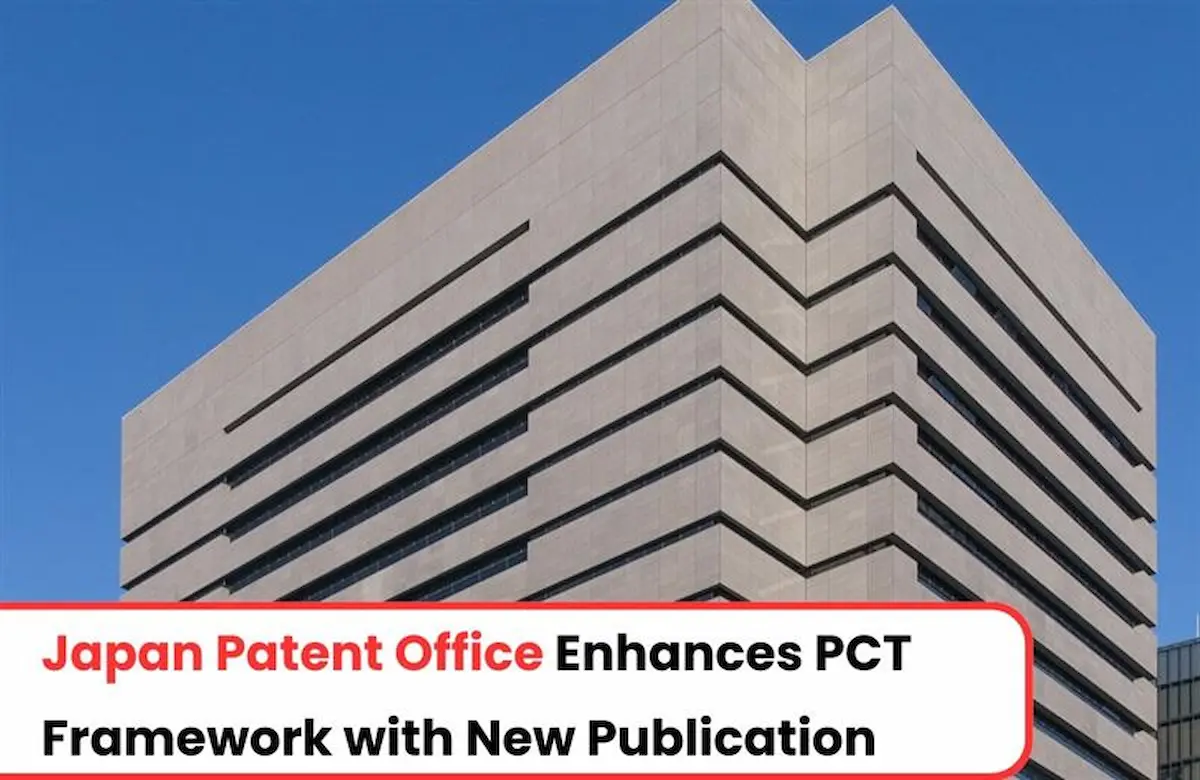
The landscape of international intellectual property is constantly shifting as technological advancements and global trade requirements evolve. In a significant move to streamline international patent applications, the Japan Patent Office recently published a comprehensive update to its JPO PCT handbook for PCT International Search and Preliminary Examination. This document serves as a vital resource for applicants, practitioners, and examiners alike, providing a clear roadmap for navigating the complexities of the Patent Cooperation Treaty (PCT) framework within the Japanese jurisdiction.
The JPO PCT handbook is not merely a collection of rules but a strategic guide designed to enhance the transparency and predictability of the international search and examination process. By detailing the specific practices of the JPO acting as an International Searching Authority (ISA) and International Preliminary Examining Authority (IPEA), the publication aims to reduce the uncertainty that often accompanies cross-border patent filings. For businesses seeking global market entry, understanding these procedural nuances is a fundamental component of robust IP protection.
Transparency in International Procedures
The primary objective of the JPO PCT handbook is to bridge the gap between abstract treaty regulations and the practical application of those rules by examiners. While the PCT itself provides a unified procedure for Patent Filing Procedure to protect inventions in each of its contracting states, the internal workflows of individual offices can vary. The JPO has addressed this by documenting its internal standards for conducting searches and providing written opinions.
This level of disclosure is particularly beneficial for inventors who wish to anticipate potential objections before their application enters the national phase. When an applicant has a clear view of how their claims will be evaluated by the JPO, they can make more informed decisions regarding claim amendments and prosecution strategy. This proactive approach is essential for maintaining a strong portfolio and avoiding the pitfalls that lead to costly IP litigation in the future.
Key Updates and Harmonization
The latest revisions to the handbook reflect the JPO’s commitment to international harmonization. Recent updates include alignments with WIPO Standards, such as ST.14 for citation practices and ST.26 for sequence listings in biotechnology applications. These technical adjustments ensure that Japanese search results and examination reports are consistent with global norms, making them more reliable for other patent offices during the national phase of the PCT process.
Furthermore, the handbook includes expanded guidance on informal communications and the use of earlier search results. By clarifying the criteria for these interactions, the JPO encourages a more collaborative environment between the examiner and the applicant. This transparency helps ensure that the scope of IP protection granted is both fair and enforceable across different jurisdictions.
Read Also: EPO Hosts International Dialogue on Substantive Patent Law Harmonization
Navigating Sequence Listings and New Competencies
One of the more technical aspects of the updated JPO PCT handbook involves the transition to new standards for nucleotide and amino acid sequence listings. As biotechnology continues to be a high-growth sector, the JPO has updated its forms and guidelines to ensure that data is presented in a machine-readable format that complies with international requirements.
Additionally, the handbook notes the JPO’s expanding role as a competent ISA and IPEA for various regions, including recent additions like Uruguay, Saudi Arabia, and India. This expansion highlights Japan’s role as a major hub for intellectual property in Asia and beyond. For companies operating in these regions, the handbook provides the necessary legal context to utilize the JPO’s expertise effectively.
Read Also: Shen Changyu Meets IPOS CEO Tan Kong Hwee to Advance IP Collaboration
Implications for IP Strategy through JPO PCT handbook
For legal professionals and corporate IP departments, the JPO PCT handbook is a foundational tool for risk management. A well-executed international search report can serve as an early warning system, identifying prior art that might jeopardize the validity of a patent. By following the JPO’s documented procedures, applicants can strengthen their filings and reduce the likelihood of encountering disputes. Effective preparation at the international stage is often the best defense against complex IP litigation that can arise from poorly defined patent claims.
In conclusion, the publication of this handbook is a welcome development for the global IP community. It simplifies a dense legal process into an accessible format while maintaining the high standards of the Japan Patent Office. Whether you are an individual inventor or a multinational corporation, staying informed about these procedural updates is vital for securing and maintaining effective Trademark and Patent protection. By following the guidance provided in the JPO PCT handbook, stakeholders can navigate the international patent system with greater confidence and efficiency.