
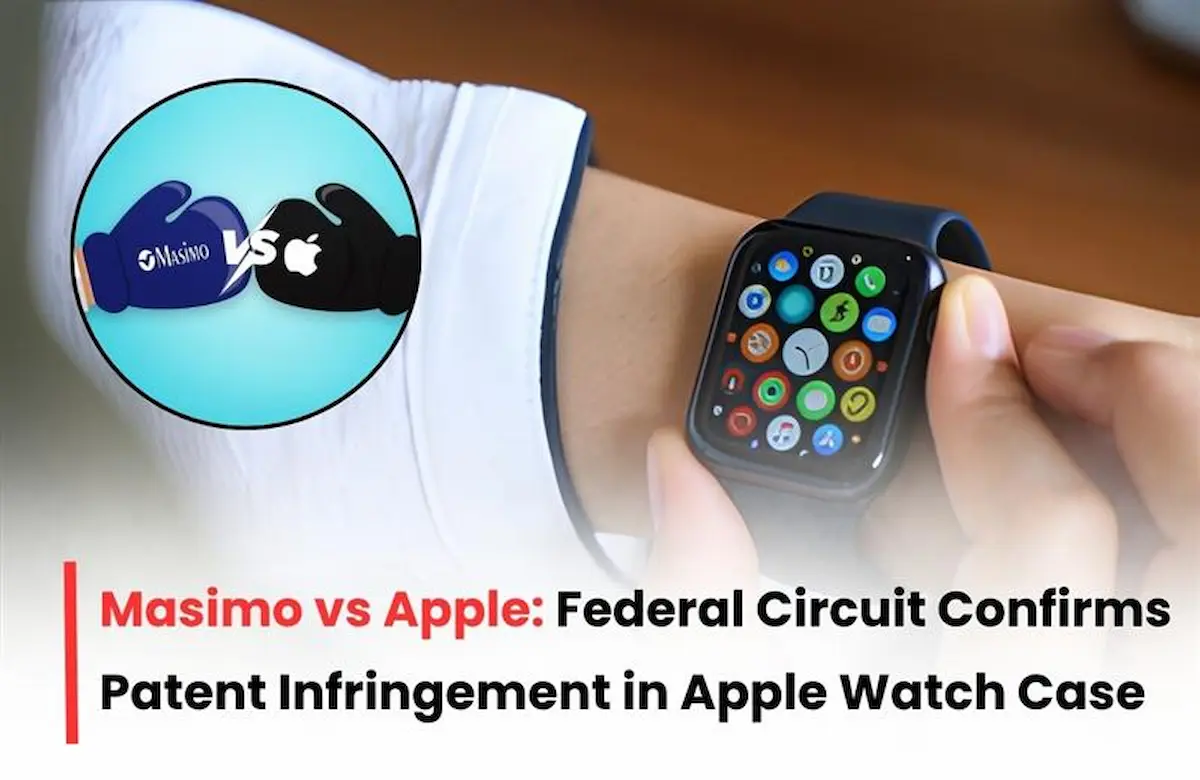
The legal landscape surrounding wearable technology has reached a significant milestone with the recent decision by the United States Court of Appeals for the Federal Circuit. In a high-profile ruling, the court affirmed the International Trade Commission’s earlier determination regarding a dispute over pulse oximetry technology. This decision solidifies the import ban on certain models of the Apple Watch, marking a pivotal moment for Apple Watch and Masimo patent infringement discussions within the tech industry.
For years, the intersection of consumer electronics and medical-grade sensors has been a breeding ground for complex IP litigation. This specific case highlights the rigorous standards of IP protection required to maintain a fair, competitive market. By upholding the ban, the court has sent a clear message about the consequences of unauthorised use of proprietary technology.
Understanding the Background of Apple Watch and Masimo Patent Infringement
The conflict began when Masimo, a company specialising in medical monitoring technology, accused Apple of misappropriating its light-based blood oxygen measurement features. Masimo argued that Apple’s integration of these sensors into the Series 9 and Ultra 2 models constituted a direct violation of their existing patents. The International Trade Commission (ITC) initially agreed, leading to an exclusion order that prevented Apple from importing these specific devices into the United States.
Apple sought to stay this order, hoping the Federal Circuit would find errors in the ITC’s logic. However, the appellate court found that the evidence supported the initial claims of IP infringement. The court’s review focused on whether Apple had indeed utilised the specific pulse oximetry methods patented by Masimo without a proper license.
The Significance of IP Protection in the Global Technology Marketplace
This ruling serves as a vital case study for companies navigating the complexities of IP protection. Intellectual property rights are designed to reward innovation by granting creators exclusive rights to their inventions for a set period. When a dominant market player is found to have bypassed these protections, it undermines the incentive for smaller, specialised firms to invest in research and development.
The Federal Circuit’s decision emphasises that even the most influential corporations must adhere to the same legal standards as any other entity. By enforcing these boundaries, the judiciary ensures that the spirit of innovation remains protected from unfair exploitation. For Masimo, this victory is not just about a single feature; it is about validating their long-term investment in medical sensor technology.
Analysing the Impact of Apple Watch and Masimo Patent Infringement on Consumers
From a consumer perspective, the affirmation of the import ban creates a unique situation in the retail market. Apple has been forced to disable the blood oxygen feature via software updates on newly sold watches to continue sales in the United States. This demonstrates how IP infringement can have a direct effect on the functionality of products that millions of people use daily.
While Apple argued that the ban would harm the public interest by removing health-monitoring tools from the market, the court maintained that the enforcement of patent rights takes precedence. This ensures that the market remains balanced and that companies cannot simply absorb the technology of others under the guise of public utility.
Read Also: European Patent Demand Hits Record High: 200,000+ Applications Filed in 2025
Future Legal Implications Following the Apple Watch and Masimo Patent Infringement Ruling
The legal community is closely watching the aftermath of this decision to see how it influences future wearable technology litigation. Because the court found clear evidence of Patent infringement, other tech giants may become more cautious in how they source and implement biometric sensors. This case sets a precedent that software workarounds might not always be enough to escape the reach of a well-drafted patent.
Furthermore, the strength of the Federal Circuit’s affirmation suggests that the ITC’s power to block imports is an incredibly potent tool for IP protection. Companies seeking to defend their inventions are now more likely to utilise the ITC as a primary venue for resolving disputes, given the speed and effectiveness of its exclusion orders compared to traditional district court trials.
Conclusion on the Apple Watch and Masimo Patent Infringement Decision
The Federal Circuit’s decision to uphold the import ban marks a definitive chapter in the ongoing battle over pulse oximetry technology. The case of Apple Watch and Masimo patent infringement proves that the legal system is capable of holding even the largest tech companies accountable for their use of intellectual property.
As we move forward, the industry must prioritize legal compliance and licensing agreements to avoid the pitfalls of IP Infringement. This ruling protects the rights of innovators like Masimo and ensures that the future of wearable technology is built on a foundation of respect for original ideas and rigorous legal standards. Consistent application of these laws is what keeps the engine of global innovation running smoothly for everyone involved.