
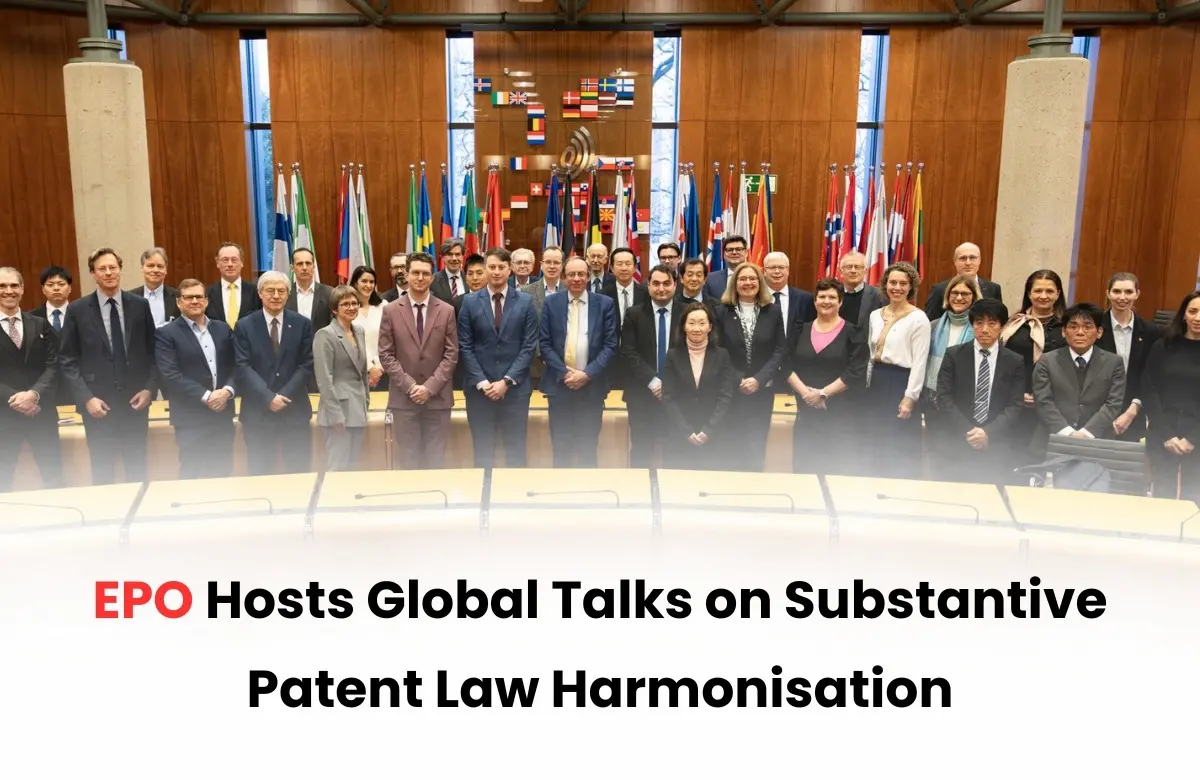
The landscape of global innovation is governed by a complex web of national and regional regulations. For inventors and businesses looking to scale their technologies across borders, navigating these differences can be a significant hurdle. Recently, a major milestone in addressing these challenges occurred as the European Patent Office hosted an influential EPO patent law harmonization meeting. This gathering brought together institutional leaders and global stakeholders to discuss the future of substantive patent law harmonization (SPLH).
The Necessity of Harmonization in a Global Market
At its core, the drive toward harmonization is about creating a predictable environment for creators. Currently, an applicant may find that the requirements for a successful patent filing vary significantly between jurisdictions. These discrepancies often lead to increased costs and legal uncertainty. When the rules regarding what constitutes a valid invention are inconsistent, the strength of IP protection is weakened on a global scale.
The recent meeting at the EPO served as a platform for the Group B+ to engage directly with industry users. The Group B+ is a collective of industrialized nations dedicated to promoting the alignment of patent systems. By involving representatives from major industry groups in Europe, Japan, and the United States, the EPO ensured that the legal discussions remained grounded in the practical needs of the business community.
Addressing the Core Legal Pillars
The discussions during the EPO patent law harmonization meeting focused on primary pillars of substantive law that have long been points of contention: grace periods, conflicting applications, and prior user rights.
The grace period is perhaps the most debated topic in international intellectual property law. It refers to a specific timeframe during which an inventor can disclose their work before a patent filing without destroying the novelty of the invention. While some countries allow for a liberal grace period, others maintain strict standards. Reconciling these views is crucial in preventing inventors from inadvertently forfeiting their rights when transitioning between different markets.
Another critical area involves conflicting applications. This occurs when two different parties file for similar inventions around the same time. Without harmonized rules, the outcome of who holds the rights can differ by country, leading to fragmented ownership and potential IP litigation. By establishing a common standard, patent offices can ensure that the first-to-file principle is applied consistently and fairly.
Reducing the Risk of IP Litigation
One of the most significant benefits of a harmonized system is the reduction of legal conflict. When patent laws are fragmented, companies are more likely to find themselves entangled in costly IP litigation. Variations in how prior user rights are recognized can lead to disputes where one company is legally allowed to use a technology in one country but is considered an infringer in another.
By streamlining these definitions, the global community can provide better IP protection for both patent holders and third parties. A clearer legal framework allows businesses to conduct freedom to operate searches with higher confidence, knowing that the rules in various major jurisdictions are moving toward a singular standard.
Read Also: Delhi High Court Judge Pratibha M Singh Calls for Reinvention of Intellectual Property in AI Era
A User-Driven Approach to Reform
A recurring theme of the EPO patent law harmonization meeting was the importance of the user voice. For harmonization to be successful, it cannot simply be a top-down mandate from government officials. It must reflect the realities of modern research and development.
Industry representatives emphasized that while they seek efficiency, they also value the high quality of examination that the EPO provides. The goal is not just to make the process faster, but to ensure that the resulting patents are robust enough to withstand challenges. Stronger patents at the outset naturally lead to a decrease in the frequency of Trademark and Patent litigation later in the product lifecycle.
The Path Forward for Global Innovation
The road to full substantive patent law harmonization is long and requires balancing the legal traditions of many different nations. However, the recent dialogue at the EPO demonstrates a renewed commitment to this cause. As digital transformation and green technologies continue to blur geographical borders, the need for a unified approach to IP protection has never been more urgent.
Through continued collaboration and transparent dialogue, the international community is working toward a future where a single patent filing strategy can offer reliable security across the globe. The efforts highlighted in this recent EPO patent law harmonization meeting represent a vital step toward a more efficient, accessible, and fair intellectual property system for everyone.