
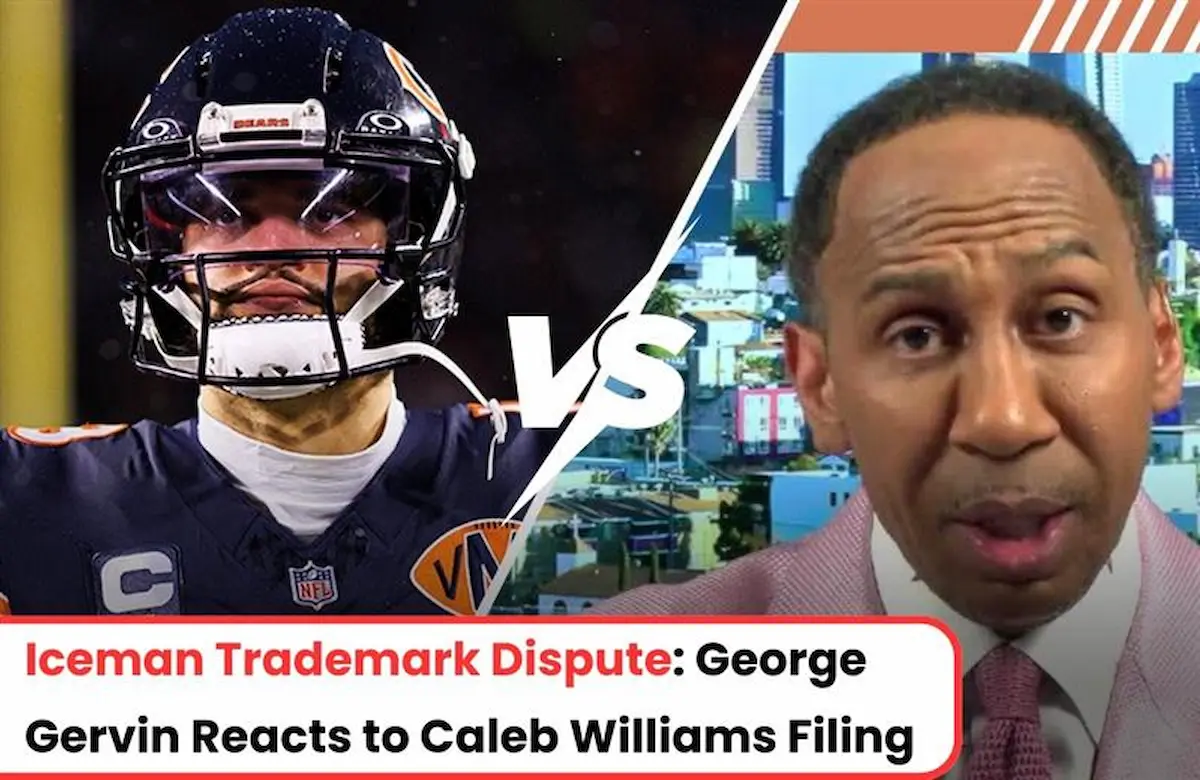
The intersection of professional sports and intellectual property law has recently taken center stage following a public dispute between NBA Hall of Famer George Gervin and Chicago Bears quarterback Caleb Williams. At the heart of this conflict is the legendary “Iceman” moniker, a name that has been synonymous with Gervin’s basketball legacy for decades. This Caleb Williams Trademark Dispute serves as a high-profile case study on the importance of proactive trademark registration and the complexities involved in maintaining long-term brand exclusivity. As Caleb Williams seeks to establish his own commercial identity in the NFL, the legal pushback from a sports icon highlights the friction that occurs when modern marketing goals collide with established common law rights.
Understanding the Legal Conflict Behind the Caleb Williams Trademark Dispute
When news broke that Caleb Williams had initiated a formal application for the “Iceman” mark, it immediately raised concerns regarding potential consumer confusion and the dilution of an existing brand. George Gervin, who earned the nickname during his prolific career in the 1970s and 1980s, expressed significant disappointment regarding the move. In the realm of intellectual property, a trademark registration is not merely a piece of paperwork; it is a defensive tool used to prevent others from capitalizing on a name that a person has spent a lifetime building. Gervin’s response emphasizes that while fans often give nicknames, they eventually transform into valuable commercial assets that require strict legal oversight to remain protected.
The Role of Prior Use in Modern Trademark Registration Disputes
In trademark law, the concept of “prior use” is a fundamental pillar that determines who has the rightful claim to a specific name or logo. George Gervin argues that his decades of professional and commercial use of the “Iceman” title grant him superior rights over a newcomer, regardless of the sport. Even though Caleb Williams plays football and Gervin played basketball, the legal argument centers on whether the public would mistakenly associate Williams’ merchandise or endorsements with the NBA legend. This is why IP protection strategies often involve monitoring new filings at the patent and trademark office to ensure that no one else attempts to register a mark that is “confusingly similar” to one already in commerce.
Why Caleb Williams Pursued the Iceman Trademark for His Brand
Caleb Williams trademark dispute is part of a new generation of athletes who view themselves as CEOs of their own personal corporations. By filing for the “Iceman” trademark, his legal team likely intended to secure a foundation for future business ventures, including apparel, camps, and digital media. However, the move has been viewed by many as an overreach into the historical territory of George Gervin. Seeking a trademark registration for a name already occupied by a Hall of Famer is a risky maneuver that can lead to expensive opposition proceedings. While Williams may have been given the nickname by his own coaches or teammates, the legal reality is that commercial rights are governed by federal statutes and established precedents rather than locker room banter.
Read Also: Federal Circuit Upholds Apple Watch Import Ban Over Masimo Patent Infringement
George Gervin and the Importance of Robust IP Protection Strategies
For George Gervin, the “Iceman” name is more than just a memory of his finger-roll layup; it is a business identity that he continues to use for various appearances and commercial partnerships. If an athlete fails to engage in consistent IP protection, they risk losing the exclusive right to their own name. Gervin’s vocal opposition to the Williams filing serves as a reminder to all public figures that they must remain vigilant against potential Trademark infringements. Protecting a legacy requires a proactive approach to legal defense, ensuring that any new entity attempting to use a similar mark is met with a formal challenge to preserve the integrity of the original brand.
How Trademark Law Distinguishes Between Different Fields of Use
One of the complexities of this specific case is whether “Iceman” can coexist in both the NFL and the NBA universes. Trademark law often allows similar names to exist if the goods and services are completely unrelated, such as “Delta” for an airline and “Delta” for a faucet. However, since both Gervin and Williams operate within the sphere of professional sports and athletic apparel, the lines become blurred. A successful trademark registration usually requires the applicant to prove that their use of the mark will not cause the public to believe the two parties are affiliated. Gervin’s team is likely to argue that the “Iceman” brand is so famous that any use in sports by another athlete constitutes an infringement on his established rights.
Read Also: Shen Changyu and WIPO’s Daren Tang Hold Bilateral Talks on Global IP Rules
Final Thoughts on the Future of the Caleb Williams Trademark Dispute
The George Gervin vs Caleb Williams Trademark Dispute is a clear illustration of why athletes must prioritize their legal portfolios as much as their physical training. As the legal proceedings move forward, the focus will remain on whether a new athlete can claim a historical moniker or if the veteran’s long-standing use will prevail. Effective Trademark and Patent protection remains the only way to ensure that a legacy built on the court or the field is not co-opted by the next generation of stars. This case will likely set a precedent for how the names of legendary figures are handled in an era where every young athlete is looking to secure their own commercial footprint through federal filings.