
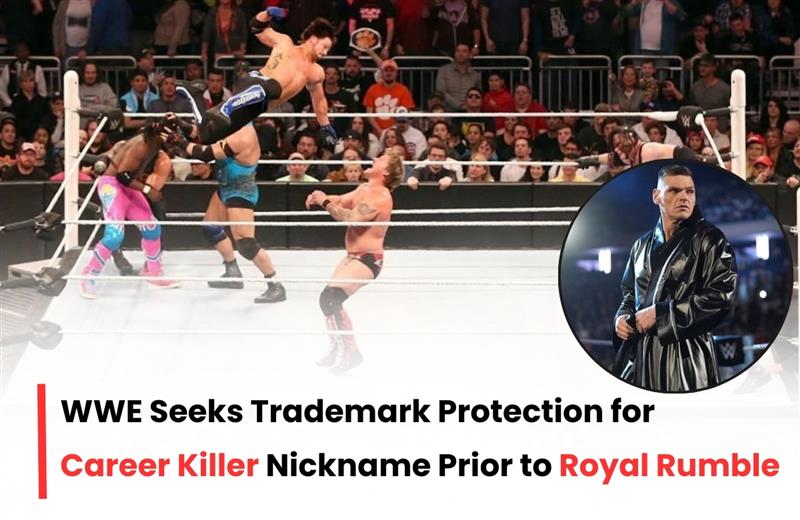
The landscape of professional wrestling is as much about the strategic management of intellectual property as it is about in-ring performance. Recently, World Wrestling Entertainment (WWE) initiated a formal trademark registration process with the United States Patent and Trademark Office (USPTO) for the term “Career Killer.” This filing, submitted on January 26, 2026, comes strategically ahead of the WWE Career Killer Trademark, a premier event on the WWE calendar. Creative developments within the promotion indicate that this moniker is specifically intended for the current World Heavyweight Champion, Gunther, following his high-profile victories over veterans such as Goldberg and John Cena. By securing this nickname, WWE aims to establish exclusive ownership over the brand identity, thereby mitigating the risk of trademark infringement by third-party entities and competitors.
The Technical Specifics of the USPTO Filing and Classification of Services
WWE submitted its application for the “Career Killer” mark under International Class 41. This specific classification encompasses entertainment services, including wrestling exhibitions and performances by professional wrestlers and entertainers. The legal intent behind this filing is to ensure that the nickname is protected across all media platforms, including television broadcasts, global streaming services, and live event activations.
In the world of intellectual property, a successful trademark registration acts as a form of public notice of ownership. For WWE, this precludes other wrestling promotions from using the “Career Killer” logo on their superstars in a way that would confuse consumers. Without these protections, the corporation would be subject to brand dilution, which occurs when the originality and commercial worth of a champion’s identity, specifically, Gunther’s dynamic persona, are diminished by unauthorized or unlicensed use in the marketplace.
Trademark Strategy Behind WWE’s Character “Gunther” Reinforcement
The timing of this application is a critical component of corporate strategy. As Gunther prepares for a significant title defense against AJ Styles at the WWE Career Killer Trademark, a match where Styles’ career is reportedly on the line, WWE ensures that the “Career Killer” branding is legally shielded. The Royal Rumble frequently serves as the primary platform for character rebrands or the reinforcement of a dominant heel persona. By trademark filing in the days preceding the event, WWE protects any future merchandise, promotional materials, or digital assets associated with Gunther’s role.
Effective IP management requires a proactive rather than reactive approach. By obtaining a federal registration, WWE gains the legal presumption of ownership nationwide through the WWE Royal Rumble trademark, which is a powerful tool in enforcement. This is a critical defensive measure; if a competing promotion were to use the name for a rival athlete, WWE could cite this filing in a formal cease-and-desist order or utilize it as the foundational evidence for IP litigation. In the absence of a registered mark, proving “common law” rights is often a more complex, evidentiary-heavy, and costly process in a court of law.
Identifying and Mitigating Risks Associated with Trademark Infringement and Historical Use
In the highly competitive sports entertainment industry, trademark infringement occurs when a party uses a mark that is “confoundingly similar” to a registered trademark, leading to the likelihood of confusion among the relevant consumer base. WWE’s legal department is recognized for the rigorous enforcement of its IP portfolio to maintain the integrity of its commercial marks.
The moniker “Career Killer” has wrestling origins, having been associated with personalities like Randy Orton and the infamous Killer Kowalski. However, trademark law allows for the registration of previously used names if they are associated with a specific commercial service or persona, for example, Gunther, under new, distinctive ownership. By formalizing this application, WWE creates a “bright line” for competitors, informing the industry that any improper commercial use of the word in relation to modern wrestling services will result in instant legal action.
When Character Branding Meets Trademark Opposition – Legal Challenges
While submitting an application for the WWE Career Killer Trademark is the first step, the possibility of IP litigation remains a constant in WWE’s overall business plan. Disputes sometimes emerge during the trademark process’s “opposition period”, a thirty-day period during which third parties may claim that the new mark infringes on their existing rights or prior use.
If a prior user of the WWE Career Killer Trademark moniker asserts that WWE’s registration devalues their established brand or creates a conflict, they may file an opposition with the Trademark Trial and Appeal Board (TTAB). WWE’s legal counsel must be prepared to demonstrate that their use of the mark for Gunther is distinct, has acquired secondary meaning through recent prominent storylines, and does not violate prior existing trademarks. History shows that WWE often utilizes its registration status to negotiate favorable settlements, including IP licensing agreements or the outright acquisition of rights, to avoid the prolonged expenses and discovery phases of federal court proceedings.
Conclusion
The filing for the WWE Career Killer Trademark is a calculated legal maneuver designed to fortify WWE’s intellectual property assets and support the character trajectory of Gunther. Through formal trademark registration, the company secures the exclusive right to monetize the nickname while creating a substantial legal barrier against trademark infringement. As the Royal Rumble approaches, this application ensures that the “Career Killer” persona remains a proprietary asset, protected by the full extent of intellectual property law. By maintaining a robust portfolio and preparing for potential IP litigation, WWE continues to dominate the commercial and legal landscape of professional wrestling.
Read Also: WIPO China Shanghai Service Administers Over 200 Foreign-Related Intellectual Property Cases