
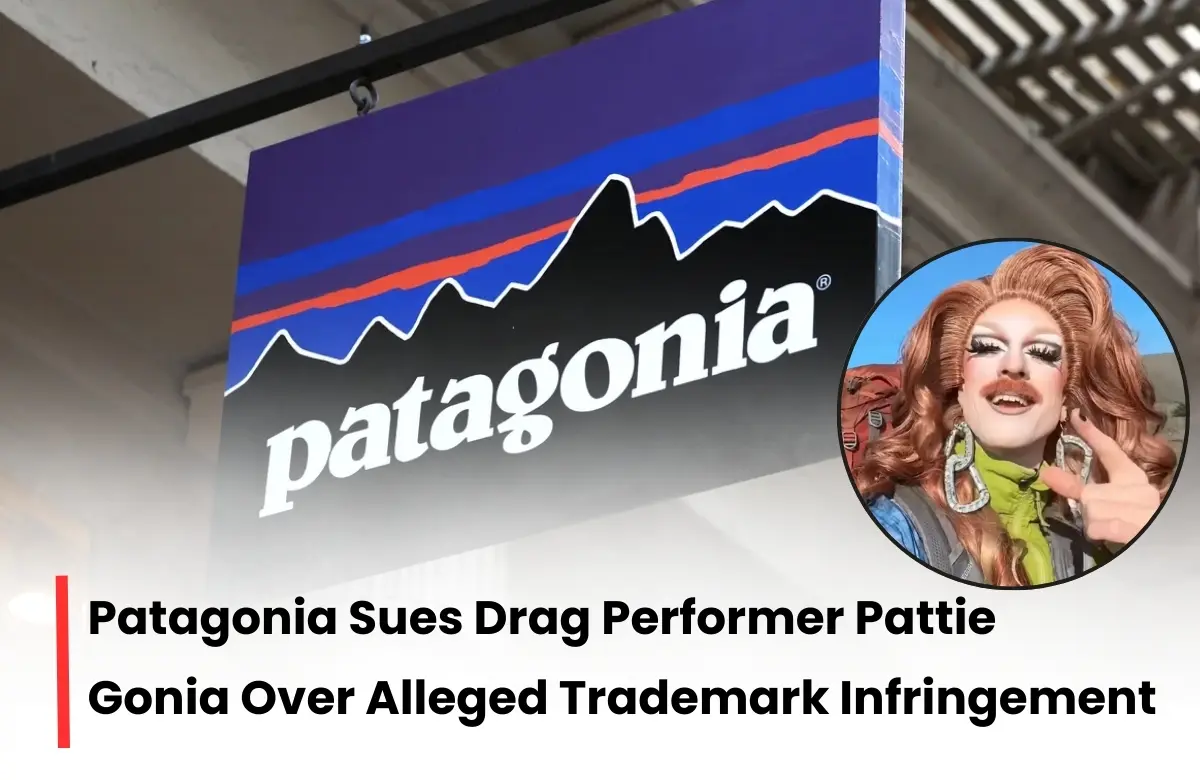
Commercial branding and creative expression have advanced to a significant ethical crossroads as Patagonia, Inc., a major outdoor clothing company, filed a trademark infringement lawsuit against Wyn Wiley, a well-known drag performer and environmental activist who goes by “Pattie Gonia.” The Patagonia vs Pattie Gonia Trademark Case, which was filed in January 2026 in a federal court in California, claims that the performer’s recent attempts at trademark registration and commercial activity directly violate established intellectual property rights.
This case highlights the challenges of IP litigation in an era where personal branding frequently mimics corporate identification, needing a careful analysis of the likelihood of confusion and dilution of senior marks.
The Origin of the Patagonia vs Pattie Gonia Trademark Case
The Patagonia vs Pattie Gonia Trademark Case originates from the phonetically similar nature of the performer’s stage name to the multi-billion-dollar brand. While Patagonia initially tolerated the use of the “Pattie Gonia” moniker for non-commercial activism and artistic performances, the legal landscape shifted when the usage transitioned into the retail sector. According to court filings, the parties had reached an informal understanding in February 2022 regarding the boundaries of the name’s usage.
However, Patagonia alleges that this arrangement was compromised in late 2024 when Wiley began marketing apparel and stickers through a dedicated e-commerce platform. The lawsuit contends that these products capitalize on the goodwill and reputation cultivated by the designer of gear for climbing, surfing, and other silent sports.
Specifically, the brand argues:
- The commercial sale of “Pattie Gonia” branded merchandise creates a direct market overlap with Patagonia’s core product lines.
- The use of the name in a retail environment leads consumers to believe there is an official sponsorship or affiliation.
- Social media evidence indicates actual confusion, with users questioning if the performer is a brand ambassador for the outdoor retailer.
Read More: Lupin and Astellas Settle Mirabegron Patent Dispute for $90 Million
Role of Trademark Registration in Patagonia vs Pattie Gonia Trademark Infringement case
A pivotal development in the escalation of this dispute was Wiley’s filing for formal Trademark Registration of the “Pattie Gonia” mark in September 2025. The application sought to secure exclusive rights for the name in connection with clothing, marketing services, and environmental advocacy. For Patagonia, this move represented a formal challenge to its market exclusivity.
In the realm of IP or Patent litigation, a registered trademark provides the owner with a legal presumption of ownership and the exclusive right to use the mark nationwide. By seeking to register a name that is a near-homophone of a world-renowned brand, Wiley triggered Patagonia’s statutory duty to defend its mark.
Legal Arguments: Likelihood of Confusion and Dilution
Patagonia’s complaint is based on the “likelihood of confusion” test. The corporation claims that because both parties compete in the same commercial space, specifically, outdoor gear and environmental activism, the possibility of consumer deception is considerable.
The main legal foundations of the complaint are:
- Visual and Auditory Similarity: The filing includes evidence of merchandise and branding that Patagonia describes as nearly identical to its own word mark.
- Genuine Consumer Confusion: The complaint cites social media interactions where consumers expressed uncertainty regarding whether “Pattie Gonia” was an official affiliate or brand ambassador for Patagonia.
- Risk of Irreparable Harm: The lawsuit contends that the continued use of the mark diminishes the unique identity of the brand, a harm that cannot be remedied by financial compensation alone.
The Patagonia vs Pattie Gonia Trademark case seeks a permanent injunction to bar the performer from further use of the mark and related designs. Notably, the company is seeking only nominal monetary damages in the amount of $1, indicating that the primary objective of this IP litigation is the protection of brand integrity.
Defenses and the “Fair Use” Counter-Argument
In response, the performer’s position highlights the persona as a transformative identity inspired by the South American region and performance art. The defense typically argues that such usage is protected by the First Amendment.
However, under the principles of Trademark Infringement law:
- When a mark acts as a source identifier for commercial goods such as clothing, parody protections are frequently legally limited.
- The defendant must show that the usage does not cause the relevant purchasing public to believe there is a corporate association.
- The court has to determine if the commercial usage of the name exceeds the limitations of creative expression.
Read Also: The End of Anonymous Fraud? India’s Bold Move Against Domain Name Frauds and Misuse
Conclusion
The outcome of this Patagonia vs Pattie Gonia Trademark case is expected to set an important precedent for how stage names and parodic brands are treated when they enter the commercial market. As businesses and creators navigate the digital marketplace, robust trademark registration and a thorough understanding of IP disputes remain critical. This case serves as a reminder that even well-meaning advocacy cannot exempt an organization from the statutory duties of intellectual property law.