
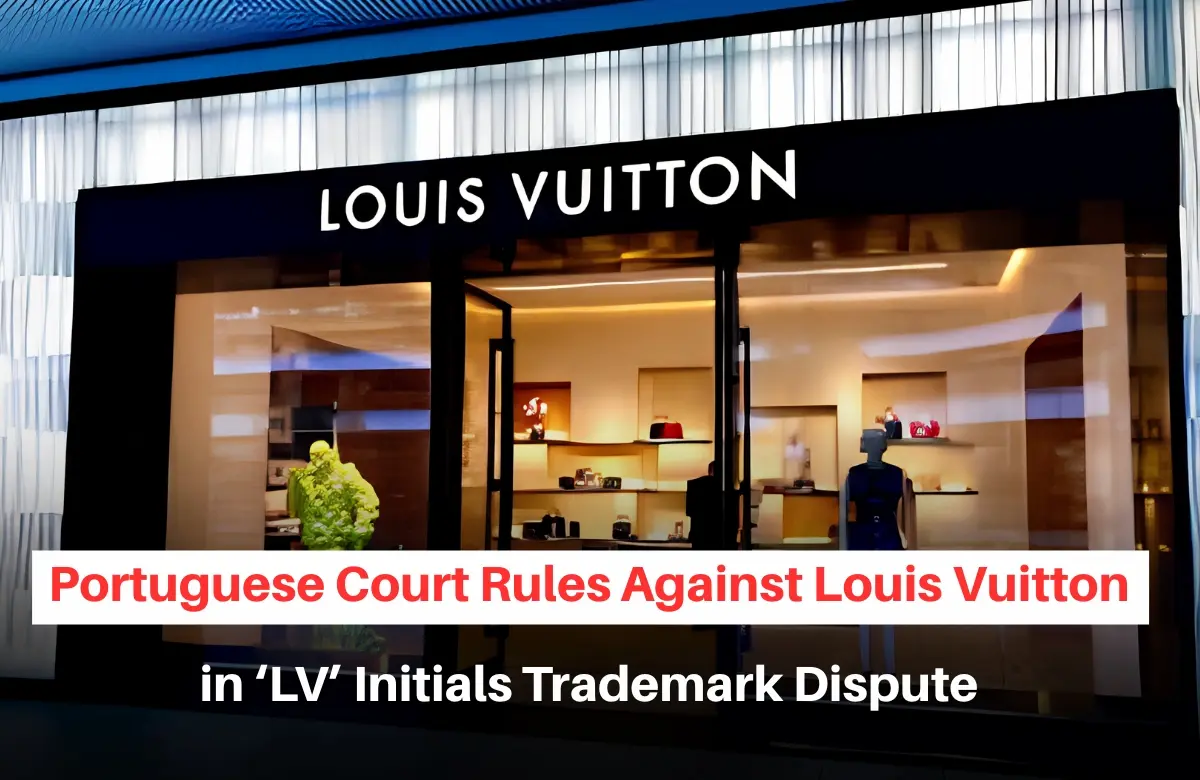
When luxury fashion meets local tradition, legal sparks usually fly. Recently, the Portuguese courts stepped in to settle a high-stakes disagreement between a global giant and a regional producer. The Licores do Vale vs Louis Vuitton Trademark Case offers a clear look at how judges weigh market reality against brand prestige. It’s a decision that clarifies how IP Protection works when a famous monogram clashes with a small-town brand.
Understanding the Legal Background of the Licores do Vale vs Louis Vuitton Trademark Case
The conflict started when Louis Vuitton Malletier targeted the trademark of Licores do Vale, a Portuguese company making artisanal spirits. The local brand uses “LV” as a natural abbreviation of its name. Louis Vuitton didn’t see it that way. They argued the use of those two letters infringed on their world-famous monogram.
During the IP Litigation, the fashion house leaned heavily on the “reputation” of its mark. Under established law, famous marks usually get wider protection, even outside their primary industry. But the court had to ask a practical question: would a person buying a bottle of liqueur actually think they were buying a fashion accessory? The Licores do Vale vs Louis Vuitton Trademark Case ultimately turned on that specific point of consumer logic.
Evaluating Consumer Confusion Within the LV Trademark Dispute in Portugal
Winning a trademark case usually requires proving a “likelihood of confusion.” In the LV Trademark Dispute in Portugal, the court looked at the visual and phonetic setup of both brands. They found a massive gap in how these marks are actually used. One sells handbags; the other sells traditional drinks.
The court ruled that the “average consumer” isn’t easily fooled. People can tell the difference between luxury leather and a regional spirit. By ruling this way in the LV Trademark Dispute in Portugal, the judges checked the power of large corporations. It prevents them from owning every possible use of common letters, especially in sectors where they don’t even compete. This is a win for IP Protection because it keeps the law grounded in reality.
The Role of IP Protection in Balancing Corporate and Local Interests
This case is a perfect example of the “principle of specialty.” Essentially, trademark rights aren’t a total monopoly on a word or symbol. They’re usually tied to specific goods. In the Licores do Vale vs Louis Vuitton Trademark Case, the court held that a drink company using “LV” doesn’t automatically hurt a fashion brand’s status.
It’s a balancing act. While Louis Vuitton must protect its equity, local businesses also need the right to use their own names. Because the court prioritized this balance, local entrepreneurs have a bit more breathing room. It shows that Trademark and Patent Protection exists to stop actual deception, not to shut down legitimate businesses in unrelated fields.
Analyzing the Final Judgment and its Impact on IP Litigation Trends
The decision to rule against the fashion giant is a notable shift in IP Litigation. It proves that having a famous name isn’t a “get out of court free” card. The court’s refusal to stop Licores do Vale from using their initials shows a very pragmatic streak in Portuguese law.
And what does this mean for the future? Experts watching the LV Trademark Dispute in Portugal believe it sets a high bar for “famous” brands. From now on, they’ll need to prove a real risk of confusion or damage, not just point to their popularity. For the Portuguese brand, it means they can finally operate without the weight of a massive lawsuit over their heads.
Read Also: Tesla Files New Roadster Trademark: Unique badge ahead of launch in 2026
Conclusion on the Licores do Vale vs Louis Vuitton Trademark Case
The Licores do Vale vs Louis Vuitton Trademark Case reminds us that the law cares about the “real world” experience of the buyer. Louis Vuitton is still a powerhouse, but the court decided that two letters can exist in two different markets at the same time. We’ll likely see this cited in future LV Trademark Dispute in Portugal arguments. At the end of the day, it’s a victory for common sense in IP Protection.